

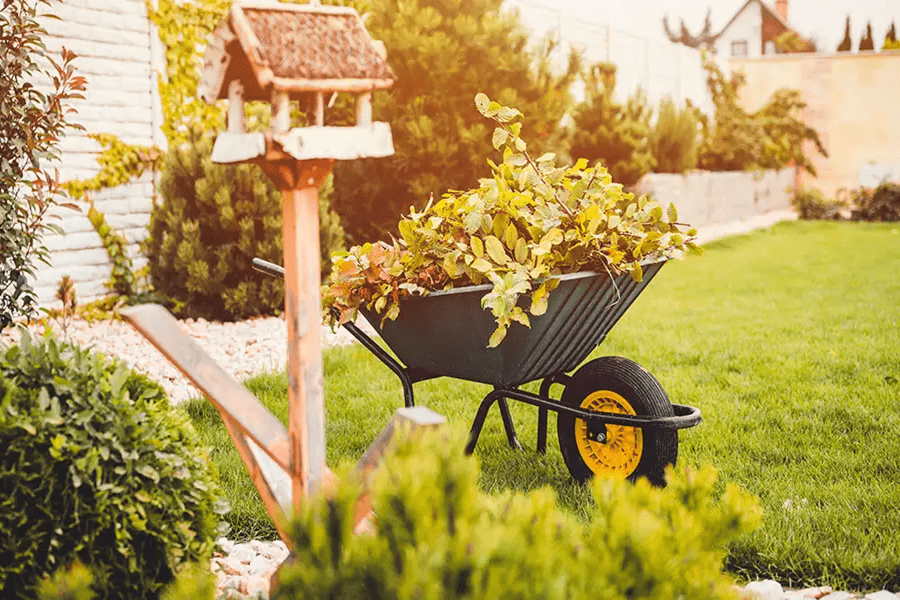
Why Fall Yard Cleanup Is Important for Your Lawn
Fall yard cleanup is more than just an aesthetic activity—it plays a crucial role in ensuring the health and longevity of your lawn and garden. As temperatures drop and plants transition to dormancy, preparing your outdoor spaces now can help prevent issues like pest infestations, diseases, and soil degradation. Below, we explore why taking the time to clean up your yard in the fall is essential.
Promotes Healthy Grass Growth
One of the primary reasons for a fall cleanup is to support healthy grass growth in the spring. By removing layers of leaves and debris, you prevent suffocation of your lawn. A thick layer of organic matter blocks sunlight and traps moisture, creating conditions favorable for mold growth or lawn diseases such as snow mold. Fall cleanup ensures that grass gets adequate air circulation and sunlight during its dormant phase.
Reduces Pest Problems
Fallen leaves, rotting vegetation, or piles of wood can create ideal shelters for pests like rodents and insects looking for warmth during colder months. Cleaning up debris eliminates these hiding spots, reducing their ability to overwinter in your yard. This proactive step can prevent pest infestations that could harm plants or invade structures once spring arrives.
Prevents Plant Diseases
Leaves left on the ground often harbor fungal spores or bacteria that can spread disease to nearby plants. For instance: – Wet leaves trapped against your lawn may lead to fungal infections. – Debris around shrubs could harbor pathogens harmful to ornamental plants. Clearing out these potential sources of disease will help protect both existing plantings and any new additions you plan for next year.
Improves Soil Health
A thorough cleanup sets the stage for improved soil quality come spring. When debris is left unchecked over winter, it can compact under snow cover, making it harder for water and nutrients to penetrate the ground later on. Removing organic buildup allows you to better prepare soil with aeration or new mulch layers that promote healthy root systems.
Enhances Curb Appeal
A clean yard at the end of fall makes a great impression throughout winter months when trees are bare and lawns sparse. Raking leaves, trimming branches, and removing leftover summer plantings contribute to an organized appearance while also signaling care for your outdoor spaces—a factor especially important if you’re considering selling your home.
Encourages A Sustainable Approach
Fall cleanup doesn’t have to result in waste removal alone; instead: – Compost fallen leaves or grass clippings as nutrient-rich material. – Repurpose some natural elements (like pinecones) into seasonal decor. By incorporating sustainable practices into this process, you not only protect your lawn but also reduce overall environmental impact.
By understanding why fall yard cleanup matters, homeowners can prioritize seasonal tasks that benefit lawns throughout winter while setting up their gardens for success in the spring growing season ahead.
Start by Removing Fallen Leaves and Debris
One of the most critical steps in fall yard cleanup is removing fallen leaves and debris. While colorful autumn leaves can create a picturesque scene, leaving them on your lawn for too long can lead to a host of problems. Decaying leaves form a dense mat that blocks sunlight, retains moisture, and creates an ideal environment for mold, pests, and diseases to thrive. Addressing this early ensures your lawn remains healthy as it heads into winter.
Why Remove Leaves?
- Prevents Mold and Disease: Wet, decaying leaves can foster fungal growth, potentially harming your grass or nearby plants.
- Allows Lawns to Breathe: A layer of leaves can cut off access to sunlight and air circulation, which are vital for grass health.
- Minimizes Pest Habitats: Piles of damp leaves are attractive hiding spots for insects and rodents.
Tools You May Need
| Tool | Purpose |
| Rake | Ideal for manual leaf gathering |
| Leaf Blower | Speeds up clearing large areas |
| Mulching Lawn Mower | Shreds leaves into fine pieces for composting |
| Garden Tarp | Makes transporting debris easier |
Evaluate the size of your yard to determine which tools will work best. Many homeowners find that combining methods (e.g., using a blower followed by a rake) provides the most efficient results.
Leaf Management Options
- Compost Them
Shredded leaves break down faster and add valuable nutrients when mixed into compost piles. They’re rich in carbon and serve as an excellent balance to nitrogen-heavy materials like food scraps. - Use as Mulch
Spread finely shredded leaves around garden beds as an insulating mulch. This protects plant roots from extreme temperature fluctuations during winter while improving soil structure. - Curbside Pickup or Disposal Services
Many municipalities offer curbside leaf collection programs during fall. Be sure to check local guidelines regarding collection dates or specific bagging requirements.
Removing Other Debris
- Pick up larger branches manually or use pruning shears if they’re still attached to trees.
- Regularly inspect gutters since falling debris often clogs drainage systems.
- Remove any leftover annual plants from garden beds so they don’t attract pests over winter.
By starting with a clean slate through thorough removal of fallen leaves and debris, you’re setting the foundation for healthier turfgrass growth next spring while maintaining curb appeal throughout the autumn months.
Prune Trees and Shrubs Before Winter
Proper pruning of trees and shrubs is an essential step in fall yard cleanup, as it prepares your landscape for the colder months ahead. This process not only ensures the health and longevity of your plants but also reduces potential hazards during winter storms.
Why Pruning is Essential in Fall
- Promotes Healthy Growth: Removing dead or damaged branches allows trees and shrubs to direct their energy toward healthy growth during their dormant phase.
- Reduces Risks: Weak or diseased branches can break under the weight of snow or ice, potentially damaging property or nearby plants.
- Enhances Shape and Structure: Pruning helps maintain a pleasing aesthetic while preventing overgrowth that could encroach on walkways or structures.
Timing Is Key
The fall season is an ideal time for pruning most deciduous trees and shrubs, as they have entered dormancy. However, timing depends on the type of plant: – Deciduous Trees: Best pruned after leaves have fallen; this makes it easier to identify damaged or diseased branches. – Shrubs That Bloom in Spring: Wait until after they flower in early spring to avoid cutting off next season’s buds. – Evergreens: Lightly shape evergreens if necessary but avoid heavy pruning late in fall, which could leave them vulnerable to winter stress.
Tools You’ll Need
Having appropriate tools ensures efficient and safe pruning: | Tool | Purpose | |——————|——————————————| | Hand Pruners | For small branches (less than 1 inch thick) | | Loppers | For medium-sized branches (up to 2 inches thick) | | Pruning Saw | For larger limbs | | Pole Saw | For hard-to-reach areas |
Make sure all tools are sharpened before use to ensure clean cuts that promote quicker healing.
How to Properly Prune
Follow these steps for effective pruning: 1. Inspect Each Plant: Identify dead, diseased, or damaged branches. Look for signs like discolored bark, fungus growth, or broken limbs. 2. Start with Deadwood: Remove any deadwood first as it poses no benefit to the plant’s health. 3. Focus on Crossed Branches: Eliminate crossing or rubbing branches that can cause wounds leading to disease. 4. Cut Correctly: – Make cuts at a 45-degree angle just above a bud that faces outward from the plant’s center. – Avoid leaving stubs; this inhibits proper healing and invites pests or disease. 5. Shape Strategically: Trim overgrown sections lightly to maintain the natural form of the plant without excessive thinning.
Safety Tips During Pruning
- Wear protective gloves and goggles when working with sharp tools.
- Use a ladder safely if working at heights — ensure it’s stable on even ground.
- Avoid working near power lines; contact professionals if needed for tall trees near utility lines.
Dispose of Trimmings Responsibly
After pruning, you may be left with piles of branches and clippings. Consider eco-friendly disposal options: – Shred trimmings into mulch for use around garden beds. – Compost smaller clippings along with other yard waste for enriched soil next spring. – Check whether your local municipality offers yard waste collection services.
By dedicating time to prune your trees and shrubs properly before winter arrives, you’ll set your yard up for success when the growing season returns in spring — healthier plants, fewer hazards, and an overall polished landscape ready for seasonal changes.
Clean and Store Outdoor Furniture and Equipment
As fall progresses and colder temperatures approach, it’s essential to clean and properly store your outdoor furniture and equipment. Doing so not only extends the lifespan of your items but also ensures they are ready for use when warmer weather returns. Here’s a step-by-step guide to help you effectively manage this task.
Benefits of Cleaning and Storing Outdoor Items
- Prevents damage caused by winter elements such as snow, ice, or excessive moisture.
- Reduces the risk of rust, mold, or mildew developing on surfaces.
- Saves time during spring by keeping everything clean and ready to use.
- Protects your investment by maintaining the appearance and functionality of furniture and tools.
Cleaning Outdoor Furniture
Wooden Furniture:
– Use a soft cloth with a mild detergent solution to wipe down surfaces.
– Let wood furniture dry completely before storing to avoid warping or mold growth.
Metal Furniture:
– Remove loose dirt using a soft brush or cloth.
– Check for rust spots; sand them gently and apply touch-up paint if necessary. – Wash with soapy water, rinse thoroughly, then dry completely.
Plastic or Resin Furniture:
– Wipe down using warm water mixed with dish soap. For stubborn stains, opt for a mix of baking soda and water.
– Rinse thoroughly with a garden hose before allowing it to air-dry.
Storing Outdoor Equipment
- Use Protective Covers: Invest in high-quality weather-resistant covers designed for your specific type of furniture (e.g., grill covers, patio set covers). Ensure they are snug-fitting to reduce exposure to moisture or pests.
- Choose Proper Storage Locations: Whenever possible, place items in indoor spaces like sheds, garages, basements, or storage units for optimal protection against weather extremes.
- Elevate Items Off The Ground: If keeping items outdoors is unavoidable due to space limitations, elevate them slightly off the ground with pallets or bricks to prevent water pooling around the base.
Preparing Lawn Equipment for Winter Storage
- Clean Tools Thoroughly: Remove caked-on soil using a wire brush; rinse metal parts with water if needed; dry tools completely after cleaning.
- Sharpen Blades & Oil Moving Parts: For motorized equipment like lawnmowers or hedge trimmers—sharpen blades before storing them away.
- Drain Fuel Tanks (or Add Stabilizer): Gasoline left stagnant can degrade over winter months causing gum buildup within engines which reduces performance later when restarting gear come springtime. 4 .Store Safely Away By Cordons Keeping Kids Away .
Protect Plants and Garden Beds for Colder Weather
Preparing your plants and garden beds for the colder months is an essential part of fall yard cleanup. Taking a proactive approach not only ensures that your garden will survive the winter but also sets the stage for a thriving spring. Below are key steps to protect your plants and maintain healthy garden beds.
Mulch for Insulation
Adding a layer of mulch to your garden beds is one of the best ways to insulate plant roots from freezing temperatures:
– Type of Mulch: Use organic mulches like shredded leaves, straw, or wood chips, as these also break down over time to enrich the soil.
– Application: Spread 2–3 inches of mulch around the base of plants, ensuring it doesn’t directly touch plant stems or tree trunks to avoid rot.
Cover Vulnerable Plants
Not all plants are equally hardy; some may need additional protection from frost and snow.
– Frost Cloths or Sheets: Use breathable materials like frost cloths, burlap, or old sheets to cover sensitive plants on particularly cold nights. Avoid using plastic directly on foliage as it can trap moisture and cause damage.
– Cloche Domes: For smaller, delicate plants, consider cloche domes—small covers that act like mini greenhouses.
Trim Perennials and Remove Annuals
Cleaning up old growth can help reduce pests and diseases while keeping your garden tidy before winter sets in. – Cut Back Perennials: Trim spent perennials down to about 6 inches above ground level. Be cautious with varieties that produce seed heads as they can provide food for birds during winter months. – Remove Annuals: Pull out withering annual flowers and vegetables after their growing season ends to prevent decay that may harbor pests.
Protect Shrubs and Small Trees from Heavy Snow
Snow can weigh heavily on shrubs and trees, potentially leading to broken branches. – Use Shrub Wraps or Burlap Barriers: Encircle vulnerable shrubs with burlap barriers tied loosely with twine. – Support Branches: For small trees or shrubs with fragile branches, consider tying supports underneath heavier limbs.
Amend Soil in Garden Beds
Fall is an excellent time to prepare soil by adding nutrients so it will be ready for spring planting. – Compost Addition: Spread a thin layer (1–2 inches) of compost over garden beds after clearing debris; this nourishes soil microorganisms throughout winter. – Soil Testing Kits: Test your soil’s pH levels and adjust them if necessary by adding lime (to raise pH) or sulfur (to lower pH).
| Task | Tools Needed | Timing |
| Mulching | Shovel, mulch material | Late fall |
| Covering plants | Frost cloths/burlap | Early frosts |
| Cutting back perennials | Pruners | Mid-to-late fall |
| Soil amending | Compost, rake | After cleanup |
By following these measures tailored to specific plant needs, you’ll keep your yard healthy through harsh conditions while reducing the workload when spring arrives.
Protect Plants and Garden Beds for Colder Weather
As temperatures begin to drop, it’s vital to shield your plants and garden beds from the harsh conditions of fall and winter. Proper preparation not only helps your plants survive but also ensures a thriving garden when spring arrives. Below are practical steps to safeguard your greenery.
1. Apply Mulch for Insulation
Mulching acts as a protective barrier between the soil and fluctuating temperatures. Here’s how mulching benefits your garden: – Insulates Soil: Mulch helps retain soil warmth, which protects plant roots from freezing. – Moisture Retention: It prevents evaporation by trapping moisture in the soil. – Weed Control: A thick layer reduces weed growth, preventing them from competing with plants for nutrients.
Use organic mulches like shredded bark, straw (not bamboo straw), or pine needles for best results. Apply a 2–4 inch layer around the base of perennials, shrubs, and trees, avoiding direct contact with stems or trunks.
2. Cover Vulnerable Plants
Some plants are more sensitive to frost than others. For tender perennials or late-season vegetables: – Use frost cloths, burlap, or old bedsheets to provide an extra layer of protection on cold nights. – Consider investing in cloches or low tunnels for vegetable gardens. – Group container plants together in a sheltered spot; wrapping pots with bubble wrap can further insulate roots.
3. Trim Dead Growth
Remove any dead foliage from perennials and annuals before winter sets in: – Why? Dead plant material can harbor pests and diseases that might carry over into spring. – Use clean pruning shears to cut back dead stems while leaving healthy growth intact.
For flowering plants like roses, wait until late winter or early spring for heavy pruning but remove any damaged branches immediately.
4. Divide and Replant Perennials
Fall is an excellent time to divide hardy perennials such as daylilies or hostas: – Dig up established clumps carefully using a spade. – Gently separate the root sections with your hands or a sharp knife. – Replant divisions in well-prepared soil enriched with compost.
This not only revitalizes older plants but also enhances garden aesthetics by filling bare spots.
5. Protect Roots with Burlap Wraps
For sensitive shrubs and young trees at risk of frost damage: – Wrap their bases with burlap or tree guards to protect against temperature fluctuations. – This also deters animals such as deer or rabbits from nibbling on bark during winter months.
| Task | Recommended Material | Timing |
| Mulching | Shredded bark/pine needles | Early-to-mid fall |
| Covering tender plants | Frost cloth/burlap | Before first frost |
| Trimming dead growth | Pruning shears | Post-frost cleanup |
| Dividing perennials | Spade/compost | Late fall |
6. Water Deeply Before Ground Freezes
Hydration is crucial for plant survival during colder weather: – Water deeply during mild autumn days to ensure roots have enough moisture before the ground freezes solid.
Deep watering is particularly important for evergreen shrubs since they lose moisture through their leaves year-round.
By following these steps, you’ll give your garden beds and plants the best chance of enduring the challenges posed by colder weather while promoting vitality when growing season returns.
Create a Fall Yard Maintenance Plan for the Season
A well-thought-out fall yard maintenance plan can save you time, effort, and resources, ensuring your outdoor space is ready to thrive in the spring. By organizing tasks and setting priorities, you can efficiently manage seasonal responsibilities without feeling overwhelmed. Here’s how to create an effective yard maintenance plan for fall.
Assess Your Yard’s Needs
Before diving into a to-do list, take some time to evaluate your yard’s condition and needs: – Identify Problem Areas: Check for bare patches in the lawn, overgrown shrubs, or areas with excessive leaf accumulation.
– Take Inventory: Make a note of tools and supplies you already have on hand (e.g., rakes, pruning shears, fertilizers) and create a shopping list for anything missing. – Consider Local Conditions: Research your area’s climate during fall and early winter to understand what steps are most appropriate for your specific region.
Break Tasks into Categories
Once you’ve assessed your yard’s needs, organize tasks into manageable categories:
1. Lawn Care: – Mow grass slightly shorter than usual to protect it from fungal diseases during damp weather. – Aerate compacted soil to improve water drainage and nutrient absorption. – Apply fall-specific fertilizer rich in potassium for root development.
- Remove dead or dying plants from flower beds.
- Mulch garden beds with organic material like shredded leaves or wood chips.
- Protect perennials by trimming back stems and covering them with burlap or straw.
- Prune dead or damaged branches from shrubs and trees before strong winter winds can cause harm.
- Apply mulch around the base of trees to help insulate roots against frost.
- Clean patio furniture thoroughly before storing it in a dry location.
- Drain hoses and turn off outdoor water sources to prevent freezing damage.
Develop a Schedule
Set deadlines for each category of tasks based on the local weather forecast. For example:
| Week | Tasks | |——|——————————————————————-| | 1 | Rake leaves; remove debris; mow lawn | | 2 | Aerate soil; fertilize lawn | | 3 | Prune trees/shrubs; apply mulch around plants | | 4 | Clean/stow patio furniture; drain water hoses |
Having scheduled milestones allows you to spread out work rather than rushing through everything at once.
Incorporate Sustainable Practices
As part of your plan, consider eco-friendly approaches: – Compost leaf litter instead of bagging it up as waste. – Use natural mulches from fallen leaves or grass clippings rather than synthetic materials. – Avoid overusing chemical fertilizers that may harm surrounding wildlife.
Stay Flexible but Consistent
Weather conditions can sometimes disrupt plans, especially if unexpected rain or early frost occurs. Be prepared to adjust timelines as needed while staying committed to completing essential tasks before winter sets in fully.
A structured maintenance plan ensures every part of your yard gets attention during this critical transition season—laying the groundwork for vibrant growth when spring arrives again!