

The Physical Strain and Injury Risks
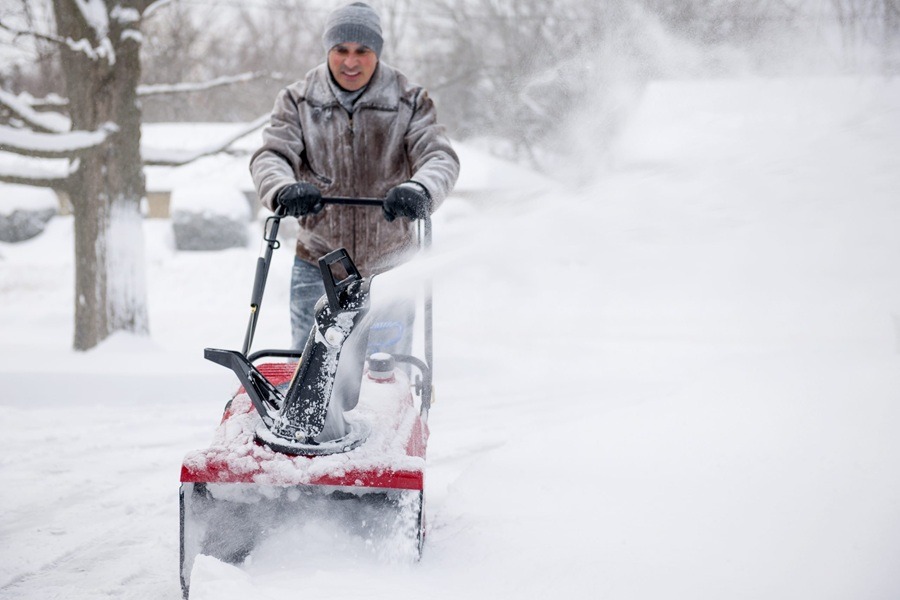
While DIY snow removal may seem like a straightforward way to save money, it often comes with significant physical demands. Shoveling heavy, wet snow or operating a snowblower can lead to severe strain on the body and even result in injuries. Understanding these risks is crucial for anyone considering a do-it-yourself approach.
Common Physical Strains
- Lower Back: Bending forward to shovel snow can put immense pressure on the lumbar spine, potentially causing strains or more serious injuries like herniated discs.
- Shoulders and Arms: Lifting heavy shovelfuls of snow repeatedly places strain on shoulder joints, forearms, and biceps.
- Knees: Kneeling or awkward bending while clearing icy patches may lead to knee discomfort or injury over time.
- Heart Strain: Snow shoveling is considered a high-intensity activity. People who are not accustomed to regular cardio exercise are at risk of heart attacks during prolonged exertion in cold weather.
Who Is Most at Risk?
- Older adults (ages 50+), as they may have less muscle mass or joint flexibility.
- Individuals with pre-existing conditions like arthritis, cardiovascular issues, or respiratory problems.
- Those who are not physically active throughout the year but attempt strenuous tasks like shoveling during winter.
Types of Injuries Often Reported
- Muscle strains and sprains due to improper lifting techniques.
- Slips and falls caused by icy surfaces underfoot while working.
- Severe lacerations from mishandling sharp tools or malfunctions in equipment like snowblowers.
- Sudden chest pain or exhaustion from overexertion in freezing temperatures.
Preventing Injuries While Removing Snow
- Warm Up First: Stretch your muscles beforehand with light exercises targeting your back, shoulders, and legs.
- Use Proper Posture: Keep your back straight while bending at the knees when lifting snow-filled shovels.
- Take Frequent Breaks: Avoid extended periods of heavy labor; rest every 15–20 minutes.
- Invest in Ergonomic Tools: Modernized shovels with curved handles ease strain by requiring less bending and twisting motions during use.
| Recommended Equipment | Benefits |
| Ergonomic Snow Shovel | Reduces balance issues; minimizes bending |
| Salt Spreader | Decreases manual effort for deicing walkways |
| Non-Slip Boots | Protects against slips caused by icy terrain |
Finally, if weather conditions become extreme or you experience signs of fatigue (e.g., shortness of breath), prioritize personal safety over completing the job quickly. Hiring professional services is often worth avoiding serious health consequences if physical labor feels overwhelming.
While tackling snowy driveways and walkways by yourself can be tempting from a cost-saving perspective, understanding—and mitigating—the physical risks involved should always come first.
Equipment and Maintenance Costs
While the idea of clearing snow on your own may seem cost-effective initially, the financial implications of purchasing, maintaining, and replacing equipment can accumulate significantly over time. Many individuals underestimate the hidden costs associated with owning the tools necessary for effective snow removal.
Upfront Costs of Equipment
Investing in proper snow removal equipment requires a considerable upfront expense. Depending on the size of your property and local snowfall patterns, you may need one or more of the following:
– Shovels: While basic shovels might cost $20–$50, ergonomic or heavy-duty options often exceed $100.
– Snowblowers: Prices for snowblowers vary widely depending on their capabilities, ranging from $300 for smaller models to over $2,000 for high-powered machines suitable for larger areas.
– Ice Melt Products: Bags of salt or eco-friendly ice melt can range from $10 to $30 each but need frequent replenishment during heavy snowfall seasons.
Ongoing Maintenance Costs
Proper maintenance is essential to ensure your equipment remains safe and functional throughout winter. These recurring expenses can add up quickly:
– Repairs: Over time, snowblowers may require repairs such as belt replacements or engine servicing, which could cost hundreds of dollars annually.
– Fuel Costs: Gas-powered snowblowers require gasoline, which increases expenses during periods of frequent use. Electric models also increase electricity bills.
– Accessory Replacements: Items like shovel blades or scraper bars wear down with repeated use and need replacement every few seasons.
Storage Challenges and Costs
Snow-removal tools take up significant space during off-seasons. If you lack storage at home—such as a garage or shed—you might face extra costs to rent external storage space. Properly storing equipment in climate-controlled environments also prevents rust and damage but adds another layer to long-term upkeep responsibilities.
Hidden Investment in Safety Gear
DIY snow removal poses physical risks; therefore, safety gear is non-negotiable. This includes insulated gloves ($20–$50), slip-resistant boots ($50–$150), and back braces ($30–$60) designed to prevent injuries while shoveling heavy snow.
| Expense Type | Estimated Cost Range | Frequency |
| Shovel (Standard/Ergonomic) | $20–$100+ | Initial purchase |
| Snowblower | $300–$2,000+ | Initial purchase |
| Repairs/Maintenance | $50–$200+ annually | Recurring |
| Ice Melt Products | $10–$30 per bag | Seasonal |
| Safety Gear | $100+ | One-time/replace |
Alternatives Worth Considering
While purchasing new equipment might seem like an obvious solution, there are alternatives worth exploring: – Renting a snowblower for particularly heavy storms instead of buying one outright. – Collaborating with neighbors to share resources like blowers or plows. – Hiring professionals who already own specialized tools capable of providing thorough results without requiring your investment in expensive gear.
Evaluating these alternatives against ongoing equipment-related expenses may reveal that outsourcing snow removal is not only convenient but also financially prudent in certain cases.
The Physical Strain and Injury Risks
Removing snow from driveways, sidewalks, and walkways may seem like a straightforward task, but it can present significant physical challenges. Many homeowners underestimate the toll that this activity can take on their bodies, especially during particularly harsh winters or after heavy snowfall. Understanding the potential risks is essential in assessing whether DIY snow removal is the right option for you.
Common Physical Strains
- Back Strain: Improper bending or lifting techniques while shoveling heavy snow frequently result in lower back pain or more severe injuries like herniated discs.
- Shoulder Injuries: Pushing large amounts of snow with a shovel can strain shoulder muscles and ligaments.
- Knee Stress: Repeated squatting or twisting motions during snow removal can place pressure on knee joints.
These injuries are especially common if individuals do not use ergonomically designed equipment or fail to warm up their muscles before starting the task.
Risk of Serious Health Events
- Heart Attacks: Studies have shown a correlation between snow shoveling and cardiac events, particularly in those with underlying heart conditions or sedentary lifestyles.
- Exhaustion: Overexertion during long periods of snow removal work can lead to fatigue, dizziness, or dehydration.
Slippery Conditions Heighten Injury Risks
- Falling while trying to push heavy equipment over uneven ground.
- Slipping on black ice hidden beneath freshly fallen snow.
- Twisting an ankle when navigating tricky spots like steps or sloped areas.
Reducing These Risks
- Invest in an ergonomic shovel with a curved handle to reduce back stress.
- Consider lightweight tools for easier handling.
- Use salt spreaders or ice-melting products before starting to reduce slip hazards.
- Bend your knees rather than your back when lifting heavy piles of snow.
- Push rather than lift whenever possible to avoid excess strain on joints.
- Keep loads manageable instead of overloading your shovel.
- Wear insulated gloves for better grip on tools.
- Use boots with anti-slip soles for better traction on icy surfaces.
- Take frequent breaks if working for extended periods.
- Avoid shoveling immediately after waking up when your body is still stiff from inactivity.
By implementing these strategies, you may be able to mitigate some injury risks; however, it’s important to evaluate whether the potential strain outweighs any cost savings gained by doing it yourself. For individuals with pre-existing health conditions or limited mobility, hiring professional help might ultimately be safer—and less physically taxing—than attempting DIY solutions alone.
Potential Damage to Driveways and Landscaping
When embarking on DIY snow removal, many homeowners overlook the potential harm they could inadvertently cause to their driveways, walkways, and surrounding landscaping. Improper tools, techniques, or even a lack of knowledge about the materials you’re working with can lead to long-term damage that may be expensive and time-consuming to fix. Below is a breakdown of common issues related to this hidden cost.
Damage to Driveways
- Scratches and Surface Deterioration: Metal shovel blades or snow blowers with metal edges can leave scratches, chips, or gouges in surfaces like concrete or asphalt.
- Cracking from Meltwater: Many DIYers use de-icing chemicals indiscriminately. Some de-icers can cause concrete driveways to crack over time when water seeps into tiny crevices and freezes.
- Stains from Rock Salt: Commonly used rock salt often leaves white stains on driveways that are difficult to remove and may degrade the surface over time.
Tips for Prevention:
| Issue | Solution |
| Scratches or gouges | Use plastic shovels or rubber-edged snow blowers instead of metal tools. |
| De-icer damage | Opt for calcium chloride-based products that are less harsh on concrete than traditional rock salt. |
| Rock Salt Staining | Avoid excessive salting; rinse surfaces thoroughly after winter season. |
Landscaping Risks
- Plow Pile Stress: Piling large amounts of heavy snow onto landscaping beds can crush delicate plants or shrubs.
- Salt Burn: The use of salt-based de-icers near grass or flowerbeds can result in “salt burn,” which inhibits plant growth and causes discoloration.
- Root Exposure: Aggressively scraping near edges of driveways may strip away soil layers protecting plant roots.
How To Protect Your Landscaping:
- Create designated snow-piling zones far from plants and garden beds whenever possible.
- Use eco-friendly de-icers labeled as safe for vegetation.
- Consider erecting temporary barriers (e.g., burlap covers) around delicate shrubs during heavy snowfall months.
Long-Term Costs
The financial impact of DIY snow removal-related damage becomes apparent when repair bills start adding up: – Repaving costs for damaged concrete driveways can range from $3–$7 per square foot. – Replacing dead shrubs or replanting grass affected by salt exposure might cost hundreds depending on the size of the area affected.
By carefully considering your approach—and investing in proper tools—you may save yourself significant costs down the road while preserving the beauty and longevity of your property.
Liability Risks From Slips and Falls
When undertaking DIY snow removal, liability risks associated with slips and falls are an often-overlooked concern. Clearing snow and ice from your property is not just a matter of convenience; in many areas, it is a legal responsibility. Homeowners can be held liable for injuries sustained on their property if reasonable care isn’t taken to ensure walkways, driveways, and other access points are safe during winter conditions.
Legal Obligations
- Local laws and regulations: Many municipalities require homeowners to clear snow within a certain timeframe after a snowfall. Failure to comply can result in fines or penalties.
- Liability for injuries: If someone slips and falls due to insufficient removal or untreated icy patches on your property, you could face lawsuits or medical claims.
- Insurance coverage: While homeowner’s insurance may cover some liability costs, it won’t always fully protect you if neglect can be proven.
Risks for Non-Professionals
DIYers may unintentionally leave areas hazardous despite their best efforts: – Uneven patches of ice left behind after shoveling. – Inadequate use of deicers or grit in high-risk spots like stairs or ramps. – Over-reliance on incomplete clearing methods that don’t address underlying ice layers.
These oversights can increase the risk of accidents on your property.
Factors That Increase Slip-and-Fall Risks
Certain conditions make slip-and-fall incidents more likely: 1. Late snowfall response: Delaying snow removal allows ice to form from compacted snow or melting/refreezing cycles. 2. Improper footwear during removal: Without proper traction gear (such as boots with good grip), even the homeowner clearing snow might slip and sustain injuries. 3. Limited visibility: Early morning or evening shoveling without adequate lighting can result in missed icy spots.
| Risk Factor | Potential Outcome |
| Ice left untreated | Higher risk of slips for pedestrians |
| Poor visibility | Missed hazards while shoveling |
| Inconsistent effort | Patches that remain slippery even post-clearance |
Practical Measures to Reduce Liability
To minimize risks associated with DIY snow removal: – Invest in quality deicing products: Use salt, sand, or eco-friendly alternatives promptly after clearing snow. – Inspect frequently: Perform periodic checks throughout the day during heavy snowfall periods to ensure walkways remain clear. – Mark hazards clearly: Use stakes or markers to outline edges of driveways and pathways for better visibility.
Hiring Professional Services as an Alternative
Given these risks, hiring professional snow removal services might be a cost-effective way to reduce liability exposure: – Professionals are trained in thorough and consistent clearing techniques. – They often carry liability insurance that protects you as the homeowner if mishaps occur during their work.
Overall, failing to address safety concerns effectively could end up costing more than outsourcing the task entirely—both financially and emotionally—if someone is injured due to inadequate DIY efforts.
Inconsistent Snow and Ice Removal Results
DIY snow removal might seem like an effective way to save money during the winter months, but one of its hidden pitfalls is the inconsistency in results. While you may be motivated to clear your driveway and walkways thoroughly after a fresh snowfall, various factors can lead to less-than-ideal outcomes. Below, we explore why DIY snow and ice removal can often fall short and how these inconsistencies might impact you.
Lack of Professional-Grade Tools
- Create hazardous walking or driving conditions.
- Result in repeated thawing and refreezing cycles that make surfaces even more slippery over time.
- Require additional effort later to address lingering issues.
Professional-grade equipment, such as commercial plows or high-powered blowers, is better suited for efficiently clearing large areas of snow and fully removing ice from surfaces.
Inconsistent Effort Levels
- After heavy snowfall, fatigue can set in quickly during manual shoveling sessions, leading to uneven clearing.
- Smaller areas might receive more attention while larger zones remain partially cleared.
- Repeating this process multiple times throughout the season can result in overlooked spots that accumulate over time.
This inconsistency not only means your property might look unkempt but also increases the risk of accidents due to unevenly cleared paths.
Inadequate Ice Management
- Using insufficient amounts of rock salt or sand.
- Overlooking shaded areas where ice tends to persist longer.
- Failing to break up stubborn ice layers with appropriate tools like an ice chopper.
In contrast, professional services typically use industrial-strength deicers or advanced methods like heated equipment for more reliable results.
| DIY Snow Removal | Professional Services |
| Limited by basic tools | Equipped with commercial-grade machinery |
| Effort varies based on energy levels | Consistent performance regardless of workload |
| May leave behind residual ice | Thorough removal of both snow and ice |
Cumulative Impact Over Time
- Persistent issues could damage your driveway surface by accelerating freeze-thaw cycles.
- Accumulated patches of leftover snow could create drainage problems when melting begins in spring.
By weighing these potential drawbacks against the cost of hiring help, many homeowners find that outsourcing ensures a safer and more polished result throughout the season without added stress.
When DIY Snow Removal Becomes More Expensive Than Hiring Help
While at first glance, tackling snow removal on your own may seem like a cost-effective solution, the hidden expenses associated with this task can quickly add up, often making professional services the more economical choice. Understanding these costs can help you make an informed decision about whether DIY snow removal is truly worth it.
Upfront Costs of Equipment
DIY snow removal requires investing in tools and equipment, which can quickly become expensive depending on your needs:
– Shovels and Ice Chippers: While inexpensive options are available, high-quality ergonomic shovels or specialized tools to prevent strain often cost significantly more.
– Snow Blowers: Purchasing a reliable snow blower can range from $150 for smaller models to over $1,000 for high-performance machines designed for larger areas.
– Ice Melt Products: Constantly restocking salt or eco-friendly ice melt during the winter season also adds recurring costs.
| Tool/Equipment | Average Cost Range | Lifespan (estimated usage) |
| Shovel | $20 – $100 | 2-5 years |
| Snow Blower | $150 – $1,500+ | 5-10 years |
| Ice Melt (per season) | $50 – $200 | Seasonal |
Maintenance Costs Over Time
Owning snow removal equipment isn’t a one-time expense. There are ongoing maintenance and repair costs involved:
– Fuel Costs for Powered Equipment: Gas-powered snow blowers require consistent refueling during snowy months. Electric models may result in higher electricity bills.
– Repairs and Replacement Parts: Belts, blades, and engines in snow blowers are prone to wear and tear, often requiring repairs that can tally up quickly.
– Storage Costs: If you lack storage space at home, renting storage units to house bulky equipment during off-seasons is another hidden expense.
Time Is Money
The value of your time is an often-overlooked factor when assessing the true cost of DIY snow removal:
– Time Spent Clearing Snow: After heavy snowfall, you might spend hours clearing driveways and sidewalks instead of focusing on work or family commitments. For professionals earning an hourly rate or running a business, this lost time translates into lost income.
– Unpredictable Winter Conditions: Frequent smaller storms may require repeated efforts throughout the week, compounding the inconvenience and effort required.
Hidden Risks That Lead to Expenses
DIY snow removal also carries risks that could lead to unexpected out-of-pocket costs: – Injuries: Pulling a muscle or slipping while shoveling could result in medical bills that far outweigh hiring professional help. – Property Damage: Improper use of heavy equipment might crack driveways or damage landscaping features like lawn edges or shrubs.
Comparing Costs With Professional Services
| Expense Category | DIY Approach | Professional Service |
| Initial Tools/Equipment | High upfront investment | None |
| Maintenance/Repairs | Ongoing | Included |
| Medical Risks | Out-of-pocket | Reduced |
| Time Lost | Hours per snowfall | Minimal |
Professional services offer not only financial predictability but also peace of mind knowing trained individuals handle the job efficiently while minimizing risks to both property and personal safety.
Ultimately, while DIY methods offer immediate savings by avoiding service fees upfront, their long-term financial viability depends heavily on factors such as frequency of snowfall in your area and how much you value your time compared to money spent delegating this task professionally.