

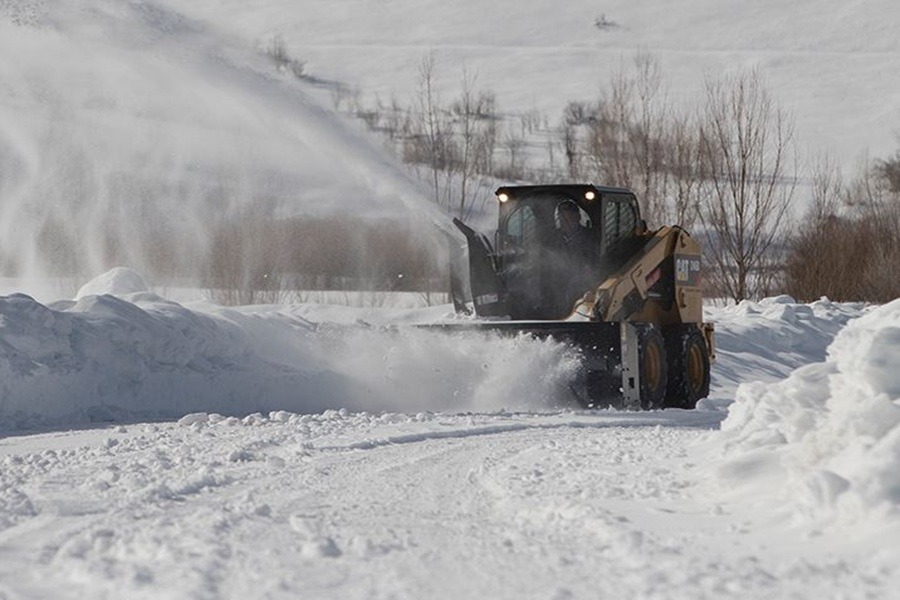
What Is Residential Snow Removal
Residential snow removal focuses on clearing snow from properties where people live, such as single-family homes, townhouses, condominiums, or small apartment complexes. The primary goal is to ensure the safety and convenience of residents during snowy weather while maintaining access to driveways, sidewalks, walkways, and other critical areas.
Key Features of Residential Snow Removal
- Driveways
- Sidewalks
- Steps leading to entrances
- Mailbox areas or pathways to important utility features like garbage bins
- Approach: Typically involves smaller-scale equipment and tools designed for precision and efficiency in confined spaces. Examples include:
- Snowblowers
- Shovels (manual removal)
- Salt or de-icing applications for walkways
- Personalized Services: Homeowners have specific preferences when it comes to how snow is removed or where it is piled. Examples might include avoiding damage to landscaping features or protecting decorative elements near entry points.
Benefits of Residential Snow Removal Services
- Convenience: Homeowners save time and effort by hiring professionals instead of doing the labor-intensive work themselves. This is particularly helpful for elderly residents or those with physical limitations.
- Safety: Immediate removal of ice and snow reduces the risk of slips and falls on the property.
- Property Preservation: Proper snow removal minimizes potential damage to pavement, stone walkways, or landscaping caused by improper techniques or overuse of chemical deicers.
- Weather Preparedness: Many companies offer pre-scheduled services based on weather patterns so homeowners don’t need to scramble after a major storm.
Common Challenges in Residential Snow Removal
| Challenge | Description |
| Limited Space for Piling | Smaller driveways often lack sufficient space for piling large amounts of snow. |
| Landscaping Concerns | Flower beds, shrubs, and garden ornaments can be easily damaged if care isn’t taken during clearing efforts. |
| Timing Expectations | Homeowners may expect immediate service after a snowfall regardless of company workload. |
Options for Homeowners
Homeowners can handle snow removal themselves using basic tools like shovels and salt spreaders or hire professional services for consistent results: – DIY Approach: Best suited for light snowfall but can be physically demanding during heavy storms. – Professional Services: Ideal when consistent maintenance is desired throughout the winter season.
Residential snow removal prioritizes individual needs and customization while ensuring that families remain safe during harsh winter months—a necessity for preserving both peace of mind and property value.
Differences in Property Size and Equipment
When comparing residential and commercial snow removal, one of the most significant differences lies in the size and type of properties involved, as well as the equipment required to handle each. The scope of work varies widely between these two categories, which directly affects how services are delivered.
Property Size Considerations
Residential snow removal typically involves smaller areas, such as:
– Driveways
– Walkways
– Sidewalks
– Small parking spaces (if applicable)
In contrast, commercial properties are much larger and include:
– Parking lots with multiple lanes or levels
– Building entrances spanning wide areas
– Long access roads or driveways for industrial complexes
– Pathways surrounding large office buildings or retail centers
The scale of the property directly influences the time, labor, and equipment required to efficiently clear snow. For residential spaces, a small team using basic tools is often sufficient. For commercial properties, clearing snow may require specialized teams operating heavy-duty machinery.
Equipment Requirements
| Residential Snow Removal | Commercial Snow Removal |
| Shovels | Snowplows |
| Small snow blowers | High-capacity snow blowers |
| Deicing salts or sand spreaders | Truck-mounted salt spreaders |
| Manual labor | Heavy machinery like loaders or skid steers |
For residential properties, homeowners often prefer quieter tools to minimize disruption to neighbors. On the other hand, commercial projects prioritize speed and efficiency over noise concerns because business operations need minimal interruptions.
Accessibility Challenges
Another key factor tied to property size is accessibility. Residential areas typically have clear boundaries with direct access points for driveways or walkways. Conversely, commercial properties might have multiple entrances or exits—some requiring special attention due to customer traffic flow—and may include obstacles like loading docks or ramps that demand customized solutions.
Specialized Needs Based on Scale
Handling larger-scale commercial spaces often necessitates additional planning:
– Coordinated plowing routes for large parking lots to ensure vehicles can park safely after snowfall.
– Pre-treatment applications (e.g., brine solutions) done in advance for significant storms.
– On-site storage of salt supplies for frequent use during winter months.
In summary, differences in property size and necessary equipment underscore why residential and commercial snow removal are approached so differently. These variations help professionals tailor their services to meet unique needs while ensuring efficiency at every scale.
Differences in Property Size and Equipment
The scope of work in snow removal services significantly varies between residential and commercial properties due to differences in property size and the equipment required for each type of job. Understanding these distinctions can help property owners choose the most suitable service.
Residential Snow Removal: Compact and Efficient
Residential properties typically encompass smaller spaces such as: – Driveways
– Sidewalks
– Walkways
– Decks or patios
Given the smaller scale, contractors often use compact equipment such as:
– Single-stage or two-stage snow blowers
– Shovels for precise clearing
– Small plows attached to pickup trucks
This equipment is designed to navigate tight spaces without damaging landscaping, fences, or delicate surfaces. For example, using a small blower on a narrow sidewalk ensures effective snow removal while preventing overuse of heavy machinery that could harm concrete or decorative stonework.
Commercial Snow Removal: Heavy-Duty for Larger Areas
Commercial properties, on the other hand, usually involve extensive areas that require more robust solutions. These may include:
– Parking lots (small to large-scale)
– Loading docks
– Long access roads
– Retail storefront entrances
To tackle these large spaces efficiently, commercial service providers rely on industrial-grade equipment such as:
– Multi-stage snow blowers with high capacity
– Full-size plow trucks designed for heavy loads
– Skid-steer loaders or front-end loaders for moving large piles of snow
– Salt spreaders and deicing machines
Additionally, specialized machinery like motor graders may be required to handle particularly challenging conditions on larger business properties.
| Property Type | Common Equipment Used | Area Examples |
| Residential | Shovels, compact blowers/plows | Driveways, sidewalks, walkways |
| Commercial | Full-size plows, loaders | Parking lots, access roads, loading docks |
Key Considerations When Choosing Equipment
The right equipment not only ensures efficiency but also protects the integrity of surfaces. For instance: – Using heavy machinery on residential driveways risks cracking asphalt or concrete. – Conversely, deploying light-duty tools on expansive commercial parking lots slows response times and fails to meet business needs during peak snowfall.
Tailoring Services Based on Property Size
Snow removal companies often customize their services based on property size: 1. Residential contracts focus on quick service with nimble tools. 2. Commercial agreements emphasize scalability with access to a fleet of heavy-duty machines.
By aligning the choice of equipment with property needs—whether a small suburban driveway or an expansive corporate campus—snow removal providers can deliver safe and effective winter solutions tailored specifically to their clients’ requirements.
Safety, Liability, and Compliance Differences
When it comes to snow removal, the stakes for safety, liability, and compliance can differ significantly between residential and commercial properties. These factors are critical because they directly affect the well-being of people on the property as well as legal responsibilities for both property owners and snow removal providers.
Residential Snow Removal: Safety and Liability
For residential properties such as homes or small apartment buildings, safety concerns primarily revolve around ensuring safe access for homeowners, family members, guests, and delivery personnel. Property owners are generally responsible for maintaining clear walkways and driveways to avoid slip-and-fall accidents.
- Liability Risks: Homeowners may face lawsuits or insurance claims if someone is injured on their property due to uncleared snow or ice.
- For example: If a delivery driver slips on an icy walkway that wasn’t salted or shoveled properly, the homeowner could be held liable.
- Compliance Requirements: Snow removal regulations vary by local governments or homeowner associations (HOAs). In many areas, residents are required to clear sidewalks adjacent to their homes within a specific timeframe after snowfall.
To reduce liability risks: – Regularly monitor snowfall and ice conditions. – Use salt or sand to improve traction on surfaces. – Hire professional residential snow removal services when dealing with heavy snowfall.
Commercial Snow Removal: Safety and Compliance at Scale
Commercial properties – such as office buildings, retail centers, parking lots, or industrial facilities – have more complex safety concerns due to higher foot traffic volumes and larger spaces. Additionally, they must adhere to stricter compliance standards related to accessibility and public safety.
- Liability Risks: Businesses are held responsible for ensuring that their premises remain safe for employees, customers, tenants (in multi-use spaces), and others who visit their property.
- Slip-and-fall accidents in parking lots or entryways can result in costly lawsuits not just against the business owner but also potentially against contracted snow removal companies.
- Regulatory Compliance: Businesses must often comply with ADA (Americans with Disabilities Act) guidelines regarding accessibility during winter months. This includes ensuring ramps and handicapped parking spaces remain clear of snow and ice at all times.
To address these challenges: – Commercial snow removal contracts often outline liability coverage between the business owner and service provider. – Many businesses schedule frequent maintenance checks during heavy snowfall periods to ensure continuous compliance with safety standards.
Key Differences in Safety & Legal Considerations
| Factor | Residential Properties | Commercial Properties |
| Primary Concern | Safe access for family & guests | Public safety & high foot traffic management |
| Liability Exposure | Individual homeowners responsible | Businesses face higher risks due to volume |
| Regulations/Compliance | Varies by HOA/local laws | Must comply with strict ADA/accessibility rules |
| Snow Removal Scope | Typically limited (driveways/walkways) | Larger-scale areas like parking lots & entrances |
Mitigating Risks Through Professional Services
Whether residential or commercial in nature, hiring a professional snow removal company can help mitigate risks associated with safety liabilities while also ensuring compliance with local laws. Professionals have access to specialized equipment designed for different types of properties as well as insurance coverage that protects both parties from potential incidents during service delivery.
Safety, Liability, and Compliance Differences
Snow removal involves more than just clearing pathways; it also encompasses safety measures, liability considerations, and compliance with local regulations. The stakes vary significantly between residential and commercial snow removal in this regard. Understanding these differences is essential for selecting the appropriate service and ensuring smooth operations during the winter months.
Liability Considerations
- Residential Properties:
For homeowners, liability concerns are primarily related to slip-and-fall injuries on driveways, walkways, or sidewalks. While homeowners’ insurance may provide coverage for such incidents, ensuring proper snow removal can help reduce the risk of accidents and claims against the property owner. - Commercial Properties:
Businesses face heightened liability risks due to higher foot traffic and vehicle usage. Slip-and-fall lawsuits on icy parking lots or walkways are common challenges for commercial property owners. Additionally:- Regulatory requirements may mandate timely snow clearing to reduce hazards.
- Failure to comply with safety standards can result in fines or legal action.
Compliance with Local Regulations
Both residential and commercial properties must adhere to municipal regulations regarding snow removal timelines and proper disposal methods. However, commercial properties often have stricter requirements due to their public-facing nature.
- Residential Requirements:
Homeowners typically need to clear public sidewalks adjacent to their property within a specified time frame after snowfall ends. These rules vary by location but are generally less stringent than those for businesses. - Commercial Requirements:
Commercial properties may need to meet additional regulations such as:- Ensuring accessible entry points for customers or tenants (including ADA compliance).
- Providing safe parking lots free of ice accumulation.
- Adhering to specific protocols for snow storage or melting (e.g., avoiding obstruction of drains).
| Category | Residential Snow Removal | Commercial Snow Removal |
| Liability Risk | Lower (fewer visitors) | Higher (due to increased public exposure) |
| Compliance Burden | Moderate | High |
| Response Time Rule | Relaxed | Often strict |
Safety Priorities
- Residential snow removal focuses mainly on family members’ safety when navigating driveways or pathways.
- Commercial services are geared toward creating a hazard-free environment for employees, customers, tenants, or vendors.
Practical Tips for Managing Safety & Compliance
- Understand Local Laws: Familiarize yourself with municipal snow clearing regulations in your area to avoid fines or penalties.
- Hire Insured Contractors: Verify that any service provider has adequate insurance coverage in case of accidental damage or injury during operations.
- Document Services: Maintain records of when and how snow was cleared in case proof is needed during disputes over accidents.
- Inspect Property Regularly: Identify potential hazards such as uneven pavement where ice could accumulate.
By recognizing the unique safety demands and legal responsibilities associated with residential versus commercial snow removal, you can make informed decisions that prioritize protection while staying compliant with local laws.
Pricing Differences Between Residential and Commercial Services
When comparing residential and commercial snow removal services, pricing is often a key factor that significantly varies due to the distinct nature of each type of property. Understanding the components behind these pricing differences can help you make more informed decisions.
Factors Affecting Residential Snow Removal Costs
- Size of the Driveway or Walkways:
The larger the area that requires snow removal, the higher the cost. A long driveway or multiple walkways will typically incur more charges than a compact space. - Service Frequency:
Homeowners often opt for on-demand service during heavy snowfalls or subscribe to seasonal packages. A one-time service may cost more per visit compared to a subscription model. - Manual Labor vs. Equipment Use:
Many residential providers use smaller machinery like snowblowers or manual shoveling tools when servicing homes, which can affect labor costs depending on size and complexity. - Add-On Services:
Extras such as salting sidewalks, de-icing driveways, or clearing rooflines are typically charged separately in residential contracts.
| Key Consideration | Impact on Price |
| Driveway/Walkway Size | Larger areas = Higher Cost |
| Frequency of Service | Seasonal plans may reduce per-service cost |
| Specialized Requests | Roof clearing or de-icing adds extra fees |
Factors Affecting Commercial Snow Removal Costs
- Property Size and Layout:
Commercial properties usually cover much larger areas than residential homes. Parking lots, loading docks, large walkways, and emergency exits must all be addressed efficiently. - Advanced Equipment Usage:
To manage extensive spaces quickly during major storms, commercial providers rely heavily on specialized machinery like skid-steer loaders, truck-mounted plows, salt spreaders, and even fleet coordination for large operations. - Liability Concerns:
Businesses often require clear walkways and parking areas to meet safety standards for customers and employees. Ensuring compliance with local ordinances drives up costs due to insurance requirements and liability protection measures. - 24/7 Availability & Rapid Response Times:
Many commercial contracts include guaranteed time-sensitive service agreements since downtime can lead to lost revenue or unsafe conditions.
| Key Consideration | Impact on Price |
| Larger Property Size | Requires heavy-duty equipment; increases cost |
| Compliance Requirements | Liability measures add expenses |
| Emergency Response Needs | Premium charges for rapid responses |
Why Commercial Is Typically More Expensive
The pricing difference between residential and commercial snow removal boils down to scale and complexity. While residential services focus on small-scale personal spaces with basic tools at lower costs, commercial operations prioritize efficiency for expansive areas with stricter compliance requirements—leading to higher overall expenses.
Homeowners looking for affordable seasonal solutions may find simplicity in residential plans. Business owners managing large properties must budget for comprehensive services that accommodate high traffic volumes while ensuring public safety standards are met. Understanding these distinctions ensures you’re choosing a service aligned with your property’s unique needs while staying within budget constraints.
Which Snow Removal Service Is Right for Your Property
Choosing the right snow removal service depends on several factors specific to your property, needs, and preferences. Whether you’re managing a residential driveway or a large commercial parking lot, understanding these factors can help you make an informed decision. Below is a breakdown of considerations to guide your choice.
1. Assessing Your Property’s Needs
The type and size of your property play a crucial role in determining which service is appropriate.
- Residential Properties: Typically include driveways, sidewalks, and small pathways. These areas require smaller-scale snow removal equipment and services tailored for personal or family use.
- Commercial Properties: Often encompass larger spaces such as parking lots, loading docks, walkways, and entrances. Commercial properties demand heavy-duty equipment to manage higher volumes of snow efficiently.
2. Evaluating Snow Removal Priorities
- Residential Properties: Focus on accessibility for personal vehicles and safe walking paths for household members. Convenience and affordability are common priorities.
- Commercial Properties: Must prioritize safety for employees, customers, and delivery drivers while ensuring compliance with local regulations (e.g., ADA standards). Delays or inadequate clearing could lead to liability issues or business disruptions.
3. Budget Considerations
| Service Type | Cost Factors |
| Residential Services | Generally more affordable due to smaller property size |
| Commercial Services | Higher costs due to larger areas, specialized equipment requirements, and frequent visits |
Keep in mind that some companies may offer flexible payment plans or seasonal contracts to fit your budget.
4. Response Time Requirements
- Residential properties may not require immediate clearing unless there’s heavy snowfall before work or school hours.
- Commercial properties often need same-day or even immediate snow clearing during business hours to maintain operations safely.
5. Choosing the Right Service Provider
When comparing providers, look for qualities such as reliability, experience with similar property types (residential vs commercial), adequate insurance coverage, and positive customer reviews.
Here are some tips for making the right choice: – Request quotes from multiple providers to compare services and pricing. – Ask about their equipment capabilities—ensure they can handle the demands of your property. – Verify that they carry proper insurance in case of damages or accidents during service.
In summary, selecting the appropriate snow removal service comes down to understanding your property’s unique requirements while balancing convenience with cost considerations. For smaller-scale tasks focused on personal use at home, residential services are typically sufficient; however, if you’re managing large spaces with high traffic demands or legal compliance concerns, commercial services are usually the better fit.