

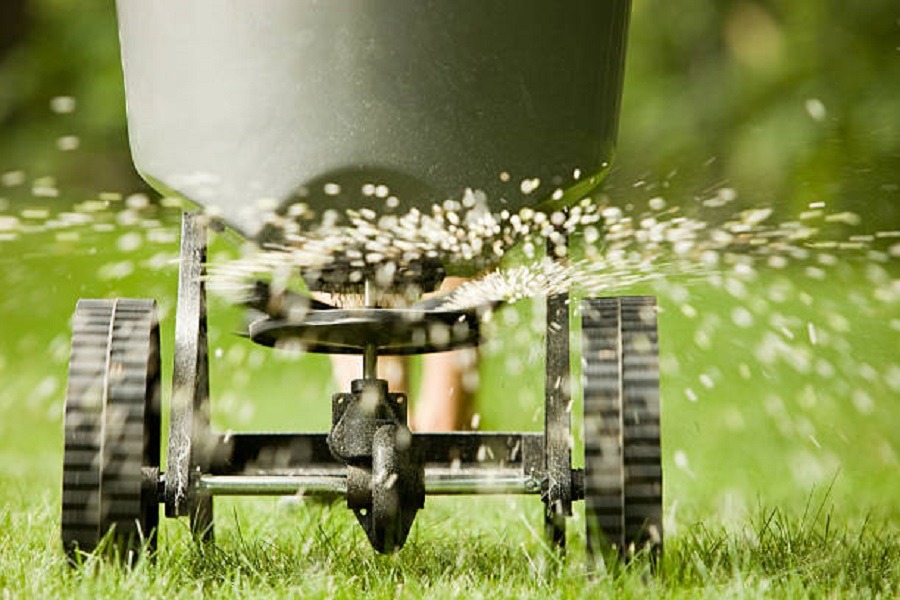
Fertilizing Your Lawn in the Fall: Worth it or Waste?
As the summer fades and cooler months approach, many homeowners wonder whether fertilizing their lawn during the fall is truly effective or just an unnecessary expense. The answer largely depends on factors such as your specific grass type, regional climate, and how well your lawn has been cared for throughout the year. Fall fertilization can be highly beneficial under the right conditions, but it may not always deliver results if done improperly.
Why Fall Fertilization Matters
Fall is often considered an ideal time for fertilizing because this is when grass begins its recovery process following the stress of summer’s heat and drought. During this season, roots grow deeper to prepare for winter dormancy while storing essential nutrients that will provide a strong start in spring. Fertilization during fall can support these processes by delivering critical nutrients like nitrogen, phosphorus, and potassium that enable robust root development and energy storage.
Healthy lawns are better equipped to endure harsh winters and emerge stronger in spring with lush green growth. Neglecting fall fertilization could leave your lawn weaker, more susceptible to disease, and less vibrant when warmer weather returns.
Factors That Impact Success
- Grass Type: Cool-season grasses like Kentucky bluegrass and fescue benefit most from fall feeding since they thrive during cooler temperatures.
- Timing: Applying fertilizer too early or late can limit its effectiveness. Most experts recommend applying fertilizer about 2-4 weeks before the first expected frost.
- Soil Condition: Fertilizer works best when paired with healthy soil. Conducting a soil test beforehand helps determine nutrient deficiencies or pH imbalances.
- Fertilizer Type: Choosing a slow-release fertilizer designed for fall use ensures steady nutrient availability throughout colder months.
When It May Be a Waste
Not all lawns require fertilization in fall. If your yard has been overfed earlier in the year or already receives generous organic matter through mulched leaves or compost, additional fertilizer may provide little added value. Similarly, lawns in regions experiencing mild winters where grass doesn’t go dormant may not see as much benefit from seasonal feeding.
Over-fertilizing poses risks such as nutrient runoff into nearby water sources—impacting local ecosystems—and increased maintenance needs due to excessive top growth at inappropriate times of year.
The Bottom Line
Fertilizing your lawn in the fall isn’t universally necessary but can be impactful if you understand what your grass needs and apply it strategically. By assessing your lawn’s condition carefully and tailoring care practices to seasonal requirements, you can save both money and time while promoting healthier turf year-round.
Before You Fertilize Your Lawn
Proper preparation is essential before applying fertilizer to your lawn in the fall. Without the right groundwork, even the best fertilizers may fail to deliver optimal results. Here’s what you need to keep in mind before you start.
Assessing Your Lawn’s Needs
- Grass Type: Cool-season grasses like Kentucky bluegrass, fescue, and ryegrass thrive with fall fertilization since this is their active growing period.
- Current Health: A stressed or thinning lawn may benefit more from nutrient support than a lush, healthy one.
- Soil Testing: Test your soil for pH levels and nutrient balance. Soil testing kits are widely available, or you can consult local agricultural extension services for professional analysis.
Timing Is Everything
- Ideal Window: Apply fertilizer about 6-8 weeks before the first expected frost. This gives grass time to absorb nutrients and store energy during its root-building phase.
- Temperature Considerations: Wait until temperatures cool down but remain above freezing—typically when daytime highs hover around 50-70°F (10-21°C).
Choosing the Right Fertilizer
- Look for High Nitrogen Content: Nitrogen encourages robust growth and deep green color.
- Phosphorus-Free Options: Unless your soil test indicates a phosphorus deficiency, choose phosphorus-free fertilizers to prevent runoff pollution.
- Slow-Release Formulas: These allow nutrients to be absorbed gradually over time rather than all at once.
| Nutrient | Purpose | Why It Matters in Fall |
| Nitrogen | Promotes growth & vibrant color | Feeds grass blades for spring recovery |
| Phosphorus | Supports root development | Helps build strong roots before winter |
| Potassium | Improves stress tolerance | Prepares lawn for harsh winter weather |
Preparing Your Lawn
- Mow Your Lawn Shorter: Cut grass slightly shorter than usual—around 2 inches—but avoid scalping it as this can damage roots.
- Remove Thatch: Use a rake or dethatching tool to get rid of built-up organic matter preventing nutrients from reaching the soil.
- Water Thoroughly: A well-hydrated lawn absorbs fertilizer more effectively but avoid overwatering after application.
By prepping your lawn properly and choosing products tailored to its needs, you’ll create an environment where fall fertilization can deliver measurable benefits without wastefulness.
Pros and Cons of Fertilizing Your Lawn in the Fall
Fertilizing your lawn in the fall is a common practice among homeowners and gardening enthusiasts. However, it’s not a one-size-fits-all solution. Understanding the benefits and drawbacks of fall fertilization can help you decide whether it’s worth your time, effort, and money. Below is an in-depth look at both sides to help you make an informed decision.
Benefits of Fertilizing in the Fall
Fall fertilization has several advantages that cater to the health and longevity of your lawn. These benefits go beyond surface-level greening to address long-term growth.
- Stronger Root Growth:
Providing nutrients in the fall allows grass roots to grow deeper into the soil before winter dormancy. This results in a more robust root system that can better absorb water and nutrients when spring arrives. - Improved Winter Hardiness:
A well-fertilized lawn is better equipped to endure cold weather conditions. Nitrogen-rich fertilizers, for example, promote energy storage within grass plants, increasing their resilience during freezing temperatures. - Faster Spring Recovery:
By applying fertilizer in autumn, you ensure that your lawn enters spring with a nutrient reserve. This reduces stress on your grass during its most active growing season. - Weed Prevention:
A healthy lawn established through fall fertilization can choke out weeds like dandelions or crabgrass before they have a chance to sprout in spring.
Drawbacks of Fertilizing in the Fall
While fall fertilization comes with significant advantages, there are some potential downsides that should not be overlooked.
- Over-Fertilization Risks:
Applying too much fertilizer, or using one with improper nutrient ratios, can harm your soil’s natural balance. Excess nitrogen may also runoff into nearby waterways if heavy rainfall occurs shortly after application. - Cost Considerations:
High-quality fertilizers can be expensive. If applied incorrectly or unnecessarily, you may end up wasting both money and resources without seeing meaningful results. - Timing Challenges:
The timing of fall fertilization is critical—too early and your grass might grow excessively before winter; too late and the nutrients won’t properly settle into the soil before frost sets in. Striking this perfect balance requires knowledge about local weather patterns and soil conditions.
Table: Quick Comparison of Pros & Cons
| Pros | Cons |
| Promotes stronger root systems | Risk of over-fertilization |
| Enhances winter hardiness | Can be costly |
| Helps lawns recover quickly in spring | Requires precise timing |
| Reduces weed growth | Potential nutrient runoff issues |
Weighing Your Options
Deciding whether or not to fertilize your lawn this fall depends on several factors: your climate zone, soil type, grass species, and budget all play a role. For those committed to maintaining their lawn year-round, autumn fertilization might prove invaluable as part of an overall care strategy. However, if you’re working within certain constraints such as time or finances—or if you’re unsure about proper application—this step might warrant reconsideration until conditions are more favorable.
Understanding both benefits and limitations ensures that any investment you make will yield optimal results for your specific circumstances without unnecessary waste or environmental harm.
Tips for Fertilizing Your Lawn
Proper fertilization can make a significant difference in your lawn’s health, especially during the fall season. To ensure your efforts are effective and not wasteful, it’s essential to follow best practices tailored to this crucial time of year. Below are useful tips to help you fertilize your lawn efficiently and achieve the best results.
Choose the Right Type of Fertilizer
Not all fertilizers are created equal, and selecting the right one for fall is key to supporting your lawn’s health through winter and into spring.
- Slow-release fertilizers: These allow nutrients to be gradually absorbed over time, reducing runoff and providing sustained nourishment.
- Nitrogen-rich formulas: Fall fertilizers typically have higher nitrogen content to encourage root development and prepare grass for dormancy.
- Look for balanced nutrients: A fertilizer with phosphorus and potassium helps strengthen root systems while improving resistance to cold stress.
Check labels carefully or consult with a local gardening expert to identify products designed specifically for autumn use.
Apply at the Right Time
- Early-to-mid fall: Typically between late September and early November, depending on your region. This window allows enough time for roots to absorb nutrients before frost sets in.
- Before rainfall or watering: This promotes better nutrient absorption into the soil while minimizing waste due to surface runoff.
Avoid late applications—fertilizing too close to winter may stimulate unwanted growth that won’t survive colder temperatures.
Mow Your Lawn First
Before fertilizing, ensure your lawn is properly mowed. Trim grass so it’s manageable but leave enough height (around 2½–3 inches) as longer blades can insulate roots against cold temperatures. Removing overgrown grass also ensures fertilizer reaches the soil more effectively instead of sitting on top of long blades.
Use the Right Tools
| Tool | Purpose |
| Broadcast spreader | Distributes fertilizer evenly across large areas |
| Drop spreader | Ideal for precise application in smaller spaces |
| Handheld spreader | Useful for spot treatments or patchy areas |
Ensure equipment is calibrated correctly according to product instructions before use.
Avoid Overfertilizing
Applying too much fertilizer can harm both your lawn and the environment. Excess nutrients may “burn” grass or wash away into nearby water systems, contributing to pollution. Always measure carefully based on package guidelines, taking into account your yard’s size.
Some quick reminders: – Stick closely to recommended application rates. – Divide large lawns into sections when spreading fertilizer—this reduces overlap and overapplication. – Monitor results after initial application rather than rushing into a second round unnecessarily.
Water After Fertilizing
Watering after applying fertilizer helps dissolve granules so nutrients can penetrate soil layers effectively. Use moderate watering—just enough moisture without creating puddles—to aid absorption without washing away product prematurely.
By following these tips, you can maximize the benefits of fall fertilization while minimizing resource waste or harm caused by improper practices. A well-fed lawn not only looks vibrant but also stays healthier throughout challenging seasons like winter.
Tips for Fertilizing Your Lawn
Fall fertilization can be one of the most effective ways to promote a healthy, resilient lawn, but it requires proper technique and careful attention to timing and product selection. Below are detailed tips to help you maximize the benefits of fertilizing your lawn during this time of year.
1. Choose the Right Fertilizer
- Nutrient Balance: Look for a fertilizer with a balanced or slightly higher ratio of nitrogen (N), phosphorus (P), and potassium (K). A common recommendation is a formula like 20-10-10 or 24-0-10. Nitrogen supports blade growth, while phosphorus strengthens root systems, and potassium helps improve disease resistance.
- Slow-Release vs. Quick-Release: Opt for slow-release fertilizers if you want a longer-lasting feed that minimizes runoff risks. Quick-release formulas may be suitable if immediate results are needed, but they can burn your lawn if over-applied.
- Organic Options: If you prefer an eco-friendly approach, consider organic fertilizers made from natural sources such as composted manure or bone meal. These enhance soil health over time.
2. Timing Is Everything
- Early Fall Application: Apply the first round of fertilizer in early fall when temperatures drop slightly but before significant frost occurs.
- Late Fall Application: A second application six to eight weeks after the first—typically late October or early November—can help lawns store nutrients through winter.
Check local recommendations based on your region’s climate for the ideal schedule.
3. Prepare Your Lawn Before Applying Fertilizer
- Mow Your Lawn: Keep grass at an optimal height (around 2.5 to 3 inches) before applying fertilizer.
- Water Lightly: Water your lawn lightly a day before spreading fertilizer if conditions are dry; this will prepare soil for better absorption.
- Aerate If Possible: Aerating your lawn allows fertilizer and water to penetrate deeply into compacted soil, fostering robust root development.
4. Apply Fertilizer Correctly
| Best Practices | Why It Matters |
| Use a spreader | Ensures consistent coverage |
| Follow package instructions | Prevents over-fertilization damage |
| Avoid edges near water sources | Reduces environmental pollution |
5. Don’t Forget Post-Fertilization Care
- Water thoroughly after application unless rain is expected within 24 hours.
- Avoid heavy foot traffic on freshly fertilized grass for at least two days.
By following these tips, you can make fall fertilization a smart investment that strengthens your lawn’s health through winter and into spring without wasteful spending or effort.
Tips for Fertilizing Your Lawn
Fertilizing your lawn in the fall can be a highly effective way to maintain its health and vibrancy, but proper application is key to maximizing results. Below are some detailed tips to help you fertilize your lawn effectively while avoiding common mistakes.
1. Choose the Right Fertilizer
The type of fertilizer you select plays a significant role in how well your lawn responds to fall feeding. Consider the following when purchasing fertilizer:
– Nitrogen Content: Look for fertilizers high in nitrogen, as this supports root growth and helps restore nutrients lost during summer stress.
– Balanced Nutrients: Select a product with balanced levels of phosphorus and potassium for overall strength and resilience.
– Slow-Release Formulas: Opt for slow-release fertilizers that provide steady nourishment over time without overwhelming the grass.
| Fertilizer Type | Best For | Key Benefit |
| High-Nitrogen | Cool-season grasses (e.g., fescue, bluegrass) | Boosts green growth and root health |
| Balanced N-P-K Ratio | General lawn maintenance | Provides all essential nutrients evenly |
| Slow-Release | Long-term care | Ensures gradual nutrient absorption |
2. Know When to Apply It
Timing is critical when fertilizing in the fall to ensure your efforts aren’t wasted. Follow these guidelines:
– Apply fertilizer 6–8 weeks before the first expected freeze so that grass has time to absorb nutrients before dormancy begins. – The best period is typically mid-to-late autumn, depending on your region’s climate. – Watch soil temperatures—fertilization should occur when soil remains above 55°F (13°C), as this allows roots to stay active longer.
3. Prepare Your Lawn for Fertilization
Prepping your lawn ensures better absorption of nutrients and minimizes waste. Here’s what you can do beforehand:
– Mow Properly: Cut your grass slightly shorter than usual but avoid scalping it, which could stress the plants. – Water Lightly: A lightly moist lawn absorbs fertilizer more effectively but avoid applying it right after heavy rain. – Rake Leaves & Debris: Clear fallen leaves or debris so that fertilizer reaches the ground directly.
4. Use Proper Application Techniques
How you spread fertilizer matters as much as what you use or when you apply it. Consider these points for even coverage:
– Use a broadcast or drop spreader to distribute granules evenly across the lawn. – Overlap passes slightly to prevent missed patches. – Avoid applying too much in one area, which can lead to “burn spots” from excess nitrogen.
5. Water After Application (But Not Too Much)
Once you’ve fertilized, water your lawn lightly to help dissolve granules and allow nutrients to soak into the soil effectively: – Aim for about a quarter-inch of water shortly after application. – Avoid overwatering; pooling water can wash away fertilizer or cause uneven distribution.
6. Avoid Common Mistakes
Even with good intentions, there are several pitfalls you’ll want to avoid during fall fertilization: – Don’t apply fertilizer too late in the season; once grass enters dormancy, it won’t absorb nutrients effectively. – Avoid using spring-specific fertilizers with high phosphorus unless addressing specific deficiencies. – Steer clear of over-fertilizing—too many nutrients can harm your turf rather than help it.
By following these tips, you’ll maximize the benefits of fall fertilization while saving time and money through targeted care techniques tailored specifically for this season’s needs.
Tips for Fertilizing Your Lawn
Fertilizing your lawn in the fall can lead to a healthy, vibrant yard come spring, but it’s only effective if done correctly. This section offers practical tips to optimize your efforts and ensure you’re not wasting time or resources.
Choose the Right Fertilizer
When fertilizing in the fall, selecting the right fertilizer is essential. Look for a product specifically formulated for autumn use, as these are designed to support root growth and prepare lawns for winter dormancy.
- Nitrogen-rich fertilizers: These promote root development and replenish nutrients lost during summer stress. Opt for slow-release nitrogen to provide consistent nourishment over time.
- Phosphorus content: Depending on your soil type and local regulations—some areas restrict phosphorus—select a fertilizer that enhances root strength without contributing to environmental runoff.
To verify what your lawn truly needs, conduct a soil test beforehand; many garden centers or local extension offices offer this service.
| Nutrient | Purpose | When to Use |
| Nitrogen (N) | Promotes growth and color | Always essential in fall |
| Phosphorus (P) | Enhances root strength | Only if soil test shows deficiency |
| Potassium (K) | Improves disease resistance and winter hardiness | Fall application ideal |
Timing Is Everything
Fertilize at the right time to maximize its effectiveness. For most cool-season grasses—like Kentucky bluegrass, fescue, or ryegrass—the optimal fertilization period is from late summer to early fall. Warm-season grasses may require adjustments depending on local climates.
- Apply fertilizer 4-6 weeks before the first hard frost in your region.
- Morning applications are best when temperatures are cooler and there’s minimal wind.
Lawn Preparation Before Fertilizing
- Mow appropriately: Cut your grass slightly shorter than usual but avoid scalping it. This allows fertilizers to reach soil surfaces without damaging grass blades.
- Water thoroughly: Ensure your soil is hydrated before applying fertilizer; dry ground won’t absorb nutrients as efficiently.
- Aerate compacted areas: Aeration makes small holes in the ground, allowing fertilizer and water to reach roots more effectively.
Application Techniques
- Use a broadcast spreader for even coverage; uneven application can lead to patchy growth or over-fertilized spots.
- Follow manufacturer recommendations regarding application rate—over-fertilization can burn your lawn.
- Water lightly after fertilizing so nutrients settle into the soil without washing away.
Avoid Common Mistakes
- Don’t over-fertilize: Excessive nutrients can harm both your lawn health and nearby ecosystems through runoff.
- Skip fertilization if heavy rain is forecasted within 24 hours; this prevents wastage of materials.
- Avoid using outdated products; always check expiration dates since aged fertilizers lose effectiveness over time.
By following these tips, you’ll set up your lawn for long-term success while making efficient use of resources—a win-win for both your yard and wallet.