
Why Fall Cleanup Is Crucial for a Healthy Lawn & Landscape
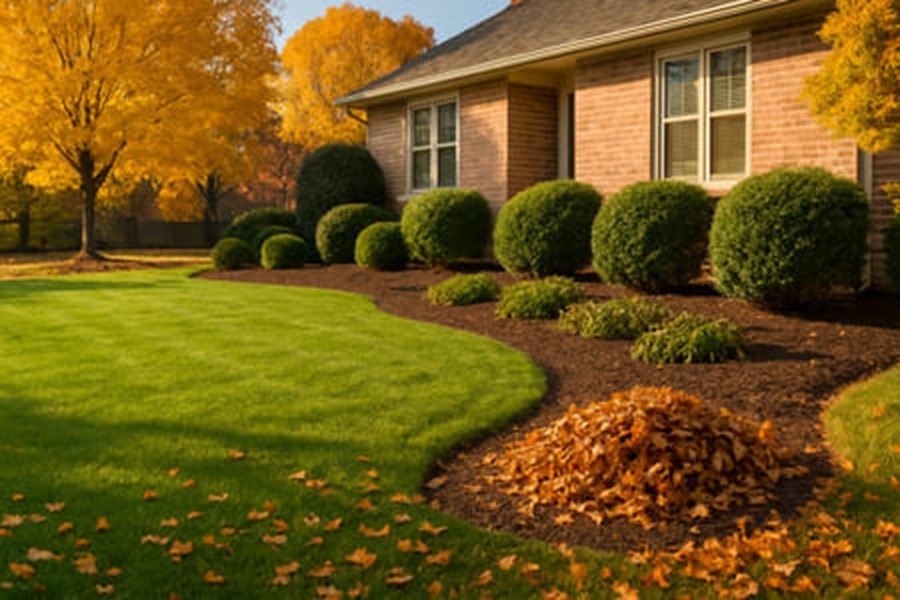
Prepares Your Lawn for Winter Dormancy
As the seasons shift from the vibrant warmth of summer to the crisp chill of autumn, it becomes critical to prepare your lawn for the colder months ahead. Fall cleanup is a vital step in ensuring that your lawn enters its winter dormancy phase in optimal condition, ready to thrive when spring returns.
Why Winter Preparation Matters
During winter dormancy, grass and other plants experience slowed growth or enter a resting period. Proper preparation during fall ensures your lawn conserves energy, maintains health beneath the surface, and avoids unnecessary stress caused by neglect. A well-prepared lawn is better equipped to handle freezing temperatures and reduced sunlight.
Key Fall Cleanup Tasks for Winter Preparation
- Piles of leaves can smother grass by blocking sunlight and trapping moisture.
- This creates an ideal environment for mold and fungi to grow throughout winter months.
- Use a rake or leaf blower regularly to keep your yard clear.
- Gradually lower your mowing height as fall progresses.
- Avoid cutting grass too short, which can stress plants, but also don’t leave it too long as this can invite pests and diseases.
- Aeration involves creating small holes in compacted soil using an aerator tool or machine.
- It improves oxygen flow to grass roots and gives nutrients better access before winter hits.
- Apply a slow-release fertilizer designed for fall use.
- This provides essential nutrients like potassium that strengthen roots during dormancy.
- Remove twigs, plants past their prime, or any clutter that could harbor pests or restrict airflow around grass.
Benefits of Proactive Preparation
| Task | Benefit |
| Leaf removal | Prevents smothering & reduces fungal diseases |
| Proper mowing | Keeps grass healthy without added stress |
| Aeration | Promotes strong root development & nutrient absorption |
| Fertilization | Builds resilience against harsh weather while supporting root systems |
By investing effort into preparing your yard during fall’s transitional period, you’ll not only ease its journey through winter but also enjoy a lush and vibrant landscape when warmer days return.
Prevents Lawn Diseases and Pest Infestations
A thorough fall cleanup is essential for reducing the risk of lawn diseases and pest infestations that can wreak havoc on your yard. As leaves, twigs, and other organic debris accumulate on your lawn during autumn, they create the ideal environment for pathogens and pests to thrive. By addressing these issues proactively, you can safeguard the health of your landscape.
How Debris Contributes to Lawn Diseases
When layers of fallen leaves and organic material are left untouched, they trap moisture. This damp environment becomes a breeding ground for fungal infections such as snow mold and brown patch. If not addressed before winter sets in, these diseases can spread rapidly across your lawn once temperatures rise in spring.
Common diseases associated with neglected fall cleanup include: – Snow Mold: A fungal infection that thrives under layers of wet leaves or snow cover. – Brown Patch: Caused by excessive moisture combined with decaying organic material. – Leaf Spot: A disease that discolors grass blades and weakens plant health over time.
How Debris Attracts Pests
Autumn debris also provides shelter for pests like grubs, chinch bugs, or even rodents. These pests use the cover provided by leaves and unkempt plants to survive the cold months, only to emerge in greater numbers when spring arrives.
Key pest risks related to poor fall maintenance: – Grubs: Overwinter beneath dead plant matter and feed on grass roots come spring. – Rodents (e.g., voles): Use piles of leaves or grass clippings as nests during winter. – Insects (e.g., aphids): Seek refuge in untrimmed shrubs or weeds near lawns.
Steps for Effective Fall Cleanup
To minimize these risks, consider implementing these practical steps this fall:
1. Rake Regularly: Remove all fallen leaves from the lawn to prevent moisture buildup. Compost them if possible or bag them for disposal if diseased.
2. Clear Out Garden Beds: Remove dead plants or weeds where pests may hide over winter months.
3. Aerate Your Soil: Aerating helps moisture drain properly while discouraging conditions conducive to fungi growth.
4. Trim Shrubs & Hedges: Prune overgrown plants to eliminate hiding spots for insects like aphids or spider mites.
| Common Lawn Issue | Cause | Preventive Action |
| Snow Mold | Wet leaf layers under snow | Clear leaves before snowfall |
| Grubs | Dead grass & organic debris | Rake thoroughly |
| Rodent Damage | Leaf piles near grass | Eliminate potential nesting areas |
By incorporating these practices into your fall routine, you not only protect your lawn from immediate threats but also set it up for a healthier start in spring when growth resumes naturally.
Enhances Soil Health and Nutrient Absorption
A key component of fall cleanup is its significant role in improving soil health and ensuring your lawn can effectively absorb nutrients. Healthy soil is the foundation of a thriving landscape, and proper fall maintenance sets the stage for growth in the coming seasons. Taking deliberate steps during this time ensures that your lawn can access the nutrients it needs while minimizing potential issues related to compaction, nutrient depletion, and organic matter buildup.
The Impact of Decomposing Organic Material
- Thatch Buildup: A thick layer of decomposing material (thatch) on the surface can block sunlight and prevent essential nutrients from reaching plant roots.
- Compacted Soil: Organic debris buildup combined with regular foot traffic can lead to compacted soil, which hinders root growth and water infiltration.
- Nutrient Imbalance: While small amounts of organic debris may enrich soil, excessive layers may create an imbalance by promoting microbial activity that strips away nitrogen.
By removing excess debris as part of your fall cleanup routine, you eliminate these risks while maintaining healthy levels of organic material in the soil.
Aeration for Improved Soil Absorption
- Increased oxygen flow to roots.
- Improved nutrient absorption efficiency.
- Enhanced water infiltration for consistent hydration.
Pro Tip: Core aeration (using tools that remove small plugs of soil) is particularly effective for heavy clay soils prone to compaction. Pairing aeration with overseeding (spreading grass seed over existing turf) ensures thick growth in spring.
Adding Organic Matter Strategically
- Mulched leaves break down quickly into humus—an essential component that improves soil structure.
- Compost adds valuable microorganisms that support plant health while slowly releasing nutrients over time.
Avoid leaving large leaf piles unattended as they smother grass beneath them and create moist environments conducive to fungal diseases.
| Task | Benefit |
| Raking/removing debris | Prevents compaction; allows better air circulation |
| Aerating | Improves root growth & nutrient penetration |
| Mulching | Provides natural fertilizer & reduces waste |
Fertilizing at the Right Time
- Choose a slow-release fertilizer high in potassium (essential for root strengthening).
- Apply after aeration if possible.
- Follow manufacturer guidelines for application rates to avoid over-fertilizing or burning grass.
By combining these practices—debris removal, aeration, mulching/composting, and fertilization—you’ll create an environment where healthy microbial activity thrives within the soil structure while ensuring optimal nutrient absorption for robust spring growth.
Promotes Better Lawn Appearance and Growth in Spring
Fall cleanup is an investment in the future appearance and health of your lawn. The work you put into maintaining your yard during autumn directly impacts its ability to thrive once spring arrives. By addressing certain tasks now, you set the stage for a lush, green, and vibrant lawn as the temperatures rise.
Removing Debris for a Cleaner Start
During fall, leaves, twigs, and other debris accumulate on your lawn. If left unchecked, this layer of organic matter can suffocate grass and create an environment conducive to mold and fungal growth. Removing debris allows the grass to breathe and absorb sunlight more effectively. Key steps include:
– Raking fallen leaves regularly to prevent matting that blocks sunlight.
– Clearing out dead plants or weeds from garden beds and lawn edges.
– Trimming overgrown shrubs or grasses that may shade parts of your yard unnecessarily.
Aerating for Healthy Roots
Compacted soil hinders water, air, and nutrients from reaching grassroots effectively. Fall is the perfect time to aerate your lawn by perforating small holes in the soil surface. This encourages stronger root systems that will support vigorous growth when spring arrives. Benefits of aeration include:
– Improved soil drainage during winter’s wet conditions.
– Enhanced delivery of oxygen and nutrients to grassroots.
Consider renting an aerator or hiring a professional if you have a large yard or heavily compacted soil.
Fertilizing for Spring Growth
Applying a slow-release fertilizer during fall ensures that essential nutrients are stored within the root system as grass enters dormancy over winter months. When spring arrives:
– Grass blades will green up faster due to nutrient reserves built up in fall. – Fertilized lawns typically grow more uniformly with fewer thin or patchy areas.
Look for fertilizers labeled as “fall formulas,” which are high in potassium to strengthen roots over winter without promoting excessive top growth.
Overseeding Thin Areas
Fall cleanup provides the opportunity to identify any bare or thinning patches on your lawn that could benefit from overseeding before winter sets in. By scattering seeds now: – You give new grass time to germinate before frost hits. – Spring growth will appear denser and healthier overall. Ensure proper seed selection based on your region’s climate (e.g., cool-season vs warm-season grasses).
Benefits of Mulching
Instead of discarding all collected organic matter like leaves:
Consider turning them into mulch using a mulching mower or composting method. Mulch helps insulate plant roots against extreme cold temperatures while also enriching surrounding soils naturally
Saves Time, Effort, and Money in the Long Run
Reduces Long-Term Maintenance Costs
Neglecting fall cleanup can lead to costly problems down the road. For example:
– Unmanaged Leaf Piles: Leaves left to decay on the lawn create wet patches that invite mold or fungi. This can lead to lawn diseases requiring treatments or reseeding in spring.
– Clogged Gutters: Blocked gutters from fallen leaves may result in water damage to your home or landscape drainage issues—both expensive repairs.
– Pest Infestations: Debris piles serve as shelter for pests like rodents and insects, leading to infestations that require professional intervention for removal.
By handling these issues ahead of time with a comprehensive fall cleanup routine, you avoid expensive corrective measures later.
Saves Time by Preventing Spring Overload
Without proper maintenance in fall, the work awaiting you in spring can double—or even triple—due to accumulated debris and weather-worn landscaping. A few key benefits of acting now include:
– Faster Lawn Recovery: Fall cleanup ensures your lawn emerges healthy and ready when spring arrives rather than struggling with matted leaves or patchy grass areas left untreated during winter.
– Streamlined Plant Care: Pruning shrubs and trees while they are dormant reduces unnecessary growth management efforts in spring when plants are actively growing.
A smaller workload come spring means more time to enjoy outdoor activities instead of spending weeks catching up on overdue yard work.
Lowers Energy Costs Through Smart Preparations
Thoughtful preparation not only impacts your landscape but also helps reduce energy consumption related to home heating during colder months: – Windbreak Benefits: Tidying up trees around your property allows better placement of natural windbreaks using trimmed branches or mulch layers while removing hazardous overgrowth near power lines. – Efficient Mulching: Properly mulching garden beds from cleared organic material insulates plant roots naturally without resorting exclusively to artificial solutions.
By incorporating these practices into your fall plans, you’ll reduce unnecessary energy expenditures while improving both indoor comfort and outdoor aesthetics.
Cost-Saving Strategies for Fall Cleanup
To maximize your savings during autumn lawn care efforts: | Tip | Benefit | |—————————–|——————————————————————————| | Rent equipment (like leaf blowers) | Saves money compared to purchasing tools rarely used year-round | | Compost fallen leaves | Reduces waste removal costs while creating nutrient-rich organic material | | Plan DIY tasks early | Avoids rushed professional services at peak demand periods |
Taking small steps now simplifies future upkeep—and ensures you’re spending less on emergency repairs or excessive labor when seasons change.
Fall cleanup is about more than just maintaining appearances; it’s a proactive strategy that conserves resources and eliminates unnecessary stress down the line.
Saves Time, Effort, and Money in the Long Run
Prevents Costly Repairs
- Avoid Lawn Resodding: Accumulated debris, such as leaves, dead grass, and other organic material, can smother your lawn over winter. This leads to bare patches that may require expensive reseeding or sodding come spring.
- Protects Tree Health: Fallen branches left unattended can cause damage to the health of nearby trees or shrubs over time. Removing them promptly helps prevent potential pest infestations or rot that could require professional intervention later.
- Limits Pest Control Expenses: Leaves piled up near foundations or garden beds create ideal shelter for rodents and insects during colder months. Clearing these areas reduces the likelihood of pests settling in your yard or home—avoiding costly extermination services.
Reduces Spring Workload
By completing key tasks like raking leaves, trimming shrubs, and aerating soil during autumn, you’ll reduce the amount of work needed when spring arrives. Consider these benefits:
– Easier Debris Removal: Wet leaves left to decompose over winter are harder to remove than dry ones raked in fall. – Prepped Garden Beds: Cleaning out flower beds now eliminates the need for intensive weeding later. – Ready-to-Go Tools: Sharpening mower blades and servicing tools after their final seasonal use means they’ll be ready when you need them again.
| Fall Task | Benefit in Spring |
| Leaf Removal | Prevents smothered grass |
| Lawn Aeration | Encourages healthy new growth |
| Shrub Pruning | Shapes plants for better blooms |
Cuts Long-Term Costs through Prevention
Proactive care minimizes risks that could lead to larger financial burdens later on. Proper mulching, for instance, insulates plant roots against temperature extremes while also enriching soil fertility—both of which reduce replacement costs for plants lost due to winter stress.
Likewise, ensuring gutters are clean prevents water damage from clogged systems during heavy snowfall or rain. This not only protects your landscaping but also safeguards your home’s foundation against erosion-related repairs.
Strategic Tips for Efficient Fall Cleanup
To maximize both time savings and cost efficiency: – Work in Sections: Break cleanup into manageable zones so it doesn’t feel overwhelming. – Compost Strategically: Use collected leaves as mulch or compost instead of paying for disposal services. – Schedule Aeration Services Early: If hiring professionals for tasks like aeration or dethatching, book early to avoid higher rates during peak demand periods.
By committing to smart fall practices today, you’ll enjoy a healthier lawn tomorrow—all while saving resources along the way.
Saves Time, Effort, and Money in the Long Run
Proper fall cleanup is not just about maintaining appearances; it’s a proactive step that can save you significant time, effort, and money in the months ahead. Neglecting your lawn and landscape during autumn can lead to issues that will require more extensive maintenance in spring or even costly repairs. Here’s how fall cleanup provides long-term savings and efficiency.
Reduces the Need for Intensive Spring Cleanup
- Prevents accumulation: Layers of leaves left untouched can rot over winter, creating a soggy mess that takes extra work to clean up in spring.
- Minimizes compaction: Debris buildup can compact soil beneath it and lead to harder ground requiring aeration or additional treatment later.
- Saves time on reseeding: Clearing debris early prevents suffocation of grass, reducing bare patches that would otherwise need reseeding come springtime.
By addressing these issues now, you eliminate hours of labor-intensive work at the start of the growing season.
Prevents Costly Pest and Disease Treatments
- You minimize pest infestations that could kill grass or plants in spring.
- You avoid spending on pesticides, fungicides, or professional removal services.
Promotes Healthy Plant Growth with Less Investment
| Task | Benefit | Effort Saved Later |
| Cutting back perennials | Reduced disease spread | Fewer dead patches to address |
| Mulching garden beds | Insulation for roots | Less effort replacing damaged plants |
| Trimming shrubs | Better shape retention | No need for heavy reshaping post-winter |
A healthy landscape will also use fewer fertilizers or interventions later because it starts off strong after a productive fall season.
Avoids Equipment Repairs and Replacement Costs
- A well-maintained mower performs better without costly repairs during peak spring mowing times.
- Properly stored tools are less likely to rust or break down due to neglect.
This attention to detail ensures your equipment is ready when needed without unexpected maintenance expenses.
Summary of Savings Benefits
- You’ll face fewer problems requiring professional assistance.
- Your lawn will recover faster with less manual labor required.
- Long-term health improvements mean lower costs associated with fertilizers, treatments, or replacements.
Taking these steps now ensures not only an easier transition into spring but also peace of mind knowing you’ve saved both money and effort by being proactive this autumn season.
Tags: