
Why Commercial Properties Need a Professional Snow Removal Plan
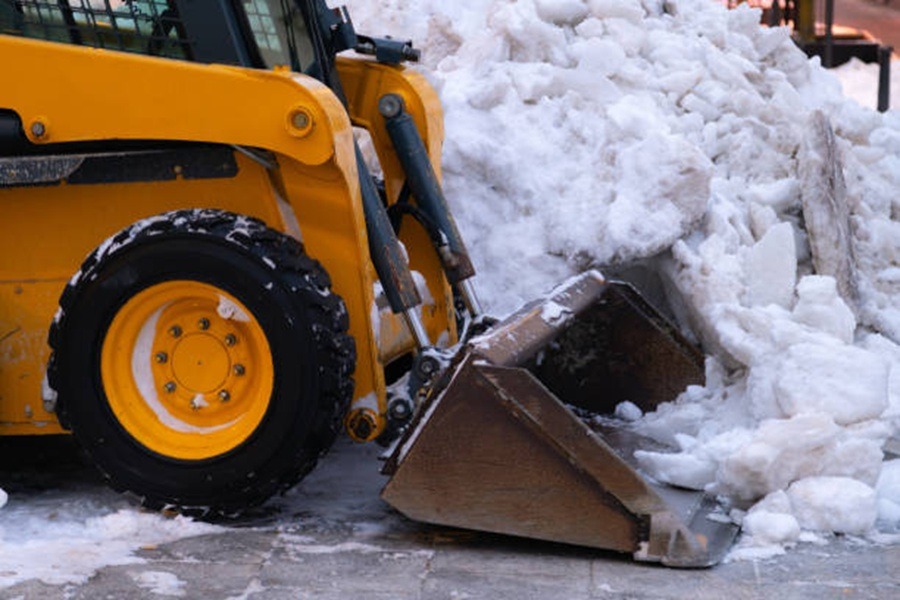
The Importance of Professional Commercial Snow Removal Services
Winter weather can create significant challenges for commercial properties, and snow accumulation is one of the most pressing concerns. Professional commercial snow removal services provide a proactive solution to ensure the safety, accessibility, and functionality of these properties throughout the winter season. Ignoring or improperly managing snow removal can lead to serious consequences for businesses, employees, and customers alike.
Ensuring Safety for Employees and Customers
- Clearing sidewalks and entryways to maintain safe access.
- Removing ice buildup that leads to hazardous walking conditions.
- Applying deicing agents to prevent surfaces from freezing again.
This preventative approach not only protects individuals from injuries but also protects businesses from potential liability claims due to accidents on their premises.
Avoiding Operational Disruptions
- Delayed deliveries or shipments.
- Reduced customer traffic due to inaccessible parking areas.
- Difficulty for employees commuting to work.
By hiring a professional team trained in efficient snow removal techniques, businesses can keep their operations running smoothly even during harsh winter weather.
Protecting Property Infrastructure
- Excessive weight from accumulated snow may cause structural stress on roofs or awnings.
- Ice buildup on driveways or sidewalks can lead to cracks and long-term surface damage.
- Plowing without the right equipment might harm landscaping elements like curbs or green areas.
Professional services use specialized equipment designed to clear snow effectively without causing unnecessary wear and tear on property surfaces.
Compliance with Local Regulations
Many municipalities have strict ordinances regarding timely snow removal around commercial properties. Non-compliance could result in fines or penalties. A professional snow removal service ensures your business adheres to these regulations by providing prompt clearing of public-facing areas such as sidewalks and entrances.
Saving Time and Resources
Attempting to manage snow removal in-house requires purchasing equipment like plows, shovels, and salt spreaders—not to mention dedicating employee hours toward labor-intensive tasks. Outsourcing this responsibility allows businesses to focus on core operations while leaving the challenges of winter weather management in expert hands.
| Key Advantages | Professional Services Provide |
| Safety | Risk reduction through proper clearing techniques |
| Accessibility | Ensured paths for employees, customers, and deliveries |
| Equipment Expertise | Use of appropriate tools without damaging property |
| Cost Efficiency | Avoiding fines and reducing potential liability claims |
By prioritizing professional commercial snow removal services, businesses not only protect their physical assets but also demonstrate their commitment to customer convenience and employee well-being during inclement weather conditions.
The Challenges of Snow for Businesses
Snow and icy conditions pose numerous challenges for commercial properties, ranging from operational disruptions to safety risks. For businesses, these hurdles can have both short-term impacts, such as loss of revenue, and long-term consequences, like liability issues or reputational harm. It is essential for business owners and property managers to fully understand these challenges in order to proactively address them.
Operational Disruptions
Severe winter weather can bring commercial activities to a halt if not managed properly. Common operational challenges include:
– Access Blockage: Accumulated snow can block entryways, parking lots, loading docks, and walkways, making it difficult or impossible for employees, customers, and suppliers to access the premises.
– Delayed Deliveries: Snow-covered roads often cause delays or cancellations of deliveries that businesses rely on for daily operations.
– Reduced Foot Traffic: Retail establishments in particular may see a significant drop in customers due to dangerous conditions on sidewalks or parking areas.
For businesses already operating on tight schedules or margins, these disruptions can be costly.
Safety Hazards
Snow and ice create dangerous conditions that pose risks to both employees and visitors. Key safety hazards include:
– Slips and Falls: Icy walkways, stairs, ramps, and parking lots increase the likelihood of accidents that could lead to injuries or even lawsuits against the property owner. According to the National Safety Council (NSC), falls are one of the leading causes of workplace injuries during winter months.
– Traffic Collisions: Poorly cleared driveways or parking lots can lead to vehicle accidents on-site—another liability concern for property owners. – Inadequate Fire Exits: Snow accumulation around emergency exits can obstruct escape routes during emergencies.
Increased Liability Risks
Failing to address snow-related hazards puts businesses at legal risk. If someone is injured as a result of negligence—such as an unshoveled walkway—property owners may face costly lawsuits. Additionally: – Noncompliance with local snow-removal ordinances could lead to fines. – Insurance claims related to winter accidents may result in higher premiums over time.
Reputational Damage
A poorly maintained property reflects negatively on a business’s reputation. Customers might associate an inability to handle adverse weather with poor management practices overall: – Retailers risk losing loyal customers who opt for safer alternatives. – Office buildings with unsafe conditions may deter clients from visiting.
The Importance of a Timely Response
One final challenge posed by snow is its time sensitivity; delays in clearing snow only worsen the problems mentioned above. Snow that isn’t removed promptly compacts into ice layers that are harder—and costlier—to clear while increasing risks significantly.
By understanding these challenges early on and implementing professional snow removal plans tailored to their needs, businesses can mitigate risks effectively while ensuring smooth operations throughout winter months without jeopardizing safety or reputation.
The Frequency of Snow Removal
Regular and consistent snow removal is critical for maintaining safety, accessibility, and operational efficiency in commercial properties. Unlike residential areas, commercial spaces often experience higher foot and vehicle traffic, making it essential to stay ahead of snow accumulation. Understanding when and how often snow removal should occur can save businesses from potential liabilities, lost revenue, and disruptions. Below are key considerations regarding the frequency of snow removal for commercial properties.
Factors Influencing Snow Removal Frequency
- Local Weather Patterns
Businesses based in regions with heavy snowfall or lake-effect snow will require more frequent service than those in milder climates. Monitoring meteorological updates can help determine when snow accumulations are likely to impact operations. - Nature of the Property
Large parking lots, entryways, loading docks, sidewalks, and outdoor walkways require different levels of maintenance. For example: - Retail stores may need sidewalks cleared multiple times a day to ensure customer safety.
- Warehouses or industrial sites may prioritize clearing areas around loading docks or delivery zones.
- Operational Hours
Commercial properties with extended or round-the-clock operations (e.g., hospitals or logistics hubs) will often require more frequent attention compared to businesses with standard operating hours.
Best Practices for Scheduling
- Pre-Treatment Before Storms
Proactive measures such as salting or applying de-icers before storms can reduce the accumulation of ice and make subsequent snow removal more efficient. - During Heavy Storms
For areas with continuous snowfall over several hours, it’s advisable to schedule interim removals throughout the storm rather than waiting until it fully subsides. This prevents dangerous buildup and reduces strain on removal equipment. - Post-Storm Clean-Up
After a storm has passed, ensure all remaining accumulations are cleared thoroughly from high-priority areas like entrances, exits, emergency pathways, and ADA-compliant routes.
Creating a Snow Removal Calendar
Developing a customized calendar for your business can streamline the process while reducing stress during peak winter months. Consider incorporating: – A list of high-priority zones based on customer/employee access needs. – Specific thresholds for action (e.g., plowing when accumulation exceeds two inches). – Contingency plans for extreme conditions like blizzards.
| Weather Condition | Recommended Action | Example Frequency |
| Light Flurries | Spot treatments with salt/deicers | As needed |
| Moderate Snowfall | Plowing once every few hours | Every 3–6 hours |
| Heavy Storm Conditions | Ongoing plowing & salting | Continuous monitoring |
Maintaining Consistency
Consistency in service is key to avoiding hazards such as black ice formation or uneven surfaces from partial clearing efforts. Partnering with a professional company that offers routine inspections during winter months ensures no unexpected delays occur due to missed visits.
By aligning your frequency of snow removal with local conditions and operational priorities, you can reduce risks while enhancing safety standards across your property year-round—especially during winter’s unpredictable nature.
The Benefits of Commercial Snow Removal
A professional snow removal plan offers tangible benefits for businesses, particularly those managing commercial properties. Beyond maintaining a clean and safe environment, partnering with an expert snow removal service helps protect your business’s reputation, reduces liability risks, and ensures smooth operations during winter months. Below, we’ll explore several key benefits in detail.
Enhanced Safety for Employees and Customers
- Prompt clearing of snow: Reducing the likelihood of slips and falls on icy surfaces.
- De-icing treatments: Preventing re-freezing of melted snow that could create dangerous black ice.
- Well-maintained access points: Guaranteeing that employees and customers can enter and exit the property safely.
By addressing these safety concerns proactively, businesses limit workplace injuries while improving customer trust.
Reduced Liability Risks
- Many services provide detailed logs of their work (e.g., when snow was removed or when de-icing occurred), which can serve as documentation if legal issues arise.
- A reliable team ensures compliance with relevant municipal codes for snow removal timelines.
Business Continuity
- Uninterrupted traffic flow: Clear parking lots allow employees, deliveries, and customers to reach your business without delays.
- Timely service scheduling: Services often work during off-hours (e.g., early mornings) to ensure properties are ready for peak business hours.
- Customizable options: Plans tailored to your specific needs ensure areas like loading docks or priority entrances receive attention first.
This level of preparedness allows businesses to maintain productivity regardless of weather conditions.
Improved Aesthetic Appeal
- Neat and consistent clearing that shows attention to detail.
- Prevention of unsightly piles of compacted snow that can block visibility or take away from the property’s appearance.
Keeping the exterior attractive signals professionalism even in harsh weather.
Cost Efficiency Over Time
| DIY Snow Removal | Professional Service |
| Requires purchasing/maintaining equipment like shovels or plows | Uses advanced tools designed for efficient large-scale clearing |
| May incur higher labor costs for staff overtime | Offers predictable pricing through seasonal contracts |
| Risk of inconsistent results due to lack of expertise | Provides dependable performance by trained professionals |
By outsourcing this responsibility, businesses avoid hidden costs associated with improper techniques or delays caused by insufficient resources.
Professional commercial snow removal delivers measurable advantages across safety, operational efficiency, aesthetics, financial planning, and risk management—all critical components that directly impact a company’s success during winter months.
Finding the Right Commercial Snow Removal Service
Choosing the right commercial snow removal service is critical to ensuring your property remains safe, accessible, and operational during winter months. With so many options available, it’s essential for businesses to evaluate potential providers carefully. Below are practical steps and key considerations to help you identify the best fit for your needs.
Assess Your Property’s Needs
Before seeking professional services, evaluate the specific snow removal requirements of your property:
– Property Size: Consider the total area that will need clearing, including parking lots, sidewalks, entryways, and loading docks. Larger areas may require specialized equipment or multiple service visits. – High-Traffic Zones: Identify areas with heavy foot or vehicle traffic that need consistent attention for safety and accessibility. – Special Features: Account for unique features like decorative landscaping, uneven surfaces, or outdoor staircases that require extra care.
Creating a detailed list of these needs will help narrow down providers who have expertise in handling properties similar to yours.
Verify Credentials and Experience
Not all snow removal companies are created equal. Seek out those with proven experience in commercial properties by doing the following:
– Ask About Past Projects: Request examples of similar properties they’ve handled successfully. Case studies or references from businesses in your industry can provide valuable insight.
– Confirm Licenses and Insurance: Ensure the company has proper certifications and liability insurance to protect your business in case of accidents or damages during service.
– Check Memberships: Look for affiliations with industry organizations like SIMA (Snow & Ice Management Association), which demonstrates a commitment to professionalism and ongoing training.
Evaluate Equipment and Technology
The quality of a snow removal provider’s tools can significantly impact efficiency. Ask about their equipment inventory and maintenance practices: – Do they use advanced machinery capable of handling large-scale snow accumulation?
– What deicing products do they use, and are they eco-friendly?
Providers using well-maintained equipment are less likely to experience delays due to mechanical breakdowns during storms.
Understand Their Service Plans
Different companies offer varying levels of service—understanding what’s included in their snow removal plans is crucial:
| Service Feature | Questions to Ask |
|———————-|———————————————————-|
| Response Time | How quickly will they address snowfall after it occurs? |
| Monitoring | Do they actively monitor weather forecasts? |
| Seasonal Contracts | Are seasonal rates available for budget predictability? |
Additionally, ensure there is clarity on services like plowing versus salting/deicing—or whether additional charges apply for particularly heavy storms.
Prioritize Communication
Strong communication is a hallmark of a reliable service provider. During your evaluation process: – Gauge how responsive they are during inquiries—timely replies signal reliability. – Confirm there’s a clear point-of-contact available around-the-clock during severe weather events.
Effective communication ensures you’ll be informed about scheduling adjustments or potential delays due to extreme conditions.
By thoroughly vetting potential providers based on these criteria, you can establish a reliable partnership that keeps your property safe while minimizing winter-related disruptions.
Finding the Right Commercial Snow Removal Service
Choosing the right commercial snow removal service is critical for ensuring operational continuity, safety, and compliance during the winter months. With so many providers available, it’s essential to evaluate them based on specific criteria to secure a reliable and effective partner for your business needs. Below is a step-by-step approach to finding the right service provider.
Identify Your Business Needs
Before reaching out to service providers, outline your specific snow removal requirements:
– Property Size and Layout: Assess whether the property includes large parking lots, driveways, sidewalks, or entryways that require clearing.
– Frequency of Service: Determine how often snow removal will be needed based on your location’s weather patterns.
– Scope of Services: Decide if you need additional services such as salting, sanding, or hauling away excess snow.
A detailed understanding of your business needs will help narrow down suitable options.
Research Potential Providers
Not all commercial snow removal companies are created equal. Conduct research by:
– Checking online reviews and testimonials from other businesses in your area.
– Asking for references from similar-sized businesses or industries.
– Verifying their experience in handling properties with comparable challenges (e.g., steep driveways or high foot traffic).
Beware of companies without an established track record or those unable to provide references.
Evaluate Their Equipment and Resources
Professional-grade equipment plays a critical role in efficient snow removal during heavy storms. Ensure that prospective providers have access to tools such as:
– Plow trucks capable of clearing large areas quickly.
– Snowblowers for narrower spaces like sidewalks and entry paths.
– Salt spreaders for ice management before and after snowfall events.
Additionally, inquire about their backup resources in case of equipment failure during peak demand periods.
Confirm Certifications and Insurance Coverage
Working with a certified company ensures compliance with local regulations regarding snow removal practices:
– Ask if they are licensed to operate within your city or state.
– Verify that they carry liability insurance, protecting you from legal responsibility in case of accidents caused during their operations.
Insurance coverage should also include worker’s compensation for their employees.
Consider Response Time and Availability
Timely service is essential when dealing with unexpected snowfall or blizzards:
– Ask about their response times after a storm begins—will they arrive within hours?
– Confirm their availability during weekends, holidays, or overnight storms when immediate attention may be necessary.
Reliable providers often offer 24/7 services to ensure businesses remain operational and safe at all times.
Review Contract Terms Carefully
Before signing an agreement, review the contract thoroughly:
| Key Contract Elements | Questions to Ask |
|————————————-|——————————————————————-|
| Pricing Structure | Are there flat rates or per-occurrence fees? |
| Service Expectations | What specific tasks are included (plowing vs salting)? |
| Cancellation Policies | What happens if you need to terminate early? |
| Emergency Protocols | How do they handle unanticipated severe weather events? |
Ensure clarity on every aspect of service delivery before committing.
Prioritize Communication
Strong communication ensures seamless collaboration between your business and the provider: – Look for companies that offer clear points of contact (e.g., account managers).
– Confirm how updates will be provided—text alerts or emails?
Reliable communication channels make it easier to handle unforeseen circumstances efficiently.
By following these steps diligently, you can select a commercial snow removal partner that meets operational demands while safeguarding your property throughout winter months.
Finding the Right Commercial Snow Removal Service
Selecting the right commercial snow removal service is crucial to ensuring the safety, accessibility, and efficiency of your property throughout the winter months. An informed decision can save your business time, reduce liability, and ultimately protect your bottom line. Below are key factors to consider when choosing a professional snow removal service that aligns with your needs.
Evaluate Their Experience and Expertise
- Industry-Specific Experience: Look for providers with proven expertise in managing commercial properties similar to yours (e.g., office complexes, retail centers, or industrial sites).
- Years in Business: Companies with long-standing experience often have a better understanding of local weather patterns and the intricacies of snow removal logistics.
- Certifications or Accreditations: Verify if they hold relevant certifications from industry organizations (e.g., SIMA – Snow & Ice Management Association) that demonstrate professionalism and adherence to industry standards.
Assess Their Scope of Services
It’s essential to ensure that their services cover all potential winter needs for your property. Key services to look for:
– Plowing: Regular clearing of parking lots, driveways, and access roads.
– De-Icing: Application of salt or alternative materials on walkways and other surfaces.
– Snow Hauling: Services for relocating or removing large snow piles from the premises.
– Emergency Response: Availability during unexpected heavy snowfall events or storm surges.
Review Service Agreements Carefully
A detailed contract ensures both parties understand expectations. Important elements include:
– Pricing Structure: Is pricing based on per snowfall event, per inch of snow, or an all-inclusive seasonal rate? Choose what aligns with your budget predictability needs.
– Response Time Guarantees: Does the provider commit to clearing snow within a specific time frame? This is critical for maintaining uninterrupted business operations during winter storms.
– Liability Coverage: Confirm that they carry adequate insurance coverage in case damage occurs during snow removal efforts on your property.
| Aspect | What To Look For | Why It Matters |
| Pricing Structure | Transparent and fits budget | Avoids hidden fees or surprise costs |
| Response Time | Clear timelines after snowfall | Ensures operational continuity |
| Insurance | Proof of liability insurance | Protects you from potential damages |
Technology & Equipment Utilization
Modern technology can increase efficiency and improve outcomes in snow removal services: – Use of GPS tracking systems to monitor progress. – Advanced equipment like skid-steer loaders for tight spaces. – Eco-friendly deicing options that minimize environmental impact while keeping surfaces safe.
Check References & Client Reviews
Ask for references from other businesses they’ve worked with or look up online reviews: – How reliable are they when heavy storms hit? – Do they effectively communicate schedules and timelines? Positive feedback from other businesses is a strong indicator of dependability.
Prioritize Communication & Customization
Choose a provider who offers clear communication channels (e.g., phone support, email notifications) before and after storms. Additionally: – Opt for customizable plans tailored specifically to your property’s layout and foot traffic patterns.
By carefully evaluating these factors, you’ll be well-equipped to select a commercial snow removal service that not only addresses immediate needs but also provides consistent value across seasons.
Tags: