
The Ultimate Fall Lawn Care Checklist
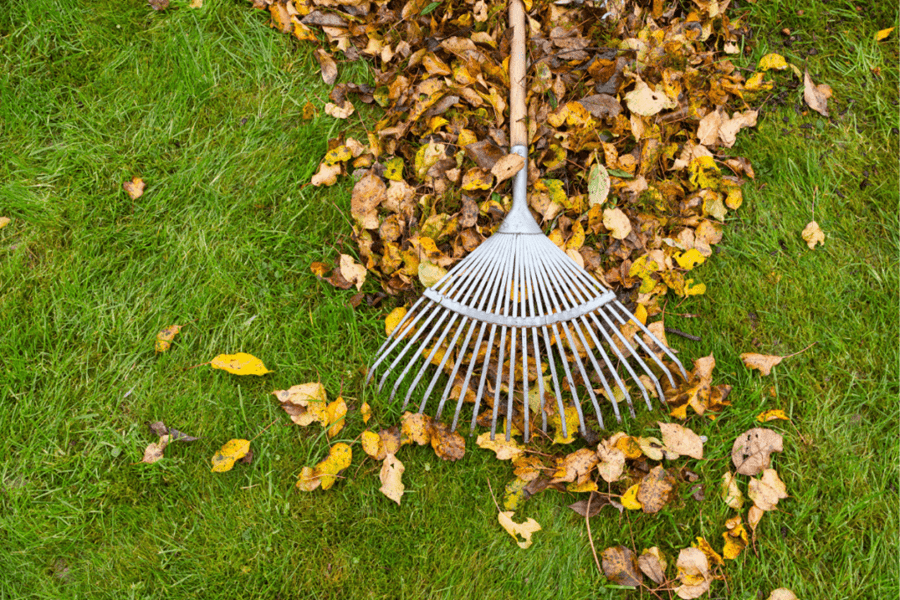
Preparing Your Lawn for Fall
As the summer heat fades and the crisp air of autumn rolls in, preparing your lawn for fall is crucial to maintain its health and vitality. Fall is an ideal time to set your yard up for success in the coming cooler months and ensure it thrives when spring returns. Proper preparation involves understanding the needs of your grass, addressing any existing issues, and taking proactive steps to bolster its resilience.
Assess Your Lawn’s Current Condition
Before diving into fall lawn care, take a moment to evaluate the current state of your lawn. Look out for:
– Bare or thin patches: These may indicate areas that need reseeding or additional attention.
– Weed growth: Identify invasive plants that could compete with grass during the growing season.
– Compacted soil: If water tends to pool in certain areas or grass struggles to grow uniformly, aeration may be necessary.
– Signs of pests or disease: Discolored patches, holes, or other irregularities could signal lawn health problems that should be addressed before winter.
Adjust Mowing Practices
Proper mowing is essential as temperatures cool down and growth slows. Here’s how you can optimize mowing for fall:
– Gradually lower the cutting height of your mower by about 1 inch over several weeks as fall progresses—shorter grass helps avoid matting under leaves while preventing mold growth.
– Avoid cutting more than one-third of the grass height at a time to prevent stress on your lawn. – Keep mower blades sharp to ensure clean cuts instead of tearing grass blades, which can make them susceptible to disease.
Water Smartly
While there’s typically less evaporation in fall than during summer months, watering remains important:
– Aim for about 1 inch of water per week (including rainfall) until temperatures drop consistently below freezing. – Water early in the morning so moisture has time to soak into the soil without lingering overnight, which can lead to fungal issues.
| Grass Type | Ideal Mowing Height (Fall) | Recommended Watering Frequency |
| Cool-season grasses (e.g., Kentucky bluegrass) | 2–2.5 inches | Weekly until frost occurs |
| Warm-season grasses (e.g., Bermuda) | 1–2 inches | Reduce gradually as growth slows |
Aerate Your Lawn
Aeration helps loosen compacted soil and improves airflow around roots—a crucial step if your lawn experienced heavy foot traffic during summer. Consider renting a core aerator or hiring a professional service if you have a large yard.
Key benefits of aerating include:
– Enhanced root development by providing better access to oxygen and nutrients. – Improved water infiltration. – Reduced risk of thatch buildup—this layer can suffocate roots if left unchecked.
For best results: – Perform lawn aeration early-to-mid fall while cool-season grasses are still active. – Follow up with overseeding and fertilization for even better results (more about these steps in upcoming sections).
Clear Debris
Finally, remove any debris such as twigs or branches from your yard before tackling leaf management later in the season. A clean surface ensures sunlight reaches all parts of your lawn while preventing wet spots that could attract pests or diseases.
By following these initial preparations, you’ll create an excellent foundation for further steps like fertilization and pest control later in your seasonal routine.
Step-By-Step Guide on Preparing Your Lawn for Fall
1. Assess Your Lawn’s Current Condition
Before diving into any tasks, take some time to evaluate the state of your lawn:
– Grass Health: Check for brown patches, thinning areas, or signs of disease.
– Soil Condition: Consider testing your soil’s pH and nutrient levels using a soil test kit. Healthy soil is crucial as it supports strong root development.
– Weed Presence: Identify and map out areas overtaken by weeds so you can address them effectively before they spread further.
2. Clear Debris and Tidy Up
To create an ideal environment for lawn care treatments: – Remove branches, sticks, or any other debris from the yard. – Rake up thick layers of thatch (dead grass build-up) that could prevent water and nutrients from reaching the roots. – If necessary, aerate compacted areas to allow better air circulation in the soil.
3. Adjust Mowing Practices
Transitioning into fall requires adjusting how you mow:
| Task | Recommendation |
|———————|——————————————–|
| Blade Height | Set mower blades slightly lower than summer settings to encourage sunlight penetration but avoid scalping the grass entirely (typically leave about 2–3 inches). |
| Frequency | Continue mowing regularly until growth slows down but avoid cutting too much at once—only remove one-third of grass height per mow.|
Regular mowing ensures that fallen leaves don’t accumulate excessively on tall grass, which can suffocate your lawn.
4. Aerate if Needed
Aerating involves creating small holes in the ground, allowing water, oxygen, and nutrients to penetrate deeper into the soil: – This is especially useful if you notice compacted areas where rainwater pools instead of soaking in. – Use either a manual aerator or rent a machine if dealing with large turf areas.
Aeration also helps break up thatch layers and prepares your lawn for receiving fertilizers or seeds more effectively.
5. Apply Seasonal Fertilizer
Fall is an excellent time to feed your grass with fertilizers rich in nitrogen and potassium: – Nitrogen promotes vibrant green growth while potassium strengthens roots ahead of winter dormancy. – Use slow-release formulas designed specifically for fall application.
Timing is key—apply fertilizer after aerating but before seeding (if overseeding).
6. Overseed Thin Areas
For lawns with thinning spots or bare patches: 1. Reseed these areas using cool-season grasses suited to fall planting. 2. Loosen soil in those patches before spreading seed evenly. 3. Water consistently but lightly during germination until seedlings become established.
7. Water Strategically
As temperatures drop during fall, adjust watering habits accordingly: – Water deeply but less frequently compared to summer routines. – Aim for early morning watering sessions so excess moisture evaporates during daylight hours.
By following this structured approach step-by-step, you’ll provide your lawn with everything it needs to remain healthy through fall and set it up for success come springtime without over-complicating things unnecessarily.
Fertilizing for Fall
Fertilizing your lawn in the fall is one of the most important steps to ensure a healthy, lush yard come spring. As summer winds down, your grass begins transitioning from active growth to storing nutrients for the colder months ahead. Fall fertilization provides essential nutrients that strengthen roots and support this natural process. Here’s everything you need to know about fertilizing during this season.
Why Fertilize in Fall?
- Replenish Nutrients: Summer heat and frequent mowing often deplete the soil of essential nutrients. Fertilizer restores these nutrients and fosters recovery.
- Encourage Root Growth: Cool-season grasses focus on root development in autumn. Feeding them now makes their root systems stronger and more resilient.
- Prepare for Winter Stress: A well-fed lawn is better equipped to survive freezing temperatures, snow, and frost.
- Boost Spring Growth: The nutrients applied in fall will be stored in your lawn’s roots, fueling vibrant green growth when warmer weather returns.
Choosing the Right Fertilizer
Selecting the right fertilizer blend is vital for optimal results. Look for a product labeled as a fall or winter fertilizer, as these are specially formulated with reduced nitrogen levels and higher potassium content.
Here’s what to focus on: – Nitrogen (N): Promotes green growth but should be applied sparingly in fall to avoid excessive top growth. – Phosphorus (P): Supports root development but may not always be necessary if your soil already contains sufficient phosphorus (test your soil if unsure). – Potassium (K): Strengthens grassroots, improves disease resistance, and enhances cold tolerance.
A common fall fertilizer ratio is 10-20-10 or similar formulations suited for root health over blade growth.
Timing Your Application
When it comes to fertilizing, timing matters: 1. Apply fertilizer roughly 4–6 weeks before the first expected frost date in your area. 2. The ideal time is early-to-mid-fall when grass is still actively growing but temperatures have started cooling down. 3. Water thoroughly after application to help nutrients penetrate into the soil.
Tips for Applying Fertilizer
Follow these best practices for effective results: – Mow your lawn before applying fertilizer—this ensures that more granules reach the soil surface instead of sticking to taller blades. – Use a broadcast spreader or drop spreader for even application across your yard. – Avoid over-fertilizing; too much nitrogen can stress both warm-season and cool-season grasses. – Don’t apply fertilizer near waterways or hard surfaces like sidewalks where runoff could cause environmental harm.
| Step | Details |
| Test Soil | Conduct a soil test beforehand to determine nutrient needs and pH levels. |
| Choose Type | Select a slow-release granular fertilizer suitable for fall application. |
| Apply Evenly | Use a calibrated spreader; avoid creating concentrated patches of fertilizer. |
| Water Lawn | Lightly water after application so nutrients can seep into the soil effectively. |
Organic vs Synthetic Fertilizers
You can choose between organic fertilizers like composted manure or synthetic ones depending on your preferences: – Organic Options: Provide slow-releasing nutrients while improving soil structure over time (e.g., bone meal, fish emulsion). – Synthetic Options: Offer precise nutrient ratios and quicker results but may require careful handling to prevent overuse.
By fertilizing thoughtfully in autumn, you’ll help your lawn store energy efficiently while promoting healthier roots and ensuring a head start on lush springtime growth.
Why Fall Fertilization Matters
- Strengthens Roots: Grass stores energy during fall, making strong root systems crucial for surviving winter.
- Promotes Growth: Nutrient-rich soil supports better growth once spring arrives.
- Weed Prevention: A healthy, dense lawn is less susceptible to invasive weeds.
Choosing the Right Fertilizer
| Nutrient | Purpose | Recommended Percentage in Fall Fertilizer |
| Nitrogen (N) | Encourages blade growth and color | 10-20% |
| Phosphorus (P) | Aids in root development | 5-10% |
| Potassium (K) | Improves disease resistance and durability | 10-15% |
Always check your soil nutrient levels with a soil test before applying fertilizer, as it helps you tailor your choice based on what your lawn truly needs.
When to Fertilize
Timing is critical when fertilizing in fall. Follow these guidelines: – Apply fertilizer approximately 6 to 8 weeks before the first hard frost of the season. – Plan for two applications: one in early fall (September/October) and another just before winter dormancy sets in (late October/early November).
The second application is often referred to as “winterizer” fertilization since it prepares grass for overwintering by fortifying root systems.
How to Apply Fertilizer
Proper application ensures even coverage across your lawn without waste or damage: 1. Mow First: Cut the grass slightly shorter than usual but avoid scalping. 2. Water Lightly: Lightly water your lawn before applying fertilizer; moist soil helps nutrients penetrate more effectively. 3. Use a Spreader: Invest in a broadcast or drop spreader for uniform coverage. 4. Follow Instructions: Read product labels carefully to avoid over-fertilizing, which can burn grass or harm nearby plants.
Organic vs Synthetic Fertilizers
Both organic and synthetic fertilizers have advantages: – Organic Options: Compost, manure, or natural blends enrich the soil over time and are environmentally friendly. – Synthetic Options: These work faster because they deliver readily available nutrients but can risk runoff if overused.
Consider blending both types for long-term benefits—synthetic fertilizers offer immediate improvement while organics improve soil health gradually.
Tips for Maximizing Results
- Avoid fertilizing frozen ground; nutrients won’t absorb properly into dormant soil.
- Water deeply after applying fertilizer unless rain is forecasted within 24 hours.
- Keep fertilizer off sidewalks or driveways to prevent runoff into waterways.
By incorporating proper fertilization practices into your fall lawn care routine, you’ll lay down an excellent foundation for a thriving yard come springtime.
Pest and Weed Control
As the cooler months set in, pests and weeds may try to take advantage of your lawn’s transition into dormancy. Fall is a critical time to address these issues, ensuring your lawn stays healthy and ready for the next growing season. Proper pest and weed management not only protects your yard but also sets the stage for a lush, vibrant lawn when spring returns.
Common Fall Lawn Pests and How to Manage Them
- Grubs: These beetle larvae feed on grass roots, causing patches of dying grass.
- Solution: Apply a grub control treatment early in fall if you notice damage.
- Tip: Look for products containing chlorantraniliprole or other grub-specific insecticides.
- Armyworms: These pests feed on grass blades, leaving behind bare spots.
- Solution: Use biological controls like beneficial nematodes or apply an insecticide labeled for armyworms.
- Mole crickets: These burrowing insects damage grass roots and create tunnels.
- Solution: Spot-treat affected areas with targeted pesticides or traps.
Regularly inspecting your lawn for pest activity can help you catch problems early before they escalate.
Weed Control Strategies
Fall is an ideal time to tackle persistent weeds that could compete with your lawn’s growth in the spring. Addressing weeds before they go dormant ensures they don’t return stronger next year.
- Best for tackling existing weeds like dandelions, clover, and chickweed.
- Spot-treat problem areas instead of applying herbicide across the entire yard to minimize chemical use.
- These prevent winter annual weeds such as henbit and poa annua from germinating.
- Timing is key—apply pre-emergents early in fall before weed seeds sprout.
- For smaller infestations or eco-friendly management, manually remove weeds by pulling them up by the root.
- Always use gloves to avoid direct contact with any sap that might irritate skin.
| Weed Type | Best Treatment Option | Timing |
| Broadleaf Weeds | Post-emergent herbicide | Early-to-late fall |
| Winter Annual Weeds | Pre-emergent herbicide | Early fall |
| Persistent Perennials | Manual removal + spot treatment | Throughout fall |
Lawn Care Best Practices To Discourage Pests and Weeds
- Mow at the right height (2.5–3 inches) to keep grass strong enough to smother competing weeds while discouraging pests.
- Keep your soil aerated; compacted soil creates conditions ideal for both pests and invasive plants.
- Water deeply but infrequently so grass develops deep roots—this makes it harder for pests like grubs or mole crickets to thrive.
- Remove dead leaves promptly; thick leaf layers can harbor insects and smother your grass, promoting fungal diseases instead of healthy growth.
Taking preventative steps now will ensure fewer problems when warmer weather returns, saving you time—and potentially money—down the road.
Identifying Common Fall Lawn Pests
- Grubs: These larvae feed on grass roots, causing yellowing patches that can lead to dead spots.
- Armyworms: These pests consume grass blades quickly and can devastate a lawn if left unchecked.
- Chinch Bugs: Although they are more prominent in summer, chinch bugs may still cause damage in early fall.
Signs of pest activity include discolored patches, thinning turf, or areas of grass that pull up easily due to weakened roots.
Managing Lawn Pests Effectively
- Inspect Regularly: Look for signs of damage like brown patches or chewed blades.
- Use Natural Solutions: Beneficial nematodes or milky spore powder can help control grubs without harming the environment.
- Apply Targeted Treatments:
- Use pest-specific pesticides if infestations are severe.
- Always follow label instructions for safe application.
- Keep Grass Healthy: A thick, healthy lawn is less susceptible to pest invasions:
- Mow at the proper height (around 2-3 inches for most grasses).
- Water deeply but infrequently.
Pre-Emergent Weed Control
- Apply a pre-emergent herbicide early in the season to prevent weed seeds from germinating.
- Ensure proper timing: Late September to early October works best in most climates.
Post-Emergent Weed Control
- Use post-emergent herbicides on actively growing plants.
- Apply products on calm days with no rain forecasted within 24 hours.
Manual Removal
For small infestations or isolated weeds: – Pull weeds by hand or use a weeding tool for deep-rooted varieties. – Remove them before they set seed to minimize future growth.
| Fall Weed Management Tips | Best Practices |
| Timing | Apply treatments in early-to-mid-fall before frost |
| Proper Application | Follow label instructions carefully |
| Target Specific Weeds | Use herbicides designed for your specific weed type |
Preventative Measures
- Aerate the Soil: Compacted soil makes it easier for weeds to take over while stressing grass roots that resist pests.
- Fertilize Appropriately: A healthy, nourished lawn competes better against weeds and recovers more quickly from pest damage.
- Remove Debris Promptly: Piles of leaves or grass clippings create moist environments where pests thrive.
By addressing pests and weeds strategically now, you’ll safeguard your lawn’s health through winter while reducing potential issues next growing season. A proactive approach ensures your yard remains lush and resilient year-round—ready to thrive when spring arrives.
Identify Common Fall Lawn Pests
- Grubs: These beetle larvae feed on grass roots, causing brown patches.
- Armyworms: Known for their rapid feeding, they can create visible damage almost overnight.
- Chinch Bugs: These tiny insects suck nutrients from grass blades, leading to yellowing or browning.
Inspect your lawn regularly for signs of pest activity, such as bare spots, wilting grass, or chewed blades.
Preventive Pest Control Measures
- Aerate the Lawn: Compacted soil encourages pests by creating an environment where they can thrive. Aeration loosens the soil and disrupts their habitat.
- Remove Thatch: Excessive thatch provides a breeding ground for insects. Rake your lawn to keep it clean and reduce hiding spots for pests.
- Use Natural Predators: Encourage beneficial insects like ladybugs or nematodes that feed on harmful pests while being harmless to your grass.
For severe infestations, consult a professional who can recommend eco-friendly insect control solutions that won’t harm surrounding plants or animals.
Tackling Fall Weeds
Fall is an ideal time because most weeds are still actively growing but not yet mature enough to seed heavily.
Weed Management Strategies
- Apply Pre-Emergent Herbicides: These prevent weed seeds from germinating without affecting established grass.
- Spot-Treat Broadleaf Weeds: Use post-emergent herbicides directly on visible weeds like clover or dandelions rather than applying chemicals across the whole lawn.
- Mow at Proper Height: Taller grass shades out weed seedlings by limiting their access to sunlight.
- Overseed Bare Areas: Fill any sparse patches with new grass seed to discourage weeds from taking over open spaces.
Organic Alternatives
- Try applying corn gluten meal as a natural pre-emergent treatment—it inhibits seed germination while also acting as a mild fertilizer.
- Hand-pulling larger weeds ensures complete removal of roots without disturbing existing turfgrass growth.
Monitoring Results Over Time
Both pest and weed control require consistent observation throughout fall. Regularly monitor treated areas for improvement and reapply measures where necessary. Maintaining strong cultural practices—like proper mowing height, watering schedules, and fertilizing—helps discourage future infestations naturally by promoting vigorous turf growth.
By addressing both pests and weeds now, you’re setting the stage for healthier lawns come springtime while reducing overall maintenance efforts down the line.
Tags: