
How to Protect Trees and Shrubs From Winter Freeze Damage
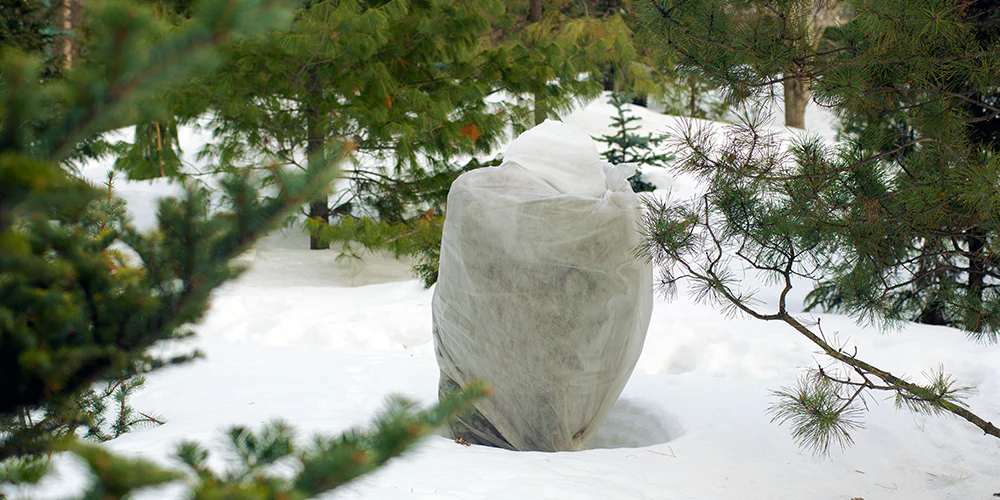
How to Protect a Shrub From Frost
Protecting shrubs from frost is essential for ensuring their survival and health through the colder months. Frost can damage plants by causing water in their cells to freeze, resulting in cell rupture and eventual leaf, branch, or root damage. By taking proactive steps, you can safeguard shrubs against frost damage effectively.
Understanding Frost Risk
Before diving into protective measures, it’s important to understand when frost typically occurs and how it impacts shrubs: – Types of Frost:
– Light Frost: Occurs when temperatures hover just below freezing (32°F or 0°C). Some hardy shrubs can tolerate this.
– Hard Frost: Happens at temperatures well below freezing (28°F or -2°C). This can cause significant damage to vulnerable plants. – Weather Indicators: Clear nights with little wind are prime conditions for frost formation. Use local weather reports to monitor temperatures closely.
Preparing Shrubs for Frost Protection
Preparation plays a crucial role in minimizing frost damage: 1. Select Hardy Varieties: If you’re choosing shrubs for your garden, opt for species native to cooler climates or those specifically labeled as frost-resistant. 2. Water Before Freezing Temperatures: Well-hydrated soil retains heat better than dry soil, helping insulate roots against sudden drops in temperature. 3. Mulch Application:
– Spread a layer of organic mulch (e.g., wood chips, straw) around the base of the shrub. – Mulch helps regulate soil temperature by trapping heat and preventing rapid fluctuations.
Covering Shrubs Effectively
When frost is imminent, physical barriers provide the most reliable protection: – Frost Cloths and Blankets: Specialized fabrics like burlap or frost cloths are ideal for covering shrubs because they allow air circulation while trapping heat. – DIY Options: Old sheets, lightweight tarps, or even cardboard boxes can serve as temporary covers if commercial products aren’t available. – How to Cover Properly: – Ensure the cover extends all the way to the ground to trap warmth rising from the soil. – Use stakes if necessary to prevent material from directly touching leaves and branches (especially if wet conditions are expected).
| Material | Pros | Cons |
| Burlap | Breathable; reusable | Requires proper storage |
| Frost Cloth | Lightweight; designed for plants | May need securing with clips |
| Bedsheets | Readily available | Limited insulation |
Timing Matters
Timing your protective efforts is key: – Drape covers over shrubs in late afternoon before temperatures drop significantly. – Remove covers during the day when temperatures rise above freezing and sunlight returns. Prolonged covering during daytime could lead to overheating or reduced access to light.
Long-Term Frost Protection Strategies
For consistent success year after year: 1. Position cold-sensitive shrubs near natural windbreaks like walls or fences that block cold winds. 2. Plant evergreens around vulnerable species; they act as insulators by reducing exposure to cold air currents. 3. Consider using protective wraps like horticultural fleece during prolonged frosty periods.
By understanding frost behavior and implementing these steps thoughtfully, you’ll be better equipped to protect your shrubs from winter’s harshest conditions while maintaining their health and beauty throughout the season.
What Is the Best Product to Cover Plants From Frost
Protecting plants from frost is essential to ensure their survival during cold winter nights. The right coverings can act as a barrier against freezing temperatures, minimizing damage. Choosing an appropriate product involves considering factors such as material, plant type, and severity of the frost. Below are various options for covering plants effectively, along with tips on how to use them.
Types of Frost Covers
- Lightweight and breathable material specifically designed for protecting plants.
- Allows sunlight and moisture to penetrate while insulating against cold.
- Reusable, durable, and available in different sizes.
- Common household items that provide good insulation for larger shrubs or trees.
- Must be secured properly to prevent them from blowing away.
- Avoid using heavy materials that could crush delicate foliage.
- Natural, breathable fabric that offers protection while allowing air circulation.
- Ideal for wrapping shrubs, particularly evergreen varieties.
- Provides moderate insulation without overheating the plant during sunny days.
- Waterproof material effective at blocking wind and frost.
- Should only be used with caution because plastic can trap moisture and lead to condensation damage if it touches the foliage directly.
- Always leave enough space between the plastic and plant by propping it up with stakes or supports.
- Sold at garden centers; designed specifically to protect plants from frost and low temperatures.
- Often come in pre-shaped forms like bags or cones for easy application over shrubs or small trees.
How to Use Frost Covers Effectively
- Anchor Covers Securely
Use rocks, bricks, stakes, or clips to hold covers in place during windy nights. This ensures they do not blow away and leave your plants exposed. - Avoid Direct Contact
Make sure the cover doesn’t rest directly on leaves or branches as this can cause damage during a freeze. Support structures like hoops or stakes create space between the cover and plant. - Cover Before Nightfall
Apply coverings in the late afternoon before temperatures drop significantly after sunset. - Remove When Necessary
Remove covers during the day if temperatures rise above freezing (32°F/0°C), especially if sunlight is strong. Prolonged coverage can trap heat and create conditions too warm for sensitive plants.
Comparing Coverage Products
| Material | Insulation Level | Breathability | Reusability | Cost |
| Frost Cloth | High | Excellent | High | Moderate |
| Bed Sheets/Blankets | Moderate | Good | Low | Low |
| Burlap | Moderate | Good | High | Moderate |
| Plastic Sheeting | High | Poor | Medium | Low |
| Thermal Plant Covers | Very High | Excellent | High | Higher Cost |
Additional Tips
- Use multiple layers of lightweight materials in areas where extreme cold is expected instead of one heavy layer that might suffocate your plant.
- Pay attention to weather forecasts so you’re prepared ahead of time when frosty conditions are imminent.
- For small potted plants, consider bringing them indoors overnight instead of relying on external covers alone.
By selecting high-quality materials suited to your needs and applying them correctly, you can give your trees and shrubs an excellent defense against frost damage throughout winter months.
What Is the Best Product to Cover Plants From Frost
Protecting plants from frost is essential to ensure their survival during cold months. Choosing the right product to shield your shrubs and trees from frost damage can make a significant difference in preserving their health. Below, we’ll discuss some of the most effective products and materials you can use for frost protection, highlighting their benefits and best practices for use.
Frost Cloths and Plant Blankets
Frost cloths and plant blankets are specifically designed for protecting plants from freezing temperatures. They are made of breathable, lightweight fabric that traps heat while allowing air circulation.
Benefits:
– Provides insulation without suffocating plants.
– Easy to drape over shrubs, trees, or potted plants.
– Reusable and long-lasting with proper care.
How to Use:
1. Drape the frost cloth directly over your plants or shrubs. 2. Secure the edges with stakes or rocks to prevent wind displacement. 3. Remove during daytime when temperatures rise above freezing to avoid overheating.
Burlap
Burlap is a natural material that offers effective protection against frost while being eco-friendly. It’s commonly used for wrapping shrubs or creating barriers around plants.
Benefits:
– Affordable and biodegradable material. – Protects against both frost and wind damage. – Allows some airflow while shielding plants from cold conditions.
How to Use:
– Wrap burlap loosely around your shrub or plant, ensuring it covers all exposed parts. – Use twine or clips to secure the burlap in place.
Garden Fabric (Row Covers)
Garden fabric, also known as row cover, is another excellent option for frost protection. This material is available in various thicknesses depending on the level of insulation required.
Benefits:
– Lightweight enough not to damage delicate branches. – Protects against pests in addition to providing freeze protection. – Can be left on for extended periods if desired.
How to Use:
1. Cover your plants with garden fabric, ensuring it reaches down to ground level. 2. Anchor it securely using soil staples or heavy objects.
Polyethylene Plastic Sheets (With Caution)
Plastic sheets can be used as a temporary solution for frost protection but require careful handling since improper use can harm plants.
Benefits:
– Provides an effective barrier against frost when used correctly. – Waterproof material prevents moisture contact with leaves during freezing temperatures.
Cautionary Notes:
– Always keep plastic elevated off plant foliage using stakes or frames; direct contact can lead to “freezer burn” on leaves. – Avoid leaving plastic covers during sunny days as they trap excessive heat.
Comparison Table: Best Frost Protection Products
| Product | Cost Efficiency | Ease of Use | Eco-Friendliness | Breathability | Durability |
| Frost Cloth | Moderate | Easy | High | Excellent | High |
| Burlap | Low | Moderate | Very High | Good | Medium |
| Garden Fabric | Moderate | Easy | High | Excellent | High |
| Plastic Sheets | Low | Moderate | Low | Poor without support | Medium |
Additional Tips While Using Covers:
- Always ensure the cover extends fully down to ground level; this traps radiant heat from the soil beneath the plant canopy.
- For larger shrubs or small trees, consider frameworks like hoops or stakes under covers to prevent contact between foliage and protective materials.
- Remove all coverings during prolonged warmer periods because excessive moisture buildup under wraps may encourage mold growth on foliage.
By selecting appropriate products and following recommended practices, you can effectively safeguard your trees and shrubs against winter’s harsh frosts without compromising their health or growth potential.
How to Protect Plants From Snow
Snow can be both a protective and damaging element for plants, depending on its weight and how it interacts with shrubs and trees. While a light layer of snow acts as insulation by trapping heat in the soil, heavy or wet snow can break branches, crush delicate plants, or damage roots. Effective protection from snow involves preventive measures, careful maintenance during winter, and post-snowfall attention.
Assess Vulnerable Plants
Not all plants are equally at risk from snowfall. Identify which ones need extra attention: – Evergreens: They tend to hold onto more snow due to their dense structure. – Young trees or saplings: Their trunks may not yet be strong enough to handle the weight of heavy snow. – Shrubs with soft branches: Hydrangeas or boxwoods are particularly prone to breaking under snow loads.
Use Protective Structures
Prevent significant damage from snow by erecting barriers or supports for your plants: – A-frame wooden structures: Simple wooden frames placed over smaller shrubs can help shed snow instead of letting it pile up. – Plant covers: Frost cloths or burlap wraps tied loosely around shrubs provide added support while still allowing airflow. – Snow fencing: Around larger areas like hedges, consider setting up a temporary fence that will block drifting snow.
Regular Maintenance During Snowfall
The way you care for your garden during a snowfall makes a significant difference: 1. Remove heavy snow buildup gently using a soft broom or gloved hands. Avoid shaking branches excessively as they become more brittle in freezing conditions. 2. Monitor vulnerable plants after each storm. Look for bending branches that may need temporary reinforcement with stakes or twine.
Prune Strategically Before Winter
Proper pruning in the fall helps reduce winter stress on your plants: – Eliminate dead or weak branches that are more likely to snap under pressure. – Thin out densely packed shrubs so interior foliage is less likely to trap large amounts of snow.
| Plant Type | Protection Strategy |
| Delicate shrubs | Cover with burlap loosely |
| Young trees | Stake trunks for extra support |
| Dense evergreens | Prune lightly before winter |
Post-Snow Damage Repair
Despite your best efforts, some damage from heavy snowfall may occur. Address this promptly: – Trim any cracked or broken branches as soon as possible to prevent disease entry points. – Upright bent branches carefully, tying them back into place if necessary.
By understanding how to prepare for and respond to snowy conditions, you can minimize harm while allowing plants to benefit from the insulating properties of light snowfall.
How to Protect Plants From Cold Conditions
Protecting plants from cold conditions is essential to ensure their survival and health during harsh winters. Cold temperatures can cause plant cells to freeze, disrupt root systems, and lead to long-term damage. There are several effective strategies to safeguard your trees, shrubs, and plants from the adverse effects of cold weather. Proper preparation and maintenance will ensure they emerge healthy when the temperatures rise again.
Assess Vulnerability of Your Plants
- Plant Type: Tropical or tender perennials are more sensitive than hardy evergreens or native plants.
- Location: Plants in exposed areas, like open fields or hilltops, face harsher conditions compared to those near buildings or windbreaks.
- Age: Young plants with underdeveloped root systems are often more vulnerable than mature ones.
Taking stock of the most vulnerable plants in your garden will help you prioritize protective measures.
Effective Cold Protection Methods
1. Mulching
- Use organic materials like shredded bark, straw (not bamboo straw), pine needles, or wood chips.
- Apply a 2–4 inch layer around the base of trees and shrubs but avoid direct contact with the trunk.
- Mulch helps retain soil moisture while acting as insulation against frost heaving.
2. Covering Plants
- Use frost blankets, burlap wraps, or old bedsheets during particularly cold nights.
- If covering large shrubs or small trees, construct a frame (e.g., stakes) around them before draping material to prevent direct contact.
- Remove coverings during sunny days to prevent overheating and allow airflow.
3. Watering Before Freezing Temperatures Strike
- Water plants deeply before a predicted frost event but avoid overwatering as it can suffocate roots.
- Focus on newly planted saplings and shallow-rooted species that lose moisture quickly.
Additional Tips for Extreme Cold Weather
| Method | Description | Best For |
| Cold Frames | Enclosed structures trapping heat near soil | Vegetables/Seedlings |
| Cloches | Bell-shaped covers made of glass/plastic | Small individual plants |
| Windbreaks | Fences/hedges protecting against icy winds | Exposed tree lines/shrubs |
Each method can be tailored depending on the size of your garden and the types of plants you’re protecting.
Avoid Common Mistakes
- Avoid pruning in late fall; this encourages new growth that’s more susceptible to freezing damage.
- Refrain from fertilizing too close to winter as it may stimulate active growth rather than dormancy.
- Don’t forget container-grown plants—move them indoors or into sheltered areas when possible.
By understanding your garden’s specific needs and applying these measures effectively, you can minimize winter-related stress on your greenery while fostering robust growth come springtime.
How to Protect Plants From Ice
Winter ice can be particularly damaging to trees and shrubs, as it places immense stress on branches, leaves, and stems. By adopting proactive measures, homeowners can mitigate the negative impact of ice accumulation. This section outlines practical strategies for protecting plants from ice damage during the winter months.
Understanding the Risks of Ice Damage
- Lead to broken branches or split trunks.
- Cause long-term structural damage.
- Prevent proper growth in the spring due to physical injuries.
Identifying plants particularly prone to ice damage—such as evergreens with dense foliage or younger trees with flexible limbs—is important to prioritize protection efforts.
Preventative Measures Before Ice Storms
- Remove weak, dead, or overextended branches in late fall.
- Focus on thinning out dense foliage so that snow and ice don’t accumulate heavily in one spot.
- Use stakes and ties for young or newly planted saplings to help them resist bending under ice weight.
- Avoid tying too tightly; leave room for natural movement.
- Coat evergreen shrubs with anti-desiccant solutions designed to seal moisture within leaves.
- This reduces water loss from frozen conditions while also minimizing potential cracking due to freezing temperatures.
- Over smaller shrubs or perennial plants, place breathable materials like frost blankets or burlap sacks if icy weather is forecasted.
- Avoid plastic coverings as they trap moisture and may cause further freezing damage upon contact with foliage.
Dealing With Ice Accumulation During Winter
- Avoid Shaking Branches: Refrain from shaking icy branches or trying to remove the coating forcefully—this might cause snapping or tearing of bark.
- Use Warm Water Sparingly: For smaller shrubs encased in thick layers of ice, gently pour lukewarm (not hot) water over them early in the day when temperatures are above freezing.
- Redirect Snow Blowers: If using snow blowers near plants, ensure discharged snow doesn’t pile onto delicate shrubs where it could freeze into dense layers of packed ice.
Long-Term Protective Strategies
| Strategy | Description |
| Plant Selection | Choose hardy plants suited for your specific climate zone (consult USDA Hardiness Zone maps). |
| Mulching | Add 2–4 inches of mulch around the base of plants—this insulates roots against fluctuating temperatures caused by melting ice. |
| Proper Spacing | When planting new shrubs or trees, provide ample spacing; overcrowded landscaping increases risks as overlapping branches make it harder for sunlight penetration. |
By implementing these tactics both preemptively and during icy conditions, damages caused by heavy icing can be minimized without jeopardizing plant health long term.
What to Do About Winter Plant Damage
Winter can be harsh on plants, leaving visible damage on trees, shrubs, and perennials. While some of this damage is cosmetic and temporary, others may require intervention to ensure the plant’s survival and health. Proper steps taken after winter injury can help your plants recover more effectively. Below are key strategies for assessing and addressing winter plant damage.
1. Assessing Winter Damage
Before taking any action, it’s crucial to assess the extent of the damage to determine the best course of action.
- Look for Broken Branches: Heavy snow or ice may cause branches to snap or split.
- Inspect Bark: Check for cracks or peeling bark caused by freeze-thaw cycles.
- Examine Buds & Leaves: On evergreens, browning needles or dried leaves might indicate winter burn or dehydration.
- Root Exposure: Thawing snow or frost heave can expose roots in perennials or young shrubs.
Take note of which parts of the plant appear damaged but avoid rushing into pruning right away unless there are safety concerns with broken branches.
2. Pruning Damaged Sections
- Wait Until Spring for Severe Pruning: Plants need time to begin their growth cycle before you cut away significant portions of damaged tissue.
- Remove Hazardous Branches Immediately: Cut broken branches that pose a safety risk as soon as possible during winter.
- Use Proper Tools: Use clean, sharp pruning shears or saws to make smooth cuts and reduce risks of infection.
By removing compromised branches correctly, you reduce stress on the plant while promoting healthy regrowth.
3. Rehydrating Dehydrated Plants
- Water deeply once soil is no longer frozen but still moist.
- Mulch around the base with organic material like wood chips to retain moisture.
- Use anti-desiccant sprays in late fall (if accessible) as a preventive measure against water loss next season.
Avoid overwatering plants that have been dormant for extended periods since this can lead to root rot instead of recovery.
4. Handling Frost Heave
| Issue | Solution |
| Exposed Roots | Cover roots with additional soil & mulch |
| Uprooted Perennials | Gently replant lifted perennials immediately |
Protect exposed areas early in spring with extra mulch until temperatures stabilize.
5. Fertilization After Winter Stress
- Apply a balanced fertilizer (10-10-10 formula) sparingly to encourage recovery.
- Avoid fertilizing too early in late winter; this could stimulate premature growth vulnerable to subsequent freezes.
This step ensures plants have access to vital nutrients without overwhelming them as they recover from stress.
6. Preventing Recurrence
- Early mulching during fall prevents frost heave.
- Wrapping sensitive trees/shrubs with burlap reduces exposure to wind burn.
- Selecting native species ensures resilience against local climate challenges.
By combining careful assessment with timely interventions and proactive planning, your plants will be better equipped not only to survive but thrive after tough winters ahead.
Tags: