
Hardscape Ideas
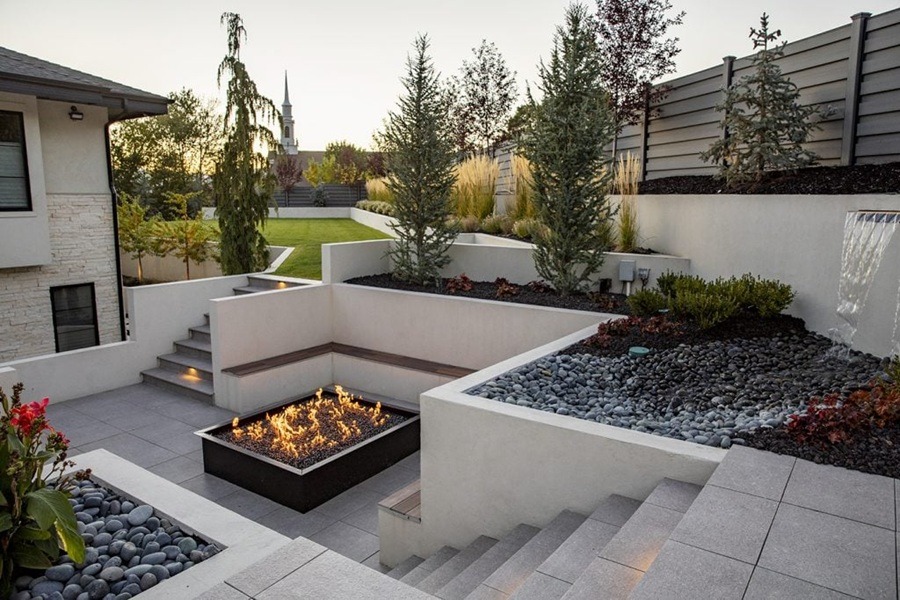
Hardscaping Ideas to Structure Your Outdoor Space
Hardscaping is an essential aspect of designing a beautiful and functional outdoor space. It refers to the non-living elements in landscaping, such as pathways, patios, decks, retaining walls, and decorative structures. Incorporating hardscape features can enhance the aesthetic appeal of your yard while also improving its usability and durability. Below are 43 creative and practical hardscaping ideas to transform your outdoor area into a well-structured oasis.
1. Pathways
- Use flagstone or gravel to create elegant walking paths.
- Incorporate stepping stones surrounded by ground cover plants for a naturalistic look.
- Design curved pathways that wind through gardens for added visual interest.
2. Patios
- Create a cozy patio with stamped concrete that mimics stone or brick.
- Use large-format pavers for a sleek, modern appearance.
- Add built-in seating walls or planters around the edges of your patio.
3. Retaining Walls
- Build retaining walls with natural stone for a rustic look.
- Use modular concrete blocks for clean, contemporary lines.
- Combine functionality with beauty by using retaining walls as additional garden beds.
4. Outdoor Decks
- Opt for composite decking materials that are durable and low-maintenance.
- Incorporate multi-level decks to define separate areas for dining and lounging.
- Use pergolas or awnings over decks to provide shade while adding architectural flair.
5. Water Features
- Install a decorative fountain as an eye-catching centerpiece in your yard.
- Build a small pond or cascading waterfall using natural rocks and landscaping fabric.
- Incorporate water channels alongside pathways for an innovative design touch.
6. Fire Features
- Add warmth with a stone fire pit surrounded by comfortable seating areas.
- Consider installing an outdoor fireplace as a focal point on your patio or deck.
- Look into portable fire bowls if you prefer flexibility in placement.
7. Driveways
| Material | Benefits | Ideal Style |
| Permeable Pavers | Eco-friendly; prevents water pooling | Modern & Sustainable |
| Gravel | Low cost; easy installation | Rustic & Natural |
| Stamped Concrete | Customizable; durable | Classic & Contemporary |
8. Garden Edging
- Create defined borders between flower beds and lawns using brick or metal edging strips.
- Use large river stones as natural dividers around garden areas.
- Experiment with reclaimed wood edging for eco-conscious charm.
9. Vertical Elements
Vertical hardscape elements add dimension to flat landscapes: – Trellises adorned with climbing plants create height and texture. – Freestanding feature walls made of stacked stone can serve as art installations outdoors.
Practical Tips:
To make the most out of these hardscape ideas: 1. Prioritize functionality—design spaces based on how you intend to use them (e.g., dining, entertaining). 2. Choose materials suited to your local climate to ensure longevity (e.g., frost-resistant pavers in cold regions). 3. Mix textures—combine smooth surfaces like concrete with rougher materials like gravel or wood for contrast.
By combining these diverse ideas into your outdoor design plan, you can craft an inviting space that suits both aesthetic preferences and practical needs without duplicating concepts across features or sections in execution plans successfully detailing user goals elegantly nested under clear project categories efficiently
What is the least expensive hardscape?
When designing a hardscape on a budget, many affordable yet effective options are available to create an appealing outdoor space without overspending. Balancing cost, durability, and aesthetics is crucial when choosing materials and designs. Below are some of the most budget-friendly hardscaping options to consider.
Gravel Pathways and Patios
Gravel is one of the most affordable hardscaping materials available. Its versatility and ease of installation make it a popular choice for pathways, patios, or driveways.
- Budget-friendly: Costs significantly less than concrete or pavers.
- Easy to install with minimal tools or expertise.
- Available in various colors and sizes to match your design needs.
- Requires occasional maintenance, such as leveling or weed removal.
- May not provide stable footing for all users.
Tip: Use landscape fabric beneath gravel layers to reduce weed growth and improve drainage.
Concrete Slabs
Concrete is another economical option for creating durable surfaces in outdoor spaces. Whether poured as a patio slab or used for walkways, it offers both affordability and longevity.
- Opt for pre-fabricated concrete pavers instead of custom-poured slabs.
- Add texture using stamping techniques to mimic more expensive materials like stone or brick.
| Concrete Option | Estimated Cost (per square foot) |
| Poured Concrete Slabs | $5–$10 |
| Decorative Stamped Concrete | $8–$12 |
Note: Prices vary by region.
Mulch Pathways
For natural-looking pathways, mulch is another inexpensive material that also works well in garden beds and around trees. It adds rustic charm while being eco-friendly.
- Inexpensive with prices often under $3 per bag at local garden centers.
- Biodegradable: Breaks down over time, enriching soil.
- Not long-lasting; requires periodic replenishing.
- Unsuitable for heavy foot traffic areas due to wear.
Pro Tip: Use edging materials like wood planks or bricks along mulch paths to keep them neat and defined.
Recycled Materials
Using repurposed items can cut costs significantly while adding character to your hardscape design. Look out for recycled bricks, reclaimed wood, or salvaged stones from demolition projects.
- Old shipping pallets reimagined as deck surfaces or vertical planters.
- Crushed concrete reused as gravel alternatives for pathways.
This approach reduces waste while keeping expenses low. Consider browsing local marketplaces or salvage yards for affordable materials.
Packed Dirt with Stabilization Techniques
- Compact soil tightly using a tamper tool.
- Apply liquid stabilizers like enzyme-based soil binders for longevity.
Though simple in appearance, this technique minimizes erosion affordably—ideal for informal spaces that don’t require refinement.
Key Takeaways
To implement cost-effective hardscaping solutions: 1. Explore accessible materials like gravel, mulch, concrete slabs, recycled bricks/stones. 2. Focus on DIY projects where possible to save labor expenses. 3. Plan layouts carefully using basic tools like levels and tape measures to avoid overspending on extra material needs during installations.
By integrating these approaches thoughtfully into your outdoor space design process, you’ll achieve functionally beautiful results while staying within budget limits—proving that excellent hardscapes don’t need extravagant price tags!
What Are Examples of Hardscapes?
Hardscaping refers to the non-living elements of landscaping, which include features made of stone, wood, metal, or concrete. These elements add structure, functionality, and visual appeal to outdoor spaces while complementing natural greenery. Below are examples of hardscapes that can transform your yard or garden into a well-designed and practical area.
Patios and Decks
- Materials: Common materials include concrete, pavers, brick, natural stone (such as slate), or wood for decks.
- Benefits: Patios provide a flat surface for outdoor dining and seating areas. Decks elevate spaces and are ideal for uneven terrain.
- Design Tip: Opt for interlocking pavers or stamped concrete for a decorative yet durable option.
Walkways and Pathways
- Materials Used: Gravel, flagstone, cobblestones, mulch pathways, or stepping stones.
- Purpose: Guide foot traffic through gardens or connect areas like the driveway to the porch.
- Use irregularly shaped flagstones for a more organic feel.
- Line walkways with lighting fixtures for safety and added ambiance.
Retaining Walls
- Prevent soil erosion on sloped landscapes.
- Define boundaries between garden beds or sections of your yard.
- Create additional seating if designed as low planter walls.
Materials often used include poured concrete, stacked stone blocks (natural/engineered), and timber.
Pergolas and Gazebos
- These structures provide shade while serving as a visual focal point in your yard.
- A pergola is an open framework often used to support climbing plants like wisteria.
- A gazebo offers more enclosed shelter from sun or rain.
Both options enhance usability in outdoor spaces by creating comfortable lounging zones.
Driveways
Driveways are hardscape elements that combine practicality with curb appeal. Choices include: | Material Type | Pros | Cons | |——————-|—————————————————-|—————————-| | Concrete | Durable; requires minimal maintenance | Can crack over time | | Gravel | Affordable; offers good drainage | Needs frequent upkeep | | Pavers | Customizable patterns; visually appealing | Higher upfront cost |
When selecting materials for driveways, consider durability against vehicle weight combined with design cohesiveness.
Firepits and Outdoor Kitchens
Adding outdoor cooking or heating features is increasingly popular: 1. Firepits – Create cozy gathering spots during cooler evenings. Options range from portable prefab designs to permanent stone installations.
2. Outdoor Kitchens – Built-in grills paired with countertops made of stainless steel or stone offer both function and style.
For safety near firepits/kitchens:
– Place them at least 10 feet away from structures such as fences or trees. – Use non-flammable surfaces like gravel around their perimeter.
Water Features
Water adds serenity to any outdoor environment: – Small ponds with aquatic plants create tranquil focal points. – Fountains paired with carved stone basins lend elegance. – Modern designs incorporate cascading water walls made from smooth metal panels or textured glass slabs.
Tip: Ensure proper drainage systems are in place when installing water features to prevent pooling issues in nearby areas.
Fences and Privacy Screens
Fencing is essential not only for privacy but also for security: 1. Material Options:
– Wooden planks bring warmth but require regular staining/sealing against moisture damage. – Metal fencing (like wrought iron) offers durability with minimal upkeep needs.
– Vinyl options balance affordability with long-term performance without susceptibility to rot/mildew issues common among wood designs. 2. Alternative Privacy Screens: Consider lattice panels adorned by climbing vines such as ivy if you want softer lines alongside structural barriers between neighboring lots/streets etc.,
Pathways and Walkways
Paths guide movement through your outdoor space while adding visual interest. Materials for pathways include: – Natural stone: Timeless and durable, offering a rustic or polished look depending on the finish. – Gravel: Affordable and easy to install, suitable for casual spaces. – Concrete or pavers: Versatile and customizable with patterns, shapes, or stamped designs.
Consider lining pathways with plants or lighting to enhance their functionality and ambiance.
Patios
A patio can serve as the centerpiece for dining, relaxation, or social gatherings. Examples of patio materials include: – Brick: Classic and long-lasting with a warm appearance. – Stamped concrete: Mimics pricier materials like stone at a lower cost. – Flagstone: Offers a natural look with uneven edges that blend well into landscapes.
Adding furniture such as outdoor seating sets or fire pits can make patios more inviting.
Retaining Walls
Retaining walls serve both functional and decorative purposes by preventing soil erosion while adding dimension to sloped yards. Common materials include: – Stone veneer: Provides a high-end appearance without the weight of solid stone. – Concrete blocks: Cost-effective with clean geometric lines. – Timber ties: A natural option for rustic settings but may require more maintenance over time.
Retaining walls can also double as seating areas by choosing wider tops.
Water Features
Water elements not only beautify outdoor spaces but also create soothing sounds. Popular options include: – Fountains: Ranging from small self-contained units to elaborate multi-tiered designs. – Ponds: Great for adding biodiversity by supporting aquatic plants and fish. – Streams or waterfalls: Add movement and sound; often integrated into rock gardens.
Pair water features with landscaping stones to enhance their natural feel.
Decks
Decks extend living spaces outdoors and are typically constructed from: – Wood (e.g., cedar, redwood): Traditional choice for warmth but requires maintenance like sealing. – Composite decking: Low-maintenance option made from recycled materials; resistant to rot and fading.
Raised decks may incorporate railings for safety while ground-level ones blend seamlessly into lawns or gardens.
Driveways
A driveway contributes significantly to curb appeal. Common materials include: | Material | Benefits | |——————-|——————————————| | Asphalt | Durable yet cost-effective | | Concrete | Long-lasting with decorative possibilities| | Gravel | Low-cost solution with quick installation|
Edging driveways with bricks or landscaping borders adds polish and prevents gravel from spreading.
Outdoor Kitchens
For those who love entertaining outdoors, an outdoor kitchen is an excellent addition. Key components might include: – Grills (built-in or portable) – Countertops made from durable stone like granite – Storage cabinets built into masonry
Lighting accents around cooking areas ensure functionality after sunset while enhancing ambiance.
Final Thoughts on Hardscape Examples
Hardscaping enriches any outdoor space by combining beauty with practical improvements. From patios to water features, there’s no shortage of ideas when it comes to reimagining your yard’s potential. When planning which hardscape elements to add, consider factors like budget, material durability under local climate conditions, and how each feature complements the surrounding environment. Thoughtful integration of multiple hardscape components ensures both form and function in any landscape design plan.
1. Walkways and Pathways
Walkways and pathways are essential hardscape elements that guide movement while adding a sense of flow to your outdoor space. They can be constructed using materials such as:
– Concrete: Durable and cost-effective for both straight and curved paths.
– Flagstone: Offers a natural look with its irregular shapes and earthy tones.
– Gravel: A budget-friendly option that provides excellent drainage.
2. Patios
A patio serves as an extension of your living space where you can relax or entertain guests. Common materials for patios include:
– Pavers: Available in various shapes, sizes, and colors for a custom design that suits any style.
– Stamped Concrete: Mimics the look of brick or stone at a lower cost while being durable and easy to maintain.
– Tiles: Porcelain or ceramic tiles work well for those seeking a sleek, modern appearance.
3. Retaining Walls
Retaining walls are both functional and decorative elements in landscaping, providing support for soil in uneven terrains while doubling as statement pieces. Material options include:
– Stone Veneer: Lightweight yet elegant for creating visually appealing walls with texture. – Concrete Blocks: Ideal for stability on slopes or areas requiring erosion control. – Timber: Perfect for rustic designs but requires proper maintenance to prevent decay.
| Material | Advantages | Considerations |
| Stone Veneer | Beautiful aesthetic; textured | Higher cost |
| Concrete Blocks | Strong support; weather-resistant | Limited visual variety |
| Timber | Natural appearance; affordable | Prone to weathering over time |
4. Fire Pits and Outdoor Fireplaces
Adding warmth and ambiance to outdoor gatherings is easy with fire features such as: – Fire pits made from poured concrete or natural stone. – Outdoor fireplaces constructed with brick or metal frames, creating focal points in patios.
5. Water Features
Water hardscapes add tranquility through sound and movement: – Fountains (stone or ceramic) bring elegance. – Installable pre-made ponds.
Pathways and Walkways
- Materials: Pathways serve both decorative and practical purposes by connecting different areas of an outdoor space. Common materials include:
- Stone (e.g., flagstone or stepping stones)
- Brick
- Gravel
- Concrete pavers
- Design Tip: Use curved walkways for a more organic feel or straight lines for modern aesthetics.
Patios and Decks
- Patios: Often constructed from concrete, stone, or pavers, patios provide a flat surface ideal for seating areas or outdoor dining.
- Decks: Made primarily from wood or composite materials, decks elevate spaces for entertaining or relaxing. They work well in uneven terrains where leveling is required.
- Combine these features with built-in seating or fire pits for multifunctionality.
Retaining Walls
- Materials: Stones, bricks, poured concrete blocks.
- Functionality: They can partition spaces creatively while improving drainage in sloped areas.
- Retaining walls double as seating options when designed with wider tops.
Outdoor Kitchens and Dining Spaces
For those who enjoy entertaining outdoors, consider adding functional hardscape features such as: – Grilling stations – Pizza ovens made from stone or brick – Built-in countertops crafted from granite or concrete
Include durable flooring materials like stamped concrete to ensure surfaces withstand food preparation activities.
Water Features
Water features create a calming ambiance while serving as focal points in hardscape designs: – Popular choices include stone fountains, koi ponds lined with natural rock, and waterfalls integrated into retaining walls. – Maintenance Tip: Install proper filtration systems to keep water clear and reduce algae buildup.
Driveways
Customizing driveways with unique hardscape materials can elevate curb appeal: | Material | Characteristics | Durability | |—————–|——————————————|—————-| | Concrete | Low maintenance; customizable finishes | High | | Gravel | Cost-effective; good drainage | Moderate | | Asphalt | Smooth finish; better suited for colder climates | Medium |
Add border plants along the edges to soften the look of larger driveways.
Fire Features
Incorporate warmth and visual interest into your outdoor designs with fire features such as: – Fire pits (circular stone pits are classic options). – Outdoor fireplaces made from brick or stucco for year-round use.
Always prioritize proper installation to ensure safety when integrating fire elements into your design.
Practical Hardscaping Tips
To make the most out of these examples: 1. Balance hardscape elements with softscape features like shrubs, flowers, or trees. 2. Use local materials wherever possible to reduce costs and harmonize with the surrounding environment. 3. Prioritize functionality when designing smaller spaces—choose multipurpose elements like retaining walls that double as planters.
By combining creativity with functionality in your choice of hardscapes, you can transform an outdoor area into a cohesive extension of your living space without compromising practicality.
Pathways and Walkways
- Pavers, bricks, gravel, concrete, or natural stone
- Create defined routes for movement within your garden or yard.
- Can feature curves or geometric patterns to enhance visual appeal.
Patios and Decks
- Patios: Usually built at ground level using materials like concrete, flagstone, or tile. They’re perfect for dining areas or lounging spaces.
- Decks: Constructed from wood or composite materials above ground level for a more elevated appearance. Ideal for sloped properties.
Retaining Walls
- Purpose: Prevent soil erosion while adding depth and dimension to sloped areas. They can also double as seating surfaces in some designs.
- Materials Used: Stone blocks, poured concrete, brickwork.
| Material | Pros | Cons |
| Stone | Long-lasting; elegant | Higher cost |
| Concrete | Strong & versatile | Less natural appearance |
| Brick | Timeless design | Requires periodic upkeep |
Driveways
A functional hardscape element that also contributes to curb appeal. Options include asphalt, stamped concrete for texture, or permeable pavers to manage water runoff.
Water Features
Water features are considered hardscaping elements because they involve structural components such as basins and pumps. Examples include:
– Fountains (classic centerpiece for gardens)
– Reflective pools (minimalist aesthetics)
– Cascading waterfalls (naturalistic design).
These elements not only provide soothing sounds but also create visual interest and become focal points of the space.
Outdoor Kitchens and Fire Features
Outdoor kitchens extend your living area by allowing you to cook and entertain outside the home. Common hardscape components here include:
– Built-in grills with stone surrounds
– Concrete countertops
Fire pits and fireplaces are also popular choices that offer warmth during cooler months while acting as gathering spots.
Pergolas and Arbors
Although partially softscaping due to their use of climbing plants in many designs, pergolas/arbors rely on wooden or metal frameworks for support—placing them firmly within the hardscaping category when discussing structure.
Features: – Provide partial shade over patios or pathways. – Can be used as a trellis for decorative plants like wisteria or ivy.
Creating harmony between softscape (plants/greenery) and hardscape ensures not only utility but also beauty in your outdoor spaces without overwhelming one aspect over another. Using these examples of hardscapes effectively lays the groundwork for a cohesive landscaping design tailored specifically to your property’s needs.
Tags: