

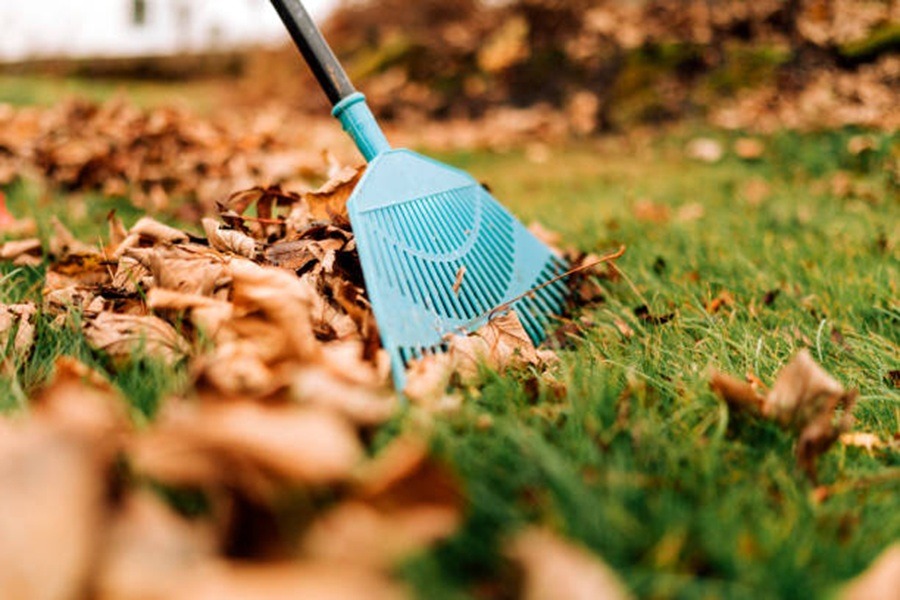
Removing Leaves Keeps Grass From Suffocating
When autumn arrives, the natural beauty of falling leaves can be a joy to witness. However, if left to pile up on your lawn, these leaves can cause more harm than good. A thick layer of leaves not only blocks sunlight but also creates a moisture barrier that can suffocate your grass and disrupt its health.
Why Removing Leaves Matters
- Sunlight Access: Grass needs adequate sunlight to carry out photosynthesis. A dense layer of leaves prevents sunlight from reaching the grass, leading to browning and thinning.
- Moisture Imbalance: Wet leaves trap excessive moisture against the soil and grass blades. This creates an ideal environment for mold and fungal growth, which further damages your yard.
- Nutrient Deprivation: Decomposing leaves can lead to nutrient imbalances in the soil if left unmanaged. Instead of enhancing soil quality, excessive decomposition may create acidic conditions that hinder growth.
Health Risks of Leaving Leaves Untouched
Beyond harming your lawn’s health, a neglected pile of leaves can attract unwanted pests: – Rodents often use leaf piles as shelter during colder months. – Stagnant wet areas under the leaf cover may become breeding grounds for insects like mosquitoes.
Practical Tips for Leaf Removal
Addressing leaf buildup doesn’t have to be overwhelming. Consider these effective strategies: 1. Use a mulching mower: Instead of completely removing leaves, a mulching mower shreds them into smaller pieces that return nutrients back into the soil as they decompose. 2. Rake regularly: Opt for ergonomic rakes with wide heads to make manual cleanup faster and easier on your body. 3. Leaf blowers: These are efficient tools for larger yards but should be used with care in areas where noise ordinances apply.
| Method | Best For | Advantages |
| Mulching Mower | Light-to-moderate leaf fall | Adds nutrients; eco-friendly |
| Raking | Smaller yards or gardens | Low-cost; precise |
| Leaf Blower | Large properties | Time-saving; effective |
Eco-Friendly Disposal Options
Once you’ve gathered up the fallen leaves, consider these environmentally conscious disposal methods: – Compost them: Add shredded leaves to your compost bin along with other organic material like food scraps or grass clippings. – Create leaf mold: Pile up moist leaves in a corner and let them break down naturally over time into rich organic matter. – Curbside collection: Many municipalities offer yard waste pickup services that recycle organic debris into mulch or compost.
By ensuring that fallen leaves are removed efficiently and sustainably, you not only protect the health of your lawn but also contribute positively to environmental conservation efforts. A well-maintained yard in fall sets the stage for vibrant growth come springtime while promoting healthier ecosystems around your property.
Getting Rid of Dead Plants and Weeding Helps in Gardens
Proper fall yard clean-up, particularly removing dead plants and persistent weeds, plays a crucial role in maintaining the health and productivity of your garden. Neglecting these tasks can lead to serious challenges for your plants during the growing season, including reduced vitality and increased vulnerability to pests and diseases. Here’s an exploration of why this practice is essential and how you can do it effectively.
Why Removing Dead Plants Matters
- Prevents Disease Spread: Dead or decaying plant matter often harbors diseases or fungi. Leaving these materials overwinter in your garden could result in infections spreading to healthy plants come spring.
- Discourages Pests: Insects like beetles, aphids, or mites often use dead vegetation as shelter during the colder months. Removing this debris reduces overwintering spaces for such pests.
- Improves Soil Health: Decomposing plant material may disrupt soil nutrient balance if left unchecked, potentially impacting new growth.
The Benefits of Weeding Before Winter
- Reduce Competition: Weeds compete with desirable plants for sunlight, nutrients, and water. Clearing them away gives your garden plants a fresh start when spring arrives.
- Prevent Seed Spread: By removing mature weeds with seed heads before they disperse their seeds, you minimize next year’s weeding workload.
- Enhance Aesthetic Appeal: A weed-free garden looks tidy and well-maintained even during the dormant seasons.
Practical Tips for Efficient Cleanup
- Invest in tools such as hand pruners, gloves, rakes, and a sturdy trowel for effective removal.
- For large areas with stubborn weeds or plant remains, consider using a hoe or weeding tool.
- Add healthy (disease-free) plant material to your compost pile to recycle nutrients back into your soil.
- Avoid composting any diseased or pest-infested debris; instead, dispose of it safely.
- Choose dry days during autumn to carry out cleanup tasks—this makes soil easier to manage without unnecessary compaction.
- Focus on high-priority sections of your garden where weeds are most prolific or where dead vegetation is densely packed.
| Task | Tools Needed | Timing |
| Remove Dead Plants | Pruners/Gloves | Late Fall (before frost) |
| Weed Thoroughly | Trowel/Hoe | Early-Mid Fall |
| Compost Healthy Debris | Compost Bin | Ongoing |
Long-Term Benefits
By eliminating dead plants and invasive weeds now, you’re setting up your garden for success in the upcoming growing season. New seedlings will have better access to space and resources without interference from leftover organic clutter or aggressive competitors like weeds. Moreover, regular fall maintenance fosters healthier soils that support robust root systems essential for vibrant blooms or harvests next year.
A clean slate brings peace of mind as you prepare for winter while ensuring that spring gardening begins on solid footing—all thanks to diligent care in removing what no longer serves your landscape’s ecosystem needs.
Pruning Dead Tree Branches Makes Your Yard Safer
Pruning dead tree branches is a critical component of fall yard cleanup that not only enhances the appearance of your property but also plays an important role in ensuring safety and promoting healthy tree growth. When overlooked, dead or weakened branches can pose risks to both people and property, especially during harsh winter weather when snow and ice place extra weight on tree limbs. Here’s a closer look at why pruning is essential and how it benefits your yard.
Why Pruning Dead Branches Matters
Dead branches are more than just an eyesore; they can create serious hazards:
– Preventing Property Damage: Weak or dead limbs are more likely to break during storms, potentially damaging roofs, cars, or fences.
– Enhancing Safety: Overhanging dead branches near walkways, driveways, or outdoor seating areas can be dangerous if they suddenly fall. Removing them reduces the risk of injury.
– Encouraging Healthy Growth: Dead branches drain resources from the healthier parts of a tree. By removing them in the fall, you allow the tree to focus its energy on thriving growth for the next season.
How to Properly Prune Dead Branches
Pruning requires care and precision to ensure you don’t accidentally damage healthy parts of the tree. Follow these tips for effective pruning:
1. Inspect Your Trees: Before cutting anything, examine each tree carefully for signs of dead wood—branches that look dry, brittle, or discolored compared to healthy ones.
2. Use the Right Tools: Invest in sharp pruning shears for smaller branches and a pruning saw for larger limbs. 3. Cut Correctly: Trim close to the branch collar (the slightly swollen area where a branch meets the trunk) but avoid cutting into it, as this can damage the tree. 4. Avoid Over-Pruning: Remove only dead or diseased limbs; excessive pruning can stress trees before winter arrives. 5. Safety First: Use protective gear such as gloves and goggles while working with tools, and avoid standing directly under large branches you’re cutting.
Additional Benefits of Fall Pruning
Aside from reducing hazards and promoting plant health:
– It improves sunlight penetration by clearing away unnecessary shade created by old branches. – It creates better airflow through trees and shrubs, reducing chances of fungal diseases that thrive in damp conditions. – It prepares your trees for winter dormancy by removing parts that may cause structural instability under heavy snow.
| Tool Needed | Purpose | Example Features |
| Pruning Shears | Cutting small branches | Rust-resistant steel blades |
| Loppers | Reaching higher/larger limbs | Long handles with ergonomic grips |
| Pruning Saw | For thick/dead wood | Curved blade ideal for precise cuts |
Professional Assistance vs DIY
While it’s possible to handle minor pruning yourself with proper tools and techniques, larger jobs—such as removing high branches or entire sections—may require professional assistance: – Arborists have specialized equipment to safely access tall trees. – They can also assess whether any trees are diseased or at risk of falling entirely.
By addressing dead tree branches during your fall yard cleanup efforts, you not only make your outdoor space safer but also support healthier growth across all seasons ahead. This proactive approach ensures your landscape remains both attractive and secure year-round without unnecessary risks or surprises caused by neglected maintenance tasks during colder months.
Pruning Dead Tree Branches Makes Your Yard Safer
Pruning dead tree branches during your annual fall yard cleanup is vital for maintaining both the safety and health of your yard. Dead or damaged branches can pose significant hazards to people, property, and even the trees themselves if left unchecked. This preventive measure not only protects your space but also promotes the overall vitality of your trees.
Why Prune Dead Branches?
- Prevent Property Damage:
Dead branches are more likely to break under the weight of snow or during strong winds, potentially damaging roofs, fences, vehicles, or other structures in your yard. - Ensure Personal Safety:
Falling branches can cause injury to family members, pets, or visitors. Removing them before winter storms eliminates these safety risks. - Deadwood can become a gateway for pests such as beetles and termites.
- Diseases may spread from decaying branches to healthy parts of the tree.
- By pruning away dead or diseased areas, you encourage healthy growth and prevent further decay.
- Improve Aesthetics:
Removing unsightly dead limbs enhances the overall appearance of your yard by giving trees a cleaner, well-maintained look.
Best Practices for Pruning
- Timing: Fall is an ideal time for pruning since most trees are entering dormancy after shedding their leaves. This allows you to clearly identify dead branches without disrupting active growth.
- Use clean, sharp tools such as loppers or saws to make precise cuts.
- Disinfect tools between cuts to avoid spreading diseases between plants.
- Always cut just outside the branch collar (the swollen area where the branch meets the trunk). This allows proper healing while minimizing risk to the tree.
- Avoid tearing bark by cutting heavy branches in small sections rather than attempting a single cut.
Which Trees Require Extra Attention?
| Tree Type | Common Issues | Recommendation |
| Oak Trees | Susceptible to fungal infections | Remove diseased limbs immediately |
| Pine Trees | Vulnerable to beetles | Check regularly for infestations |
| Fruit Trees | Often have weak wood | Prune annually for better yields |
What to Do with Removed Branches?
- Composting: Small twigs and branches can be broken down into compost material over time.
- Mulching: Create mulch from chipped wood to use around garden beds as insulation against frost.
- Firewood Preparation: Larger pieces of deadwood can be dried and stored as firewood (if safe for burning).
By addressing potential risks through thoughtful pruning each fall, you create a safer environment while fostering healthier plant growth. Your efforts not only prepare your yard for winter but also set it up for vibrant renewal in spring.
Dethatching in Fall Helps New Grass Grow in Spring
Dethatching is an essential part of fall yard cleanup for maintaining a healthy lawn. Thatch refers to the layer of dead grass, roots, and other organic debris that builds up over time between the soil and live grass. While a thin layer of thatch can actually benefit your lawn by retaining moisture, an excessive buildup can become detrimental.
The Problem with Excessive Thatch
When too much thatch accumulates:
– It prevents water, nutrients, and air from reaching the soil and grass roots.
– Grass roots may grow into the thatch instead of anchoring deeply into the soil, making them more prone to damage from drought or foot traffic.
– The thick layer traps moisture, creating an environment for pests and disease to thrive.
Why Dethatching is Best Done in Fall
Fall is an ideal season for dethatching because:
– Cooler temperatures reduce stress on grass during the process.
– Grass will have time to recover before winter dormancy sets in.
– By eliminating excess thatch now, you create optimal conditions for new spring growth.
Dethatching during fall also aligns with other seasonal yard maintenance tasks such as aeration and overseeding, helping you prepare your lawn comprehensively for the next growing season.
How to Dethatch Your Lawn Effectively
- Assess Your Lawn: Check if dethatching is necessary by digging out a small section of turf. If the thatch layer is thicker than ½ inch (about 1 cm), it’s time to remove it.
- Choose Your Tools: Use a dethatching rake for small areas or a power dethatcher (vertical mower) for larger lawns. Ensure blades are appropriately set so they penetrate just below the thatch without damaging grassroots.
- Timing Matters: Perform this task when your lawn is slightly moist but not overly wet—this allows tools to work effectively without tearing up healthy grass.
- Follow Up with Aeration: After dethatching, consider aerating your lawn to open up compacted soil and further improve nutrient flow.
- Overseed Bare Areas: Reseed any bare patches created during dethatching using high-quality seed appropriate for your climate zone.
- Water Moderately: Provide light watering after dethatching and overseeding to help new seeds settle without oversaturating the area.
| Lawn Care Task | Ideal Time | Benefits | Tools Needed |
| Dethatching | Early Fall | Removes debris; improves air/water flow | Dethatcher or rake |
| Aeration | Mid-Fall | Reduces compaction; enhances root growth | Aerator |
| Overseeding | Late Fall | Promotes thick, lush growth in spring | Grass seed & spreader |
Long-Term Benefits of Dethatching in Fall
By investing time in dethatching during autumn: – You create an optimal environment for robust root growth over winter. – Nutrients added through fertilizers are better absorbed due to improved soil access. – Your grass grows greener, thicker, and healthier once spring arrives.
This proactive care ensures your lawn has a strong start when temperatures warm up again—saving you effort later while keeping your yard healthy year-round.
Dethatching in Fall Helps New Grass Grow in Spring
Dethatching your lawn during the fall is one of the most impactful ways to set your yard up for a healthy and vibrant spring. Thatch, the layer of dead grass, roots, and debris that accumulates between the soil and green vegetation, can hinder your lawn’s health if left unmanaged. Let’s explore why fall dethatching is important and how it benefits your yard.
What is Thatch and Why Does It Matter?
Thatch acts as a barrier that can prevent essential nutrients, water, and air from reaching the soil. While a thin layer of thatch offers some protective benefits by moderating temperature and reducing moisture loss, an excessive buildup can suffocate grass roots and lead to weak or patchy growth.
- Spongy feel when walking on your lawn.
- Poor water absorption after rain or watering.
- Uneven or stunted grass growth.
- Increased vulnerability to pests or fungal diseases.
In short, if left unchecked, thick thatch layers can turn even the healthiest lawns into struggling patches of grass.
Benefits of Fall Dethatching
- Encourages Stronger Root Development: Removing excess thatch allows roots to access nutrients and moisture more effectively. This boosts their strength before winter dormancy sets in.
- Prepares Your Lawn for Fertilization: After dethatching, fertilizer applied in the fall can more easily penetrate the soil rather than sitting on top of compacted debris, ensuring maximum nutrient absorption.
- Reduces Risk of Winter Damage: Excessive thatch can trap moisture during colder months, creating an environment conducive to mold or fungal growth. By removing it in fall, you reduce these risks significantly.
- Improves Spring Growth: When spring arrives with warmer temperatures, a dethatched lawn will grow more evenly with less soil compaction issues to resolve later.
How to Dethatch Your Lawn
- Determine if Your Lawn Needs Dethatching:
Use a small rake or screwdriver to check how thick the thatch layer is; anything over half an inch likely needs removal. - For smaller yards: Use a manual rake (dethatching rake) with curved blades specifically designed for this task.
- For large areas: Consider renting a motorized dethatcher or power rake for faster results.
- Water Beforehand (But Not Too Much):
Moist soil makes it easier to remove excess thatch without damaging healthy grass roots underneath. - Rake Up Debris Once Done:
After dethatching, collect loosened material into piles for composting or proper disposal.
Combine with Aeration for Maximum Results
| Task | Description | Benefit |
| Dethatching | Removes surface-level organic debris | Improves nutrient penetration |
| Aerating | Loosens compacted soil | Enhances root development |
When paired together in fall cleanup plans, these tasks create optimal conditions for robust turf growth come springtime.
Final Recommendation
While it may seem like extra work during busy autumn months, dethatching should be considered an investment in your yard’s future health. A well-maintained lawn free from suffocating layers will reward you with lush greenery once winter thaws—making it worth every effort now.
Makes Your Yard Neat and Beautiful
A well-maintained yard not only supports environmental health but also adds charm and aesthetic appeal to your home. Fall yard clean-up contributes significantly to the overall look of your outdoor space, creating a clean, organized, and welcoming atmosphere that you can enjoy year-round. Here’s how cleaning up during the fall can make your yard more attractive while promoting a sense of balance between beauty and function.
Enhances Curb Appeal
- First Impressions Matter: Whether it’s for visitors or potential buyers if you’re considering selling your home, a tidy yard makes an excellent first impression.
- Clean Lines: Raking up leaves and removing debris helps showcase the natural contours of your landscape design.
- Highlighting Features: With no clutter in the way, elements such as decorative shrubs, pathway lighting, or garden ornaments stand out beautifully.
Promotes Healthy Growth for Next Season
A neat yard is not just about visual appeal; it’s a reflection of healthy plants and soil. Removing clutter allows the grass, flowers, and trees to thrive without competition from decaying organic matter that may harbor pests or disease.
- Dead leaves left on lawns can block sunlight from reaching the grass. Removing them ensures your lawn remains lush and green.
- Weeding flower beds prevents invasive growth from taking over space reserved for ornamental plants.
Creates a Welcoming Outdoor Space
By tidying up during fall: – You prepare your yard for gatherings—whether it’s winter bonfires or spring barbecues. – A clean space feels more inviting and enjoyable for family members who want to relax outdoors.
Practical Tips for Achieving Neatness
Here are actionable ways to ensure your yard stays beautiful after your fall cleanup efforts: 1. Use Defined Edges: Add edging around flower beds or pathways using stone, wood, or metal borders to create polished outlines. 2. Group Decorative Plants Together: Arrange planters in clusters based on height and color to add symmetry. 3. Store Tools Properly: Keep lawn tools tucked away in sheds or storage spaces instead of leaving them scattered outdoors.
| Task | Tool/Method | Benefit |
| Raking Leaves | Metal/Plastic Rake | Cleaner lawn appearance |
| Pruning Branches | Pruning Shears/Saws | Reduces potential hazards |
| Mulching Garden Beds | Mulch (organic) | Insulates roots & suppresses weeds |
By implementing these steps during seasonal clean-up sessions each year consistently improves both functionality and aesthetics over time.