

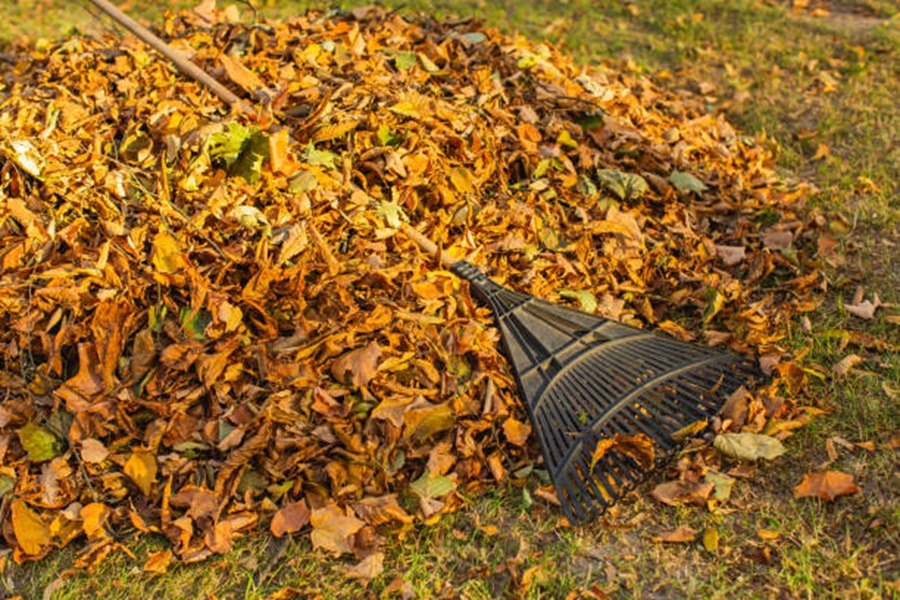
Should Leaves Be Raked
When fall arrives and leaves begin to blanket your lawn, many homeowners face the dilemma of whether to rake or leave them be. Understanding whether you should rake your leaves primarily depends on your lawn’s health, aesthetic preferences, and the environmental benefits of leaving or removing the foliage.
Benefits of Raking Leaves
- Prevents Lawn SuffocationRaking helps remove this barrier, allowing the grass beneath to thrive.
- Avoids Mold and Disease: Wet, decomposing leaves can retain moisture and foster conditions for mold growth or fungal diseases in your yard. Clearing these leaves reduces such risks.
- Enhances Curb Appeal: For those who value a neat, manicured lawn, raking offers a quick way to maintain visual appeal during autumn months.
Downsides to Raking
- Labor Intensive: The physical effort required in raking can be time-consuming and exhausting for larger properties.
- Removes a Natural Mulch Option: When you rake leaves away entirely, you lose access to nutrients that decomposed leaves naturally provide to soil when left intact or mulched.
Factors Influencing the Need to Rake
| Factor | Consideration |
| Lawn Size | A smaller yard may require less frequent raking compared to larger properties. |
| Grass Type | Certain grass varieties may tolerate leaf coverage better than others. |
| Local Climate | In wetter climates where soggy leaves decompose slowly, raking is helpful. |
By assessing these variables alongside personal goals for yard care (e. g. , aesthetics vs. eco-friendliness), you’ll have a clearer idea if raking is necessary for your situation.
Instead of defaulting solely out of habit or tradition, weigh the specific needs of your lawn and regional conditions before deciding whether raking is essential this fall season.
Getting Rid of Leaves: Raking
Raking has long been a traditional method for managing fallen leaves in yards and gardens. While it remains popular, it’s important to weigh its advantages and disadvantages to determine if it is the best solution for maintaining your lawn’s health and aesthetics.
Benefits of Raking
- Prevents Lawn Suffocation: A thick layer of leaves left on the ground can suffocate grass by blocking sunlight and air circulation. Raking removes this barrier, allowing grass to grow uninhibited.
- Reduces Pest Habitats: Decaying leaves can become a breeding ground for pests such as ticks, beetles, or other unwanted insects. Raking minimizes this risk.
- Secures a Neat Appearance: For those who prefer clean, well-maintained lawns, raking delivers an immediate visual improvement by clearing away debris.
Challenges of Raking
- Labor-Intensive: Raking requires significant physical effort, often leading to back strain or fatigue if performed improperly.
- Time Consuming: Compared to mulching, raking can take much longer since you’ll need to collect and dispose of the leaves afterward.
- Disposal Concerns: After raking, determining what to do with the collected leaves can be problematic. If sent to landfills instead of being composted, the environmental impact increases unnecessarily.
Practical Tips for Effective Raking
- Use a wide-headed rake designed specifically for collecting leaves.
- Ergonomic handles can reduce strain on wrists and back during prolonged use.
- Start from one edge of your yard and work in sections rather than sporadically across different areas.
- Use a tarp or bag as you go to collect large piles without having to repeatedly move them manually.
- Avoid doing so when the ground is wet; damp leaves are heavier and harder to manage.
- Aim for dry days when both soil conditions and leaf texture are easier to work with.
- Turn your collected leaves into nutrient-rich compost instead of placing them in garbage bags destined for landfills. This approach provides an eco-friendly solution while benefiting your garden later on.
| Pros | Cons |
| Prevents lawn damage | Time-consuming |
| Reduces pests | Physically demanding |
| Enhances appearance | Disposal challenges |
Raking remains an effective way to clear excess foliage from your lawn, particularly when neatness is a priority or when heavy leaf coverage poses risks like lawn suffocation. However, evaluating whether this method aligns with your time availability, physical capabilities, and environmental considerations is key before jumping into action.
Getting Rid of Leaves: Mulching
Mulching is a popular and efficient method for dealing with fallen leaves, offering several benefits to your lawn, garden, and the environment. It involves shredding leaves into small pieces and leaving them on the ground to break down naturally or using them as a protective layer around plants. Here’s an in-depth look at why mulching can be an effective choice for managing leaf litter.
Benefits of Mulching
- Natural Fertilizer: As mulched leaves decompose, they release nutrients like nitrogen, phosphorus, and potassium back into the soil. This improves soil fertility without requiring chemical fertilizers.
- Moisture Retention: A layer of shredded leaves acts as a natural barrier against evaporation, helping retain soil moisture during dry months.
- Erosion Control: Mulch reduces the impact of rainfall on exposed soil surfaces, preventing erosion and protecting plant roots from being disturbed.
- Weed Suppression: A thick layer of mulch can smother weeds by blocking sunlight from reaching their seeds, reducing competition with your lawn or garden plants.
- Sustainability: Instead of bagging up raked leaves for disposal in landfills (where they may not decompose properly), mulching gives them a second life in your yard.
The Process of Leaf Mulching
- A standard lawn mower can be equipped with a mulching blade or attachment designed to finely chop up leaf material.
- Some mowers come with built-in mulching functionality that helps spread shredded leaves evenly across your lawn.
- Run your mower over dry leaves (wet leaves may clog equipment).
- Aim for pieces small enough to settle into the grass without smothering it—ideally about the size of confetti.
- Avoid piling too much mulch onto one area; this might block air circulation and damage underlying grass.
- As a rule of thumb, no more than 1–2 inches of shredded leaf material should remain visible after mowing.
- Begin mulching early in fall when fewer leaves are present, as doing so incrementally prevents overwhelming your lawn later in the season.
When Not to Mulch
- If lawns are already stressed (e. g. , from disease or drought), adding organic matter can exacerbate issues rather than resolve them.
- Large volumes of wet or compacted leaves should not be left unshredded; they can lead to fungal growth or suffocate grass beneath them.
- Certain tree species produce thick waxy or acidic foliage (e. g. , oak) that may require balancing with lime if used as mulch.
| Advantages | Limitations |
| Improves soil health | Not ideal for all lawn types |
| Reduces waste | May require specific equipment |
| Saves time compared to bagging | Wet conditions can hinder process |
| Provides weed control | Requires regular maintenance |
Alternatives Within Mulching
If you don’t want shredded leaf fragments covering your entire yard:
– Collect mulched material using a mower bag attachment and redistribute it where needed (e. g. , garden beds).
– Combine shredded leaves with grass clippings for use as compost ingredients instead of directly mulching turfgrass areas.
Mulching is both practical and environmentally friendly when done correctly—it rejuvenates your landscape while cutting down on waste management efforts elsewhere. For homeowners looking to maintain healthy lawns with minimal effort during fall cleanup season, this method holds considerable appeal over traditional raking methods.
Raking Leaves vs Mulching Leaves
When deciding between raking leaves and mulching them, it’s essential to assess the needs of your lawn, your available time, and how each method impacts the environment. Both approaches have advantages and drawbacks, which we’ll explore in detail below to help you make an informed choice.
Benefits of Raking Leaves
Raking offers a traditional approach to managing fallen leaves.
- Aesthetics: Raking ensures a clean and tidy lawn by completely removing fallen leaves.
- Prevention of Lawn Damage: Wet, compacted leaves can smother grass, potentially leading to mold growth or dead patches. By raking, you remove this barrier and allow your grass to “breathe.
- Composting Material: Collected leaves can be added to compost piles for nutrient-rich soil amendments.
However, raking is not without its challenges: – Labor-Intensive: This method requires considerable physical effort and time.Disposal Issues: Bagged leaves often contribute to landfills unless municipalities offer specific composting or yard waste programs.
Benefits of Mulching Leaves
Mulching is an eco-friendly alternative that turns fallen leaves into a resource for your lawn.
- Natural Fertilizer: Mulched leaves decompose over time, returning organic matter and nutrients like nitrogen back into the soil.
- Moisture Retention: A thin layer of mulched leaves acts as a natural mulch, conserving soil moisture while reducing weed growth.
- Convenience: With the right tools, such as a mulching mower or attachment, this method requires less effort compared to raking.
Potential downsides include: – Clumping Risk: If done improperly or if too many wet leaves are left on the surface, mulching can lead to clumps that block sunlight from reaching your grass.Not Suitable for Thick Leaf Layers: Excessive leaf cover may overwhelm the mulching process and create issues similar to leaving whole leaves on the ground.
Choosing Between Raking and Mulching
The choice boils down to personal preference, lawn type, seasonality considerations, and whether environmental benefits are a priority.
| Feature | Raking | Mulching |
| Effort | High (manual labor required) | Low (requires proper equipment) |
| Lawn Aesthetics | Immediate removal provides tidiness | May leave visible leaf particles |
| Environmental Impact | Neutral (if composted); negative (if sent to landfill) | Positive (recycles nutrients) |
| Suitability | Best for heavily landscaped areas | Ideal for smaller lawns with thin layers of leaves |
Practical Tips for Effective Leaf Management
- Monitor Leaf Accumulation:Avoid letting too many wet or compacted leaves sit on your lawn; this can suffocate grass roots regardless of management technique.
- Invest in Quality Tools:Use a sturdy rake with ergonomic handles for easier manual work or opt for a mulching mower with sharp blades.
- Adapt Based on Weather:After heavy rainfall or snowfall when wet debris becomes heavier—mulch sparingly or rake immediately.
- Mix Methods When Necessary:In cases where heavy leaf piles exist in certain areas but lighter coverage appears elsewhere; combine both approaches.
Finding balance between these techniques ensures healthier lawns while aligning seasonal care tasks effectively!
Raking Leaves vs Mulching Leaves
When it comes to deciding between raking leaves and mulching them, understanding the benefits and drawbacks of each method can help you make the best choice for your lawn’s health and overall maintenance. Both practices serve a purpose, but their effectiveness depends on factors such as the lawn’s needs, time constraints, environmental considerations, and personal preferences. Below is an in-depth comparison of these two methods.
Key Differences Between Raking and Mulching
| Factor | Raking | Mulching |
| Purpose | Removes leaves entirely from the lawn to prevent buildup or smothering grass. | Breaks down leaves into smaller pieces that decompose naturally into the soil. |
| Time Required | Often requires more time and effort to collect and dispose of leaves. | Faster process when using a mulching mower or similar tool. |
| Environmental Impact | May contribute to landfill waste if not composted; requires energy for disposal (e.g., bags, transport). | Eco-friendly since it recycles organic material back into the soil as nutrients. |
| Lawn Health | Prevents excessive leaf buildup that can suffocate grass but removes organic material from the ecosystem. | Adds nutrients back to the lawn while improving soil quality over time. |
Benefits of Raking Leaves
Raking leaves has long been considered a traditional approach to fall lawn care.
– Prevention of Grass Damage:Thick layers of wet or matted leaves can block sunlight and air circulation, leading to mold growth or patchy grass.Immediate Cleanup:For those who prefer a neat yard without visible leaf debris, raking provides an instant solution.Composting Opportunity:Gathered leaves can be added to a compost pile rather than discarded in trash bags.
However, raking also has its downsides: – Labor-intensive work that can be physically demanding. – Requires disposal methods like bagging or transporting if not composted at home.
Advantages of Mulching Leaves
Mulching has gained popularity as a sustainable alternative due to its numerous advantages:
– Nutrient Recycling:As mulched leaves decompose, they naturally fertilize your soil with essential nutrients like nitrogen, phosphorus, and potassium.Cost Efficiency:Eliminates the need for fertilizers or yard waste bags since all organic material stays on-site.Time Saving:Using a mulching mower reduces labor significantly compared to manual raking.Weed Suppression:A thin layer of decomposed leaf mulch can act as a natural barrier against weed growth while retaining moisture in the soil.
Potential drawbacks include: – If too many thick layers are left unprocessed, they can create clumps that smother grass rather than benefit it. – Wet conditions may result in slower decomposition or encourage mold growth.
Which Method is Right for Your Yard?
The choice between raking and mulching often depends on your yard’s specific needs:
1. If you have heavy leaf coverage combined with compacted turfgrass prone to suffocation, occasional raking may be necessary before switching over to mulching later in the season.
2. For lawns with sparse leaf fall or healthy ecosystems already rich in organic matter, regular mulching ensures long-term nutrient recycling without much effort.
By striking a balance between these techniques—or even combining them—you’ll ensure both functionality and sustainability when managing fallen leaves this season.
Raking Leaves vs Mulching Leaves
When deciding between raking and mulching leaves, it’s crucial to weigh the benefits and potential drawbacks of each method to determine what best supports your lawn’s health and maintenance goals.
Benefits of Raking
Raking is often the traditional approach to clearing leaves from your lawn.
– Neater Appearance: Raking completely removes fallen leaves, leaving your yard tidy, which can be important for curb appeal.
– Prevention of Lawn Damage: Thick piles of wet, compacted leaves can smother grass, reducing sunlight and airflow. Raking clears those layers out effectively.Compost Material: Gathered leaves can be composted to create nutrient-rich material that can later enhance soil health.
However, raking requires considerable physical effort and time. This method may also strip away organic materials that could naturally improve soil quality.
Benefits of Mulching
Mulching offers a modern alternative to simply removing leaves from your lawn. Shredding the leaves into small pieces using a mulching mower allows them to decompose naturally into the soil.
– Nutrient Recycling: Mulched leaves break down over time, enriching the soil with organic matter such as carbon and nitrogen.Cost-Effective Solution: Unlike raking, which may require purchasing bags or paying for leaf disposal services, mulching typically requires only a mower with mulching capabilities.Environmental Impact: Mulching reduces waste sent to landfills by repurposing organic matter directly on-site.
One potential downside is that excessive layers of unshredded leaves may still smother grass if not properly distributed across the lawn during mulching.
Side-by-Side Comparison Table
| Feature | Raking | Mulching |
| Time Investment | High (manual labor-intensive) | Low (uses machinery) |
| Nutrient Contribution | Low (removes organic material) | High (adds nutrients back to soil) |
| Lawn Aesthetic | Immediate clean appearance | Less immediate; natural recycling |
| Environmental Impact | May contribute to landfill waste | Eco-friendly; reduces waste |
Tips for Choosing Between Raking and Mulching
- Lawn Size:For small yards, raking might be manageable; however, for larger lawns, mulching saves time and effort.
- Leaf Volume:If you have heavy leaf fall or large amounts of debris, you might need to rake first before switching to mulching.
- Grass Type:Some grasses benefit more from decomposing mulch as they thrive on rich soils created by natural composting.
- Seasonal Timing:Early in fall when there are fewer leaves on the ground, mulching is effective. Later in the season with heavier accumulation, combining both methods might work best.
Both approaches have their merits depending on personal preferences and lawn care goals. By assessing your specific needs—such as time availability, environmental priorities, or aesthetic preferences—you can decide whether raking or mulching aligns better with your vision for a healthy lawn throughout the year.
Raking Leaves vs.
When it comes to leaf management in your yard, the techniques of raking and mulching often spark debate among homeowners. While both methods have their merits, understanding their differences can help you make an informed decision tailored to your lawn’s needs. Below, we’ll compare these two approaches across several factors, including efficiency, environmental impact, and lawn health.
Efficiency: Time and Effort
- Raking is a labor-intensive activity that requires physical effort and time.
- Ideal for smaller yards or areas where leaves pile up densely.
- Offers a precise way to gather leaves for disposal or composting.
- Mulching is quicker when using a mower equipped with a mulching blade. This method shreds leaves into small pieces while mowing the lawn.
- Reduces the need for bagging or transporting leaves elsewhere, saving time in the process.
- Works best if leaves are not excessively wet or piled up in thick layers.
Environmental Impact
- Disposing of raked leaves traditionally involves bagging them in plastic and sending them to landfills, which contributes to waste accumulation. However, composting raked leaves locally reduces this impact significantly.
- Plastic bags used for disposal can take years to decompose if not properly managed.
- Shredded leaf matter from mulching decomposes naturally into the soil without creating waste. This makes it an eco-friendly option that minimizes landfill contribution entirely.
- By recycling nutrients back into your lawn, mulched leaves serve as natural fertilizer without requiring additional materials like plastic bags.
Lawn Health Benefits
| Feature | Raking | Mulching |
| Soil Enrichment | Limited benefits unless composted | Shredded leaves improve soil quality by adding organic matter over time |
| Weed Control | Less effective | Mulch acts as a protective layer that suppresses weed growth |
| Grass Growth | Completely clears grass surface but may expose it more to elements | Leaf mulch insulates roots during winter while allowing nutrients to reach the soil |
Cost Considerations
- Raking: The financial costs are minimal if you already own rakes and bags; however, investing in proper composting equipment adds expenses if you go beyond simple leaf disposal.
- Mulching: If you own a mower with a mulching blade or attachment, there’s no additional cost involved beyond routine mower maintenance.
Practical Considerations by Season
- In early autumn when leaf coverage is light, mulching can be highly efficient as shredded material blends seamlessly with grass clippings.
- Toward late autumn when heavy layers of moist or compacted leaves appear, combining both methods might work better—start by raking thick accumulations before switching to mulch for finer coverage.
Choosing between raking and mulching ultimately depends on your yard’s size, how much effort you’re willing to invest in maintenance, and your environmental priorities. A blended approach—raking dense piles followed by mulching lighter layers—can sometimes provide the best of both worlds while keeping your lawn healthy year-round.