

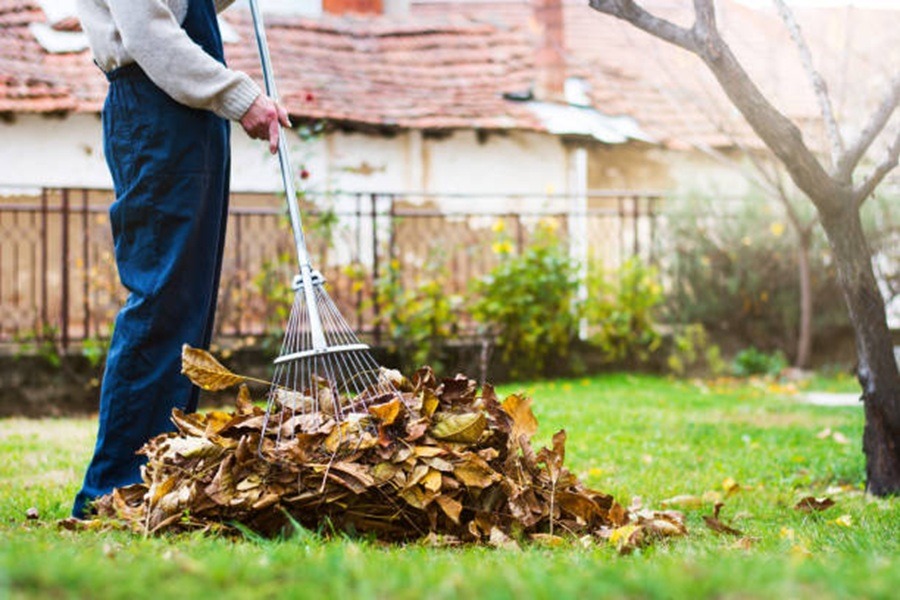
What Exactly Is Fall Clean Up
Fall clean-up refers to the process of preparing your yard and outdoor spaces for the upcoming winter season. As summer transitions into autumn, leaves start to fall, plants die back, and your property requires attention to maintain its health and appearance. This effort is more than an aesthetic undertaking; it’s about creating a thriving environment that can endure the colder months and flourish in spring.
A fall yard clean-up involves removing debris, addressing lawn care needs, pruning, and performing other essential maintenance tasks that prevent damage caused by winter conditions. This practice ensures not only a tidy property but also long-term benefits for your landscaping.
Key Goals of Fall Clean-Up:
- Protect Plants: Clear away dead plant material to prevent diseases from spreading into the cooler months.
- Prepare for Spring Growth: Taking action now provides the foundation for healthier growth in spring.
- Prevent Pest Infestation: Many pests use leaves, branches, or mulch as shelter during winter if these elements are left unmanaged.
- Minimize Damage from Winter Weather: Heavy snow or ice can exacerbate existing debris problems or damage improperly pruned trees.
Fall clean-up is crucial for keeping outdoor spaces functional and easy to manage throughout winter while setting up your garden or yard for success when warmer weather returns.
When to Start Fall Clean-Up
| Region | Ideal Timeframe |
| Northern states | Late October – Early November |
| Southern states | Mid-November – Early December |
Starting too early may mean repeating tasks as additional leaves fall, while starting too late could expose plants or lawns to frost-related issues.
Essential Tools for Fall Clean-Up
Having the right tools on hand makes fall clean-up more efficient and effective:
– Leaf rake: For gathering fallen leaves without damaging grass. – Mulching mower: To finely chop leaves so they decompose faster when left on your lawn. – Pruning shears: Essential for cutting back dead branches and overgrown shrubs. – Compost bin: A sustainable way to manage organic debris like grass clippings or leafy waste. – Wheelbarrow: Transport larger loads of debris easily across your yard.
With proper preparation and timing, a thorough fall clean-up supports both immediate needs (like reducing clutter) while ensuring long-term success in maintaining healthy landscaping year-round.
How Fallen Leaves Impact Your Yard
Fallen leaves are a hallmark of autumn, bringing vibrant colors to your yard before winter sets in. However, while they may look picturesque, an excessive buildup of fallen leaves can have several adverse effects on your yard’s health if left unmanaged. Understanding how fallen leaves impact your outdoor environment can help you take the right steps to protect and maintain your landscape.
1. Lawn Health
- Smothering Grass: When leaves form a thick layer on your lawn, they block sunlight and airflow, which are essential for healthy grass. This can lead to thinning or dying patches of grass over time.
- Increased Moisture Retention: Wet leaves trap moisture underneath them. While some moisture is beneficial, too much creates a breeding ground for mold and fungus that can damage your lawn.
- Delayed Recovery in Spring: A lawn covered by decaying leaves during winter will have more difficulty recovering its vitality when spring arrives.
2. Pest Problems
- Attracting Insects: Piles of damp leaves provide warm shelter for insects like ants, beetles, and spiders. These pests may eventually make their way into your home.
- Rodent Hideouts: Rodents such as mice often use leaf piles as safe nesting spots near homes during the colder months.
3. Plant Beds and Gardens
- Soil Quality Issues: Decaying organic matter from uncollected fallen leaves can cause nutrient imbalances in garden soil if not composted or managed properly.
- Choking Flower Beds: A heavy leaf layer over flower beds or shrubs can smother plants and prevent healthy growth.
| Issue | Impact on Yard | Preventative Action |
| Smothering grass | Weakens or kills lawn | Rake regularly to remove excess leaves |
| Attracting pests | Draws insects/rodents | Remove piles near structures |
| Choking plant beds | Blocks airflow & sunlight | Lightly mulch instead of piling dense layers |
4. Risk of Diseases
- Fungal Diseases: Leaf litter creates an ideal environment for fungal diseases such as snow mold or rust that can harm turfgrass.
- Root Rot and Decay: Excessive organic material around trees or plants holds too much water at their base, causing roots to rot.
5. Safety Hazards
Leaves that accumulate on walkways or driveways become slippery when wet, posing a safety hazard for you and anyone visiting your property.
Practical Tips for Managing Fallen Leaves
- Rake Regularly: Use a sturdy rake to collect loose debris before it accumulates into large piles.
- Mow Over Leaves: Consider mowing over thin layers of dry leaves with a mulching mower to shred them into small pieces that decompose quickly without harming the grass.
- Compost: Turn dry leaves into nutrient-rich compost by layering them with green waste (grass clippings, vegetable scraps) in a compost bin.
- Use Leaf Blowers Wisely: Opt for electric models that are quieter and environmentally friendly when clearing large areas quickly.
By understanding the potential harm caused by unchecked leaf accumulation, homeowners can take proactive measures throughout fall to ensure their yards remain safe and ready for winter weather conditions.
How Fallen Leaves Impact Your Yard
As autumn sets in, vibrant and colorful leaves begin to cover lawns, gardens, and driveways. While these fallen leaves might bring seasonal charm, leaving them unattended can have significant consequences for your yard’s health and appearance. Understanding how fallen leaves impact your yard is crucial for developing an effective fall clean-up strategy.
The Downsides of Letting Leaves Accumulate
- A thick layer of leaves can block sunlight from reaching your lawn. Without adequate sunlight, grass struggles to photosynthesize and grow, leading to thinning or dead patches by spring.
- Wet leaves can trap moisture against the soil, creating the perfect environment for mold and fungal growth. This not only affects the health of your lawn but can also contribute to unpleasant odors and potential slip hazards on walkways.
- Piles of fallen leaves provide shelter for pests like rodents, ticks, and insects. As temperatures drop, these pests may move closer to your home seeking warmth.
- When left unchecked, decomposing leaves release tannins that may alter the pH balance of your soil over time. This could affect the health of plants or grass that are sensitive to changes in soil chemistry.
Benefits of Proper Leaf Management
- Natural Mulch: Shredded or mulched leaves help regulate soil temperature during winter while reducing weed growth.
- Compost Material: Adding chopped-up leaves to a compost pile creates a nutrient-rich mixture that can benefit gardens when used in spring planting.
| Leaf Management Option | Advantages |
| Raking & Bagging | Keeps yard tidy; prevents pest issues |
| Mulching | Adds nutrients back into the soil |
| Composting | Creates organic fertilizer |
Tips for Managing Fallen Leaves Effectively
- Use a mulching mower to shred leaves directly on your lawn into smaller pieces that decompose faster.
- Rake or blow excess piles away from plants or fragile areas where mold is likely to develop.
- Consider adding shredded leaves as a winter blanket around perennial plants; this protects roots from frost while enriching soil naturally.
- Dispose of large quantities of collected leaves by bagging them in eco-friendly leaf bags for municipal pick-up (if applicable in your area).
By being proactive about removing or repurposing fallen foliage during autumn, you’ll preserve both the health and beauty of your outdoor spaces through winter and into spring.
How Fallen Leaves Impact Your Yard
Autumn is a time of vibrant beauty, but the falling leaves can have a significant impact on your yard if left unmanaged. While they provide a seasonal charm, an abundance of fallen leaves can lead to various issues that may affect the health and appearance of your lawn and garden. Understanding these impacts will help you take meaningful action during your fall yard clean-up.
The Effects of Fallen Leaves on Your Lawn
- A thick layer of leaves can suffocate your lawn by blocking sunlight and airflow. This prevents grass from photosynthesizing effectively, which leads to weak or dying patches in your yard.
- Leaves trap moisture underneath them, creating the perfect environment for mold, mildew, and fungal diseases to thrive. This damp layer can also attract pests such as slugs or insects that feed on weakened vegetation.
- If leaves are left scattered across your yard, tasks such as mowing become much more difficult. Wet leaves in particular can clog mower blades or cause slipping hazards during maintenance work.
Impacts on Flower Beds and Garden Areas
- A light layer of leaves can act as mulch, insulating plant roots from sudden temperature drops as winter approaches. However, too many compacted layers may trap moisture and invite fungal growth or rot in delicate plants.
- Accumulated fallen leaves temporarily suppress weeds by preventing germination due to lack of light penetration. However, this same smothering effect can harm beneficial plants if not carefully managed.
Wildlife Considerations
- Beneficial insects like ladybugs or ground beetles often find refuge under leaf piles.
- Small mammals such as hedgehogs may hibernate beneath them in colder climates.
While this natural process has ecological benefits, excessive leaf coverage around your yard could lead to overpopulation of pests like spiders or ticks closer to living spaces.
Best Practices for Managing Fallen Leaves
- Rake Strategically: Focus on areas where fallen leaves are dense or where they could cause damage (e.g., on lawns or near drains). Leave some in low-maintenance garden zones for wildlife shelters.
- Compost the Excess: Shredded leaves make an excellent addition to compost piles due to their high carbon content.
- Use Mulching Mowers: If you prefer low-effort solutions, consider using a mulching mower that chops up dry leaves into fine pieces which decompose directly into the soil.
- Create Leaf Mold: By piling damp shredded leaves alone in a container or corner of the yard for several months, you’ll create rich organic material ideal for soil conditioning.
| Management Method | Benefits | Drawbacks |
| Raking | Simple & effective | Time-consuming |
| Mulching Mower | Saves labor; enriches soil | Requires equipment |
| Composting | Reduces waste; creates compost | May take time for breakdown |
| Leaf Mold Creation | Ideal soil conditioner | Needs space & patience |
By managing fallen leaves appropriately during fall clean-up efforts, homeowners ensure their yards remain healthy while accommodating nature’s rhythms responsibly.
Safety First: Essential Yard Care Tips for Fall
Fall yard clean-up is an essential seasonal task, but safety should always be a top priority. From using tools correctly to protecting yourself from potential hazards, implementing safe practices ensures that your autumn chores are efficient and injury-free. Below are some professional tips to keep in mind while tackling your fall yard work.
Wear Appropriate Gear
Dressing correctly protects you from debris, insects, and fluctuating fall weather conditions:
– Gloves: Prevent blisters, cuts, and exposure to harmful substances like pesticides or sap.
– Sturdy Boots: Ensure proper footing on slippery or uneven ground while offering foot protection from sharp objects like twigs or nails.
– Safety Glasses: Shield your eyes from flying debris when using equipment like leaf blowers or hedge trimmers.
– Hearing Protection: Use earplugs or earmuffs when working with loud machinery such as lawnmowers or chainsaws.
Inspect and Maintain Tools Regularly
Malfunctioning tools can lead to accidents. Before diving into your fall yard clean-up tasks, take the time to examine and maintain all equipment:
– Ensure blades on pruners, shears, and mowers are sharpened for efficient cutting without excessive force. – Check power equipment (e.g., leaf blowers) for frayed cords or loose parts before use. – Keep rakes and shovels free of splinters by sanding down rough handles. – Lubricate moving parts of tools to prevent them from sticking during use.
| Tool/Equipment | Maintenance Tip | Frequency |
| Rakes | Check handles for cracks | Before every use |
| Leaf Blowers | Clean air filters; inspect fuel lines | Monthly |
| Lawn Mowers | Sharpen blades; clear undercarriage | Every 2 months |
Practice Safe Lifting Techniques
Many people overlook the physical strain that comes with yard work. To avoid injury while lifting heavy items like bags of leaves or mulch: – Bend at the knees instead of the waist to prevent back strain. – Avoid twisting your torso while carrying heavy loads—turn your entire body instead. – Use wheelbarrows or garden carts to move larger items whenever possible.
Be Cautious with Chemicals
If you’re using any fertilizers, weed killers, or pest control products during your fall yard clean-up: – Read the labels carefully for application instructions and warnings.
– Store chemicals out of reach of children and pets immediately after use. – Wear gloves and long sleeves when handling chemicals to minimize skin contact.
Plan Around Weather Conditions
Fall’s unpredictable weather can make yard work hazardous if not planned properly: – Avoid working on windy days when leaves may blow back into cleaned areas or debris might become airborne. – Postpone tasks during wet conditions to prevent slipping on damp grass or mud. – Start work earlier in the day to take advantage of natural light as shorter days set in.
Hydrate & Take Breaks
Though temperatures may be cooler in the fall than in summer, staying hydrated remains critical as physical labor can still lead to dehydration: – Have water readily available as you work. – Take short breaks every hour to stretch muscles and rest tired hands.
By following these safety-first guidelines during your fall clean-up efforts, you’ll ensure a productive season without putting yourself at unnecessary risk. Not only will this approach protect your well-being but it will also make each task more manageable as you prepare your property for winter’s arrival.
Safety First: Essential Yard Care Tips for Fall
Taking care of your yard in the fall isn’t just about aesthetics or preparing for winter—it’s also important to prioritize safety. Fall clean-up tasks often involve outdoor equipment, heavy lifting, and working around potentially hazardous conditions like wet leaves or uneven ground. Below is a guide on how to ensure your safety while completing your fall yard clean-up.
Wear Appropriate Gear
Dressing correctly can protect you from common injuries and make yard work easier:
– Sturdy Gloves: Prevent blisters, cuts, and direct contact with any sharp objects or thorny plants.
– Non-Slip Boots: Wet grass and leaves can create slippery surfaces. Choose footwear with good grip to avoid falls.
– Eye Protection: When using equipment like leaf blowers or trimmers, wear protective eyewear to shield against flying debris.
– Long Sleeves and Pants: These protect against scratches, insect bites, and direct exposure to allergens or poison ivy.
Proper Use of Tools and Equipment
- Inspect Equipment Before Use: Check tools like rakes, hedge trimmers, mowers, or ladders for damage before starting any task.
- Place the ladder on a flat surface.
- Avoid overreaching—keep your hips within the rails.
- Have someone hold the base if possible.
- Read the user manual before operating any new equipment.
- Turn off power tools completely before cleaning or adjusting them.
- Avoid using electric tools in wet conditions.
| Tool | Safety Tip |
| Leaf Blower | Direct away from people; avoid prolonged exposure to noise by using ear protection |
| Hedge Trimmer | Keep both hands on handles; ensure children are out of the work area |
| Rake | Store upright when not in use; avoid leaving it lying on the ground where it could cause trips/falls |
Take Care of Your Health While Working Outdoors
Staying safe isn’t just about protecting yourself from hazards—it’s also about ensuring you don’t overexert yourself during intensive fall tasks.
- Hydrate Frequently: Even in cooler weather, physical activity can lead to dehydration.
- Bend at your knees (not your back) when lifting heavy loads like bags of leaves or mulch.
- Split large loads into smaller ones whenever possible.
- Take breaks to avoid fatigue.
- Switch between tasks (e.g., raking vs pruning) so you’re not overusing specific muscle groups.
Stay Aware of Seasonal Hazards
- Slippery Leaves & Surfaces: Wet leaves can be as slick as ice when spread across walkways or driveways. Clear paths regularly to prevent slips and falls.
- Allergy Concerns: Mold spores thrive in damp piles of leaves—wear a mask if you’re prone to allergies while clearing them out.
- Falling Branches: Inspect trees for weak branches that may drop due to wind or snow later; trim them safely now before they become a hazard.
By following these essential safety practices during your fall yard clean-up efforts, you’ll not only protect yourself but also tackle seasonal chores with greater efficiency and confidence.
Make Fall’s Final Act a Clean Yard
As autumn reaches its end and winter looms, giving your yard one final clean-up is essential for maintaining its health and curb appeal. This step not only ensures that your landscape remains tidy but also prepares it to withstand the harsh conditions of winter. Below are practical tips to help you wrap up fall with a pristine yard while protecting your property for the coming months.
1. Remove Debris and Clutter
By late fall, your yard may be littered with fallen leaves, twigs, and branches. These can harbor pests, fungi, or diseases that could damage your lawn or garden over winter.
- Rake leaves thoroughly: Focus on areas where wet leaves pile up, as they can lead to mold growth or smother grass beneath them.
- Pick up branches: Fallen branches could become hazards if left unattended during snowstorms or high winds.
- Clear flower beds: Remove any dying plants or debris from garden beds to prevent pests from overwintering there.
2. Clean Up Your Lawn
Your lawn requires extra attention in late fall to ensure healthy regrowth come spring.
- Final mow: Trim grass slightly shorter than usual (around 2-2.5 inches), but avoid cutting too short as it could stress the roots.
- Aeration: If not done earlier in the season, consider aerating compacted soil to improve water and nutrient absorption.
- Apply fertilizer: Use a slow-release winterizing fertilizer designed to nourish the roots throughout cold months.
3. Prune Trees and Shrubs
- Remove dead or diseased branches to reduce breakage risks due to ice or snow.
- Cut back overgrown shrubs near walkways or driveways for better access during winter storms.
- Avoid heavy pruning of flowering plants—focus only on damaged areas.
4. Drain and Store Outdoor Equipment
| Item | Steps for Storage |
| Garden hoses | Drain completely; coil them loosely; store indoors. |
| Sprinkler systems | Blow out water using an air compressor if possible. |
| Lawn tools (rakes, shovels) | Clean off dirt; apply rust-preventative oil before storage. |
| Patio furniture | Cover with weatherproof tarps or move into a shed/garage. |
5. Mulch Beds for Winter Protection
- Spread mulch around trees, shrubs, and perennials to insulate roots against fluctuating temperatures.
- Use organic materials like wood chips or shredded leaves that will decompose naturally into the soil by spring.
6. Inspect Gutters and Downspouts
- Remove leaves and debris accumulated in gutters to ensure smooth water flow.
- Check downspouts for blockages—ensure they direct water away from your home’s foundation.
By tackling these tasks during fall’s final weeks, you’re not only keeping your yard looking neat but also safeguarding it against potential damage caused by neglect over winter months. A little effort now sets the stage for a healthier landscape when spring arrives anew!