Best Landscaping Services in
in Wayland, MA.
Professional Landscaping for Homes & Businesses
Throughout the Greater Boston Area


Professional Landscaping for Homes & Businesses
Throughout the Greater Boston Area


Big enough for complex stonework, small enough to care about every patio, wall, and outdoor space.

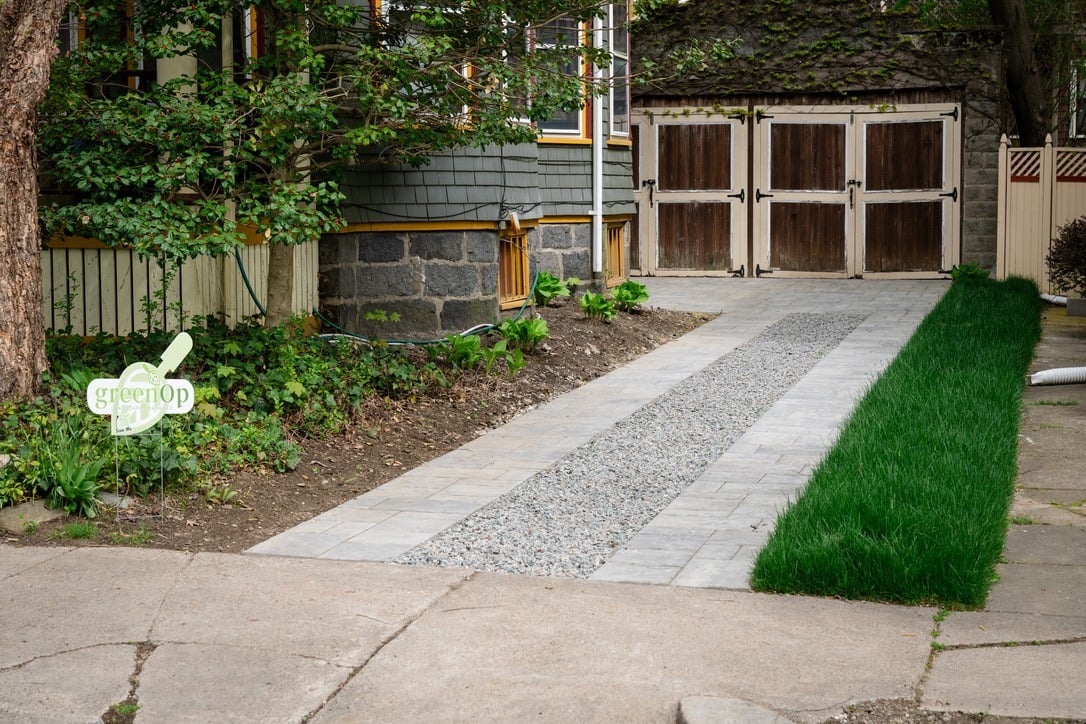
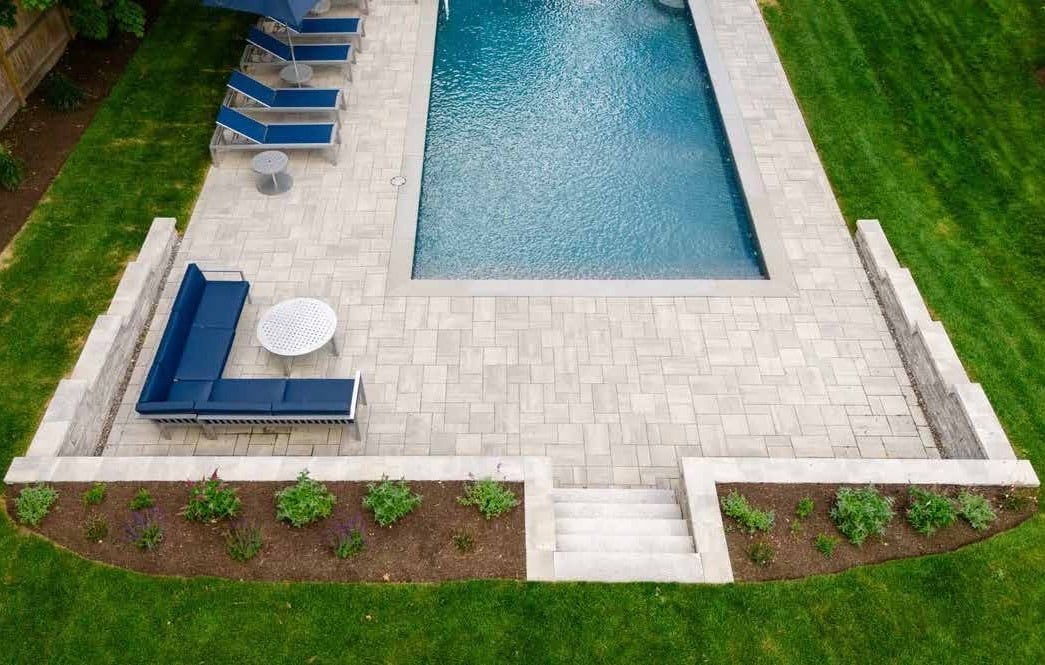
Patios, retaining walls, and masonry built with structural precision so your landscape performs for decades.

Clear communication, organized crews, and a smooth process from the first consultation to the final cleanup.

DESIGN + BUILD
Most landscaping companies are either too small to handle complex stonework or too large to care about a single patio. At GreenOp, we found our home in the middle. We specialize in high-impact projects — from custom pavers and retaining walls to outdoor kitchens — for homeowners who value precision over project size.

SEE OUR WORK
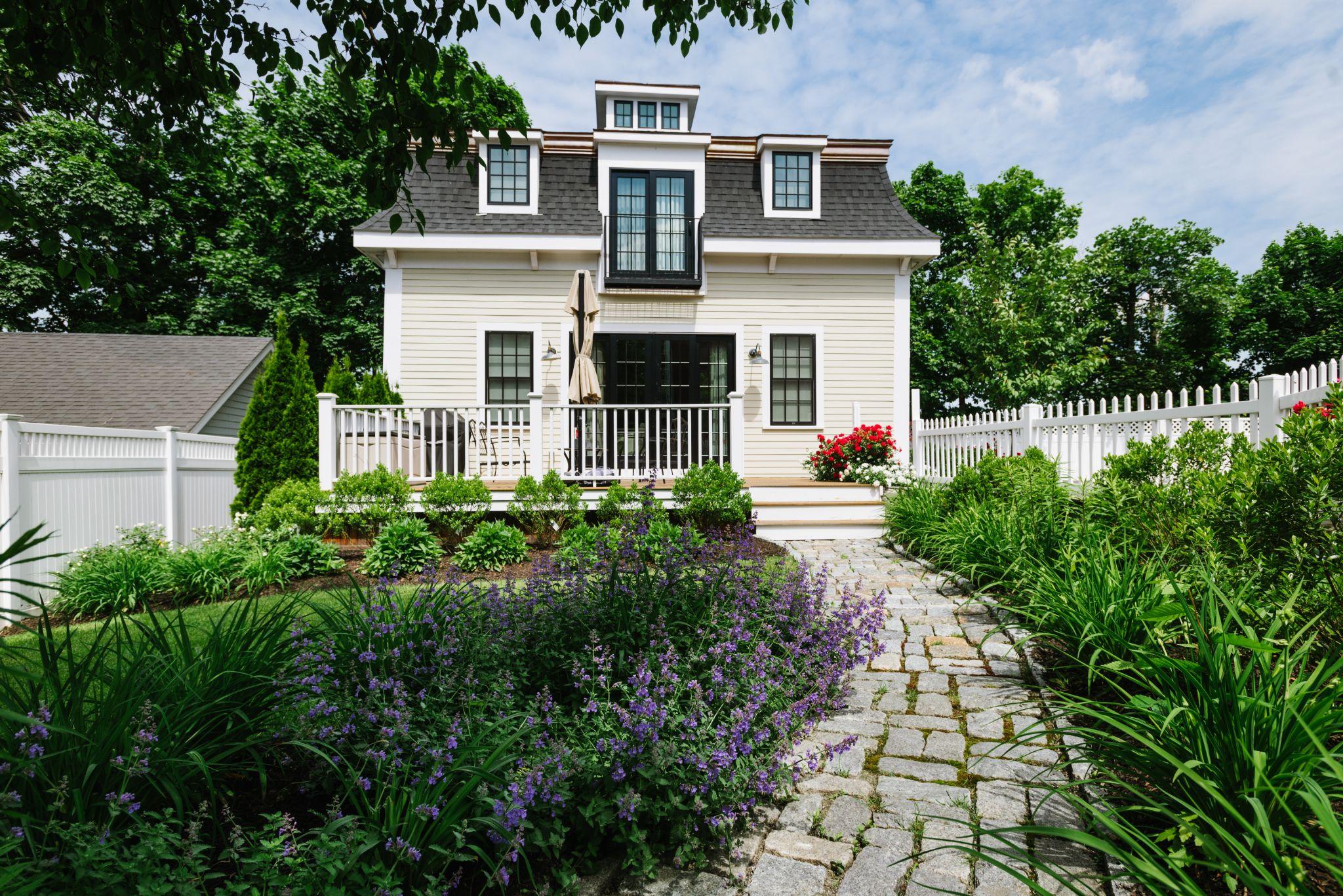
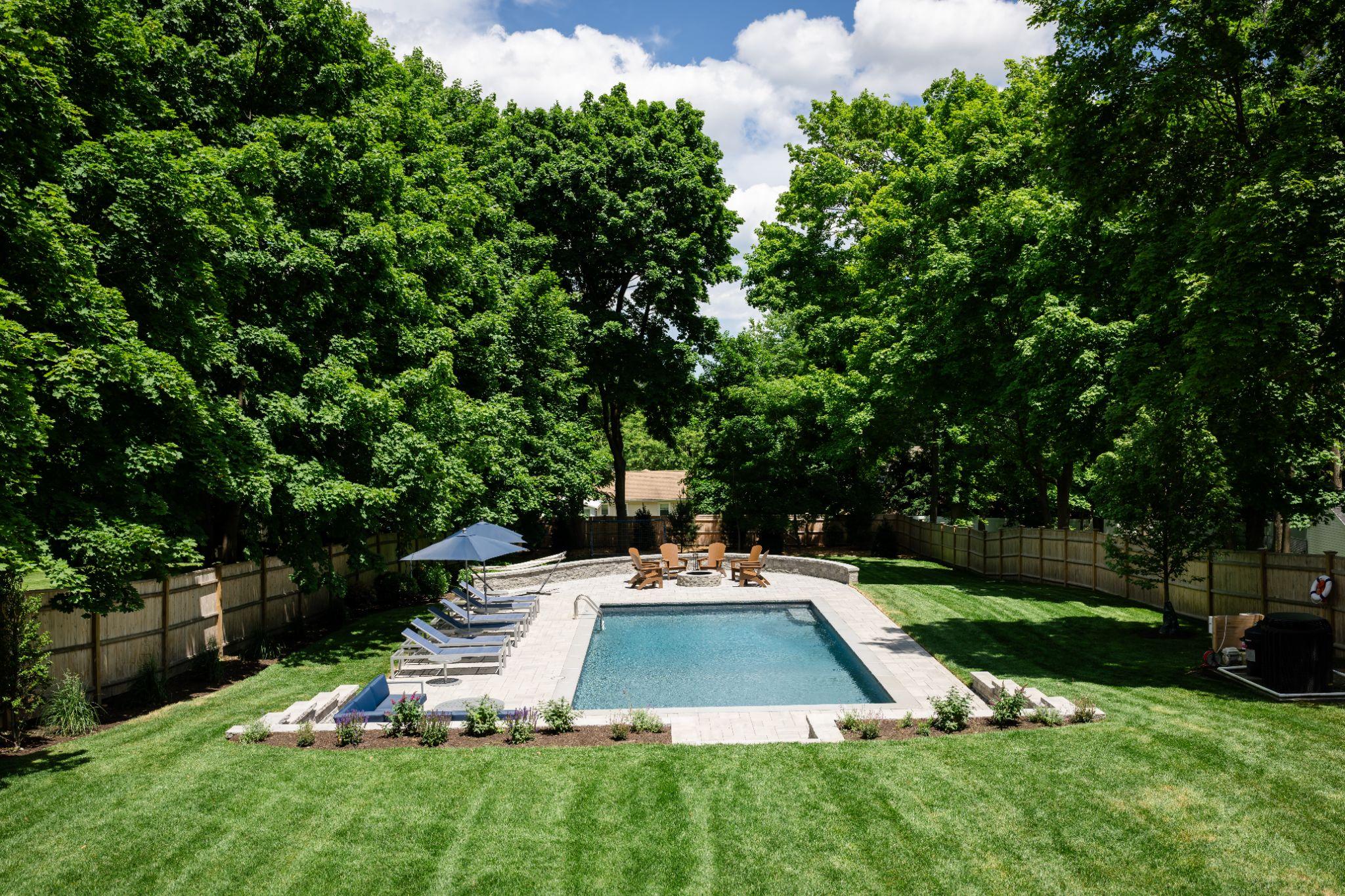
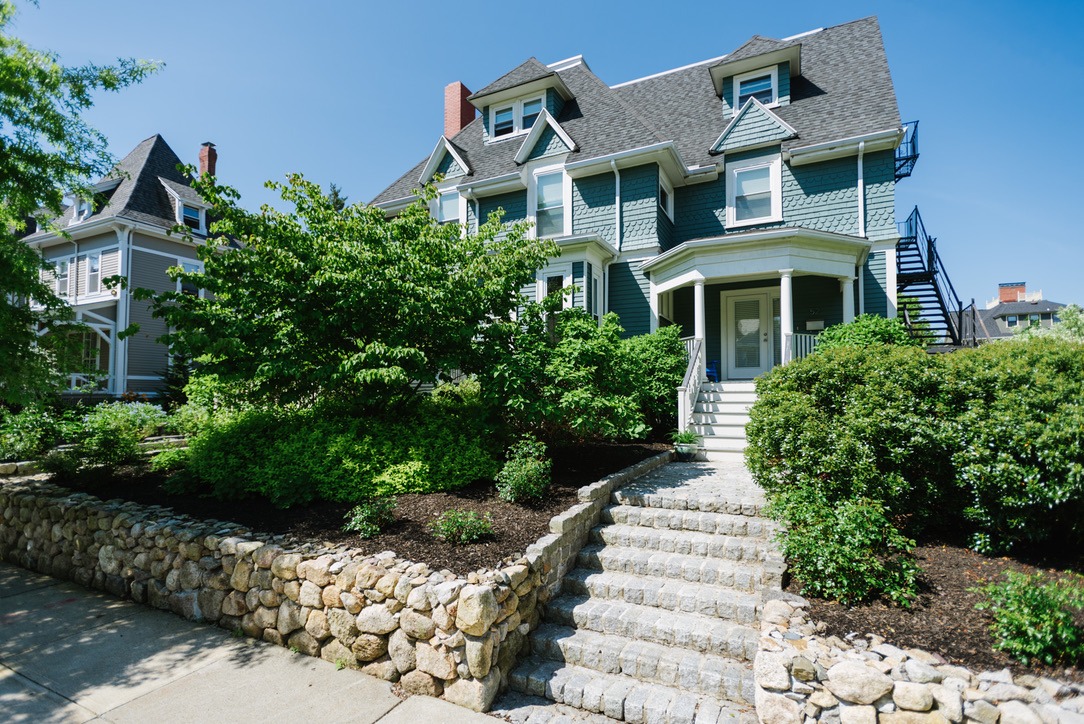
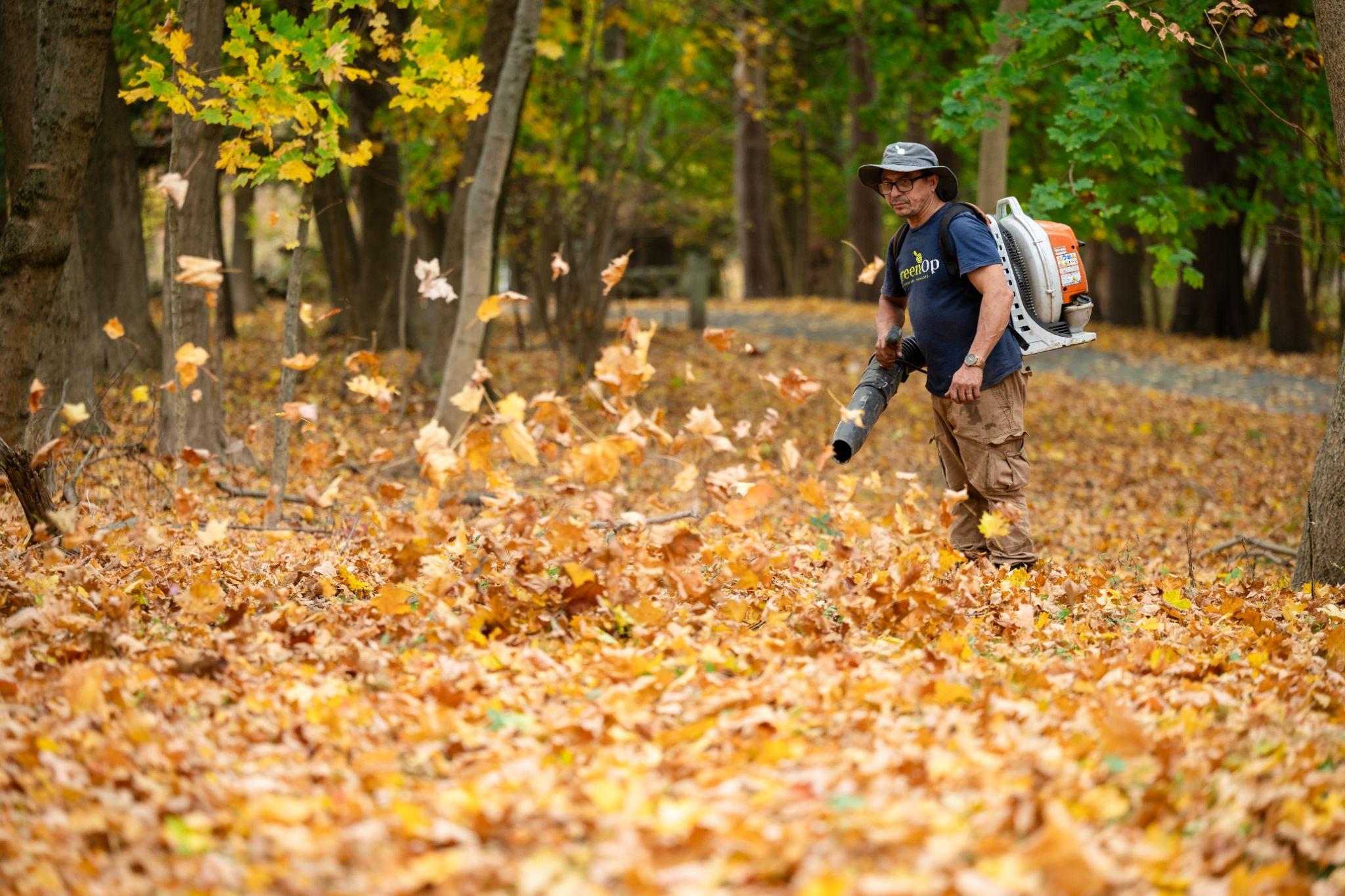
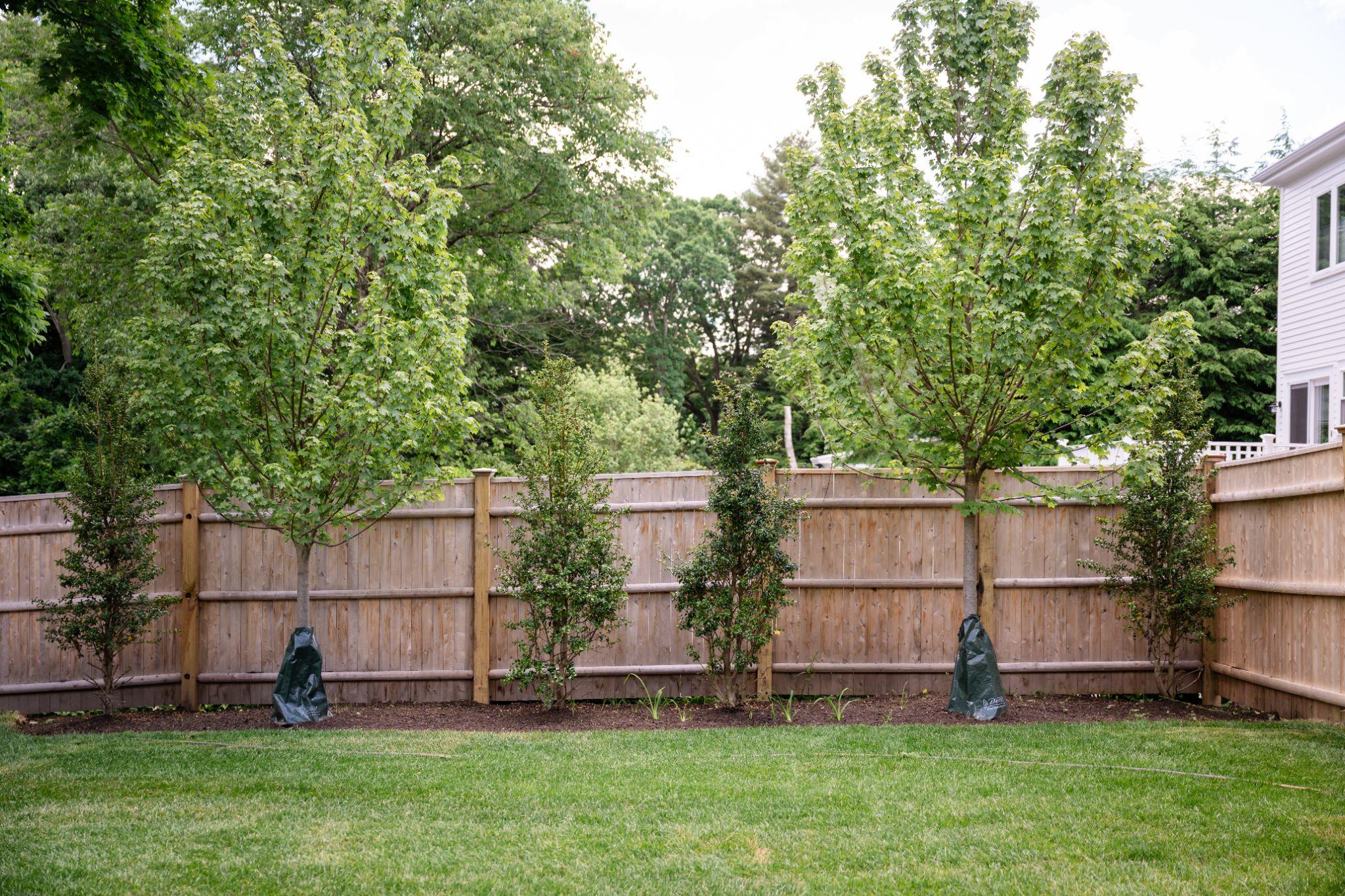
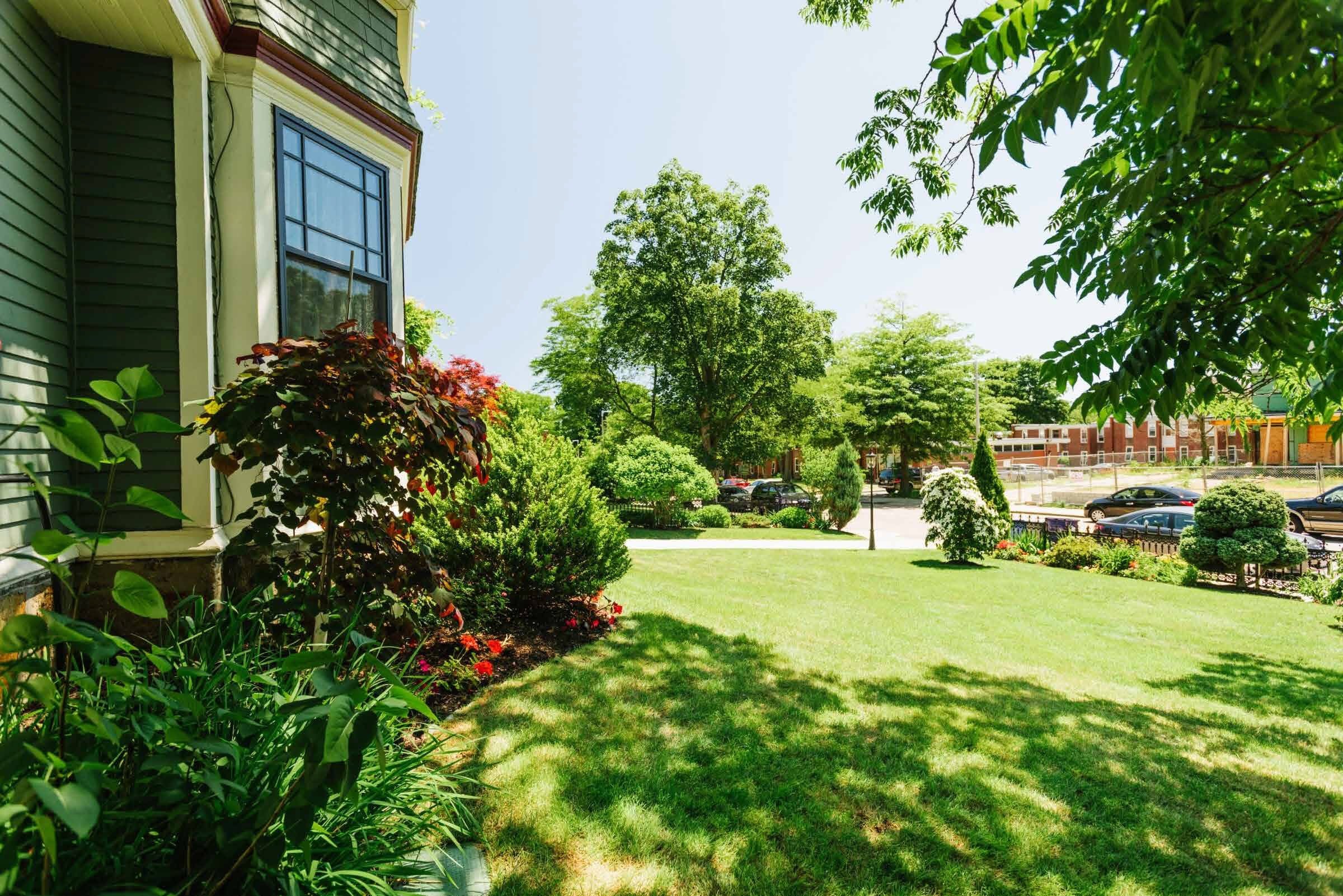
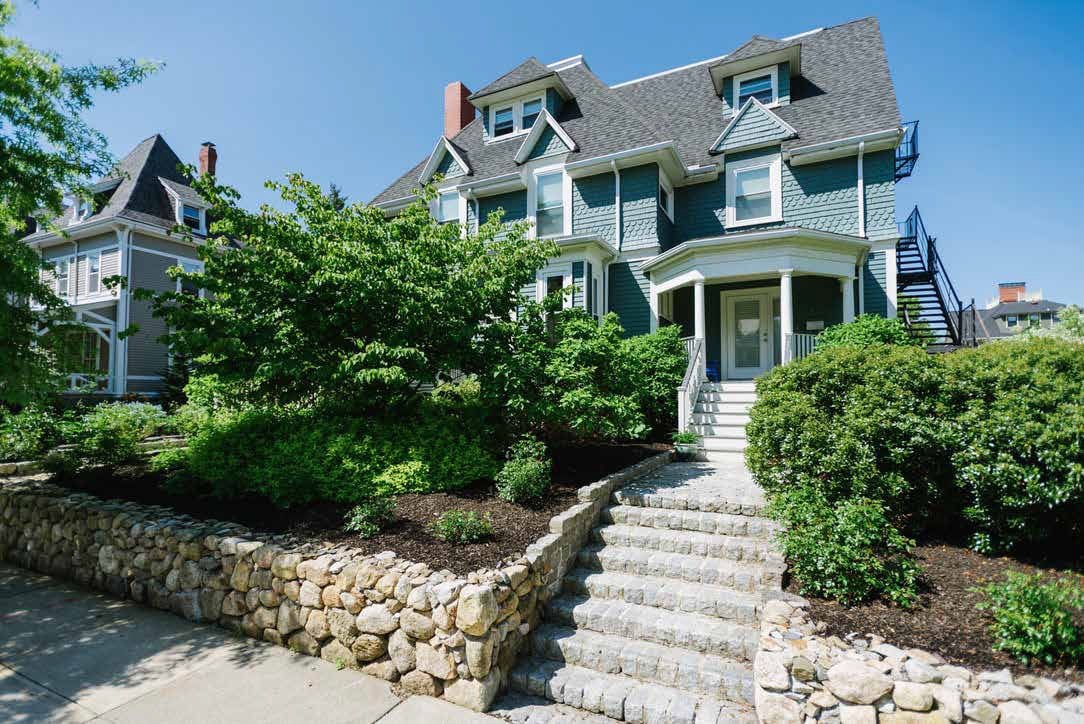
Take a look at some of the outdoor spaces we’ve transformed across Milton and the Greater Boston area — from custom patios and retaining walls to complete outdoor living environments. Every project reflects the same goal: thoughtful design, expert craftsmanship, and landscapes built to last.

GET AN INSTANT ESTIMATE
Planning a patio, retaining wall, or outdoor living space?
Our quick estimate tool gives you a rough cost range to help you
understand what your project might look like — before
committing to a consultation.

OUR SERVICES
Your landscape should enhance your home or business without adding to your to-do list. Our services make that possible for you.
CLIENTS LOVE WORKING WITH GREENOP
OUR PROCESS
A seamlessly managed experience. Your landscape should reflect your vision without added stress. Our process keeps things simple:

Collaborate with our team to craft a plan that aligns with your property’s aesthetic, maintenance preferences, and unique characteristics, ensuring a functional and beautiful design.

Our experienced crew works efficiently, keeping disruptions minimal while ensuring quality that enhances your outdoor space with a professional and refined result.

We ensure healthy plants, pristine hardscapes, and proactive solutions that keep your property looking its best season after season, all with minimal effort on your part.

Our team is available for questions or additional services, providing expert support and a commitment to maintaining your property’s beauty long after the initial project is complete.



Garden design is a blend of art, science, and nature. It is influenced by many factors including climate change, societal changes, inventions, and aesthetic trends. With the rapid development in technology and an increasing focus on sustainability and biodiversity, we can expect some big shifts in gardening trends by 2025. Let’s explore what landscape designers are forecasting as the top garden trends in the next few years.
The rise of technology has not left gardening untouched. Landscape designers predict that smart gardens will become even more popular by 2025. These include using devices such as soil sensors to monitor nutrient levels and moisture, automated watering systems that adjust based on weather forecasts or plant needs, and even robotic lawn mowers.
These technologies not only reduce manual labor but also optimize resource use – an increasingly important consideration as water scarcity becomes a bigger global issue.
Concerns about climate change and ecological balance will continue to drive sustainable practices in gardening. This could mean more gardens with native plants that are adapted to local climates and therefore require less water and maintenance.
Another anticipated trend is ‘wild’ or ‘mesic’ landscaping – using plants that thrive naturally in the surrounding environment without much human intervention. This type of landscaping offers the double advantage of lower maintenance while preserving local biodiversity.
Urbanization is one of the most significant global trends influencing garden design. Landscape designers predict a surge in green spaces within urban areas aimed at improving air quality, reducing heat-island effect, providing habitats for wildlife, and offering recreational space for city-dwellers.
This could include rooftop gardens or vertical gardens on walls of buildings – both efficient uses of space within densely populated cities.
With increasing awareness about mental health issues comes increased interest in therapeutic landscapes. Gardens can be designed to promote a sense of calm and wellbeing, for example using aromatic plants, water features for soothing sound or shade-providing trees for relaxation.
Another rising trend is edible landscaping – integrating vegetables, fruits and herbs into decorative garden layouts. This trend reflects a growing desire for organic, locally-sourced food as well as the satisfaction of growing one’s own produce.
In summary, the gardening trends of 2025 will likely reflect our evolving relationship with nature – balancing the benefits of technology with a greater focus on sustainability and wellbeing. As we face various global challenges, our gardens can be seen not just as aesthetic or recreational spaces but also as contributors to a sustainable future.
Landscaping trends are consistently evolving and adapting to the needs and desires of homeowners. As we look towards 2024, several pioneering trends promise to revolutionize the way we interact with our outdoor spaces. Here are five innovative gardening trends that you can implement in your landscaping design next year.
With advancements in technology, smart gardening has become a significant trend. From automatic watering systems to soil sensors, technology can now help you manage your garden more efficiently. These smart devices can monitor weather patterns, measure soil moisture levels and even dispense the right amount of water or nutrients required by your plants.
Edible landscaping is not just about growing food; it’s about creating a visually pleasing space that also yields produce. This innovative trend encourages homeowners to mix ornamental plants with vegetables, fruits or herbs, creating a landscape that’s both beautiful and functional.
In 2024, landscaping design will focus more on creating an ecosystem rather than just arranging plants aesthetically. A rise in environmentally conscious consumers has led to the increasing popularity of wildlife-friendly gardens that attract birds, bees and butterflies by providing food sources and habitats for them.
Sustainable practices are set to dominate the landscaping scene next year as well. From composting kitchen waste for garden use to using native plants that require less water, these practices aim at reducing carbon footprint while keeping gardens lush and healthy.
With homeowners wanting to enjoy their outdoor spaces all year round, multi-season landscaping is gaining momentum. This trend involves using plants that offer visual interest throughout the year – from spring blossoms and summer fruits to autumn foliage and winter berries.
Implementing these innovative gardening trends in your landscape design for 2024 will not only enhance the visual appeal of your outdoor space but also provide a sustainable and nurturing environment for local flora and fauna.
While these trends offer a new way to embrace nature, remember that the choice of design should ultimately depend on personal preference, local climate and the specific requirements of your garden. After all, the most significant landscaping trend is creating a space that brings you joy and peace. So, whether you decide to turn your garden into an edible paradise or a haven for wildlife, make sure it reflects your passion and personality.
Garden design is a complex and rewarding process that requires careful planning, attention to detail, and a profound understanding of the natural environment. This comprehensive guide will walk you through everything you need to know about creating a beautiful and functional garden space.
Different plants thrive in different climate zones. Therefore, understanding your local climate zone is crucial when choosing plants for your garden. In the U.S., these zones are mapped by the Department of Agriculture (USDA). Make sure to consult this guide when choosing plants.
Once you’ve decided on a style and understood your plant zones, it’s time to sketch out your layout. It’s recommended that you use grid paper for accuracy. Draw out where you want flower beds, pathways, or any outdoor structures like arbors or pergolas.
Remember to consider factors such as: – Sunlight exposure – Soil conditions – Drainage requirements
Once you’ve drafted and chosen your plants, finalize your design by adding finer details like outdoor furniture or lighting.
Once your plan is finalized, it’s time to break ground. Start with any hard landscaping (like pathways or decking), move onto planting trees and shrubs, and then add in smaller plants and flowers last.
Garden design is a journey that requires patience and continuous learning. With this guide as your reference, you’re well on your way to creating a vibrant living canvas that reflects your personal style while harmonizing with the natural environment. Remember to enjoy the process as much as the end product–your personal garden oasis.
Designing an outdoor sanctuary, your very own personal oasis, is a rewarding investment. It not only adds value to your property but also provides a space for relaxation, entertainment, and quality time with family and friends. This process might seem overwhelming at first glance, especially if you are starting from scratch. However, by following these steps, you can make this task manageable and enjoyable.
The first step towards designing your personal oasis is understanding the space you are working with. It is essential to measure your yard accurately and note down the dimensions.
Next, identify what you want from your outdoor sanctuary.
With a clear understanding of the space and requirements in hand, you can now develop a master plan.
With comprehensive planning complete, it’s time to roll up your sleeves.
– Define boundaries using fences or hedges
– Install larger elements like arbors, pergolas or gazebos
– Lay out walkways and paths
– Plant trees, shrubs, and flowers as per your design
– Add grass or ground cover in the designated areas
– Consider adding mulch around plants to conserve water and reduce weeds
Remember, designing your personal oasis does not have to be completed all at once. It can evolve over time, reflecting changes in your lifestyle and preferences. Start small, enjoy the process, and soon you will have an outdoor space that is not only beautiful but truly yours.
As we approach the year 2025, horticulture is set to break new ground with innovative trends, techniques and approaches predicted by industry leaders. The landscape experts have brought to light various themes that they believe will shape the future of gardening and landscaping.
Sustainability will continue to be a central theme in horticulture. Gardeners will focus on cultivating plants that require less water, choosing native plants over exotic species that might not thrive well without intensive care. Composting and recycling garden waste is also expected to become commonplace.
With urban areas becoming more populated, there is an increasing need for green spaces within cities. Vertical gardens, rooftop gardens, balcony gardens, and indoor plants are all expected to be part of this trend.
Gardens are no longer just about aesthetics; they’re also about promoting health and well-being. Therapeutic gardens designed with calming elements like water features or aromatic plants are expected to become popular. These spaces encourage relaxation and offer a respite from daily stressors.
Re-wilding involves letting nature take its course, allowing gardens to grow in a more natural and less manicured way. This trend is all about creating spaces that attract and support local wildlife, with native plants providing a habitat for various creatures.
In 2025, there will likely be a greater emphasis on horticulture education. More people are becoming interested in understanding how to care for plants properly, contributing to their own sustainable ecosystems at home.
The future of horticulture in 2025 looks exciting and challenging. It promises new techniques and trends that aim to make gardening more efficient, sustainable, and meaningful.

ABOUT GREENOP
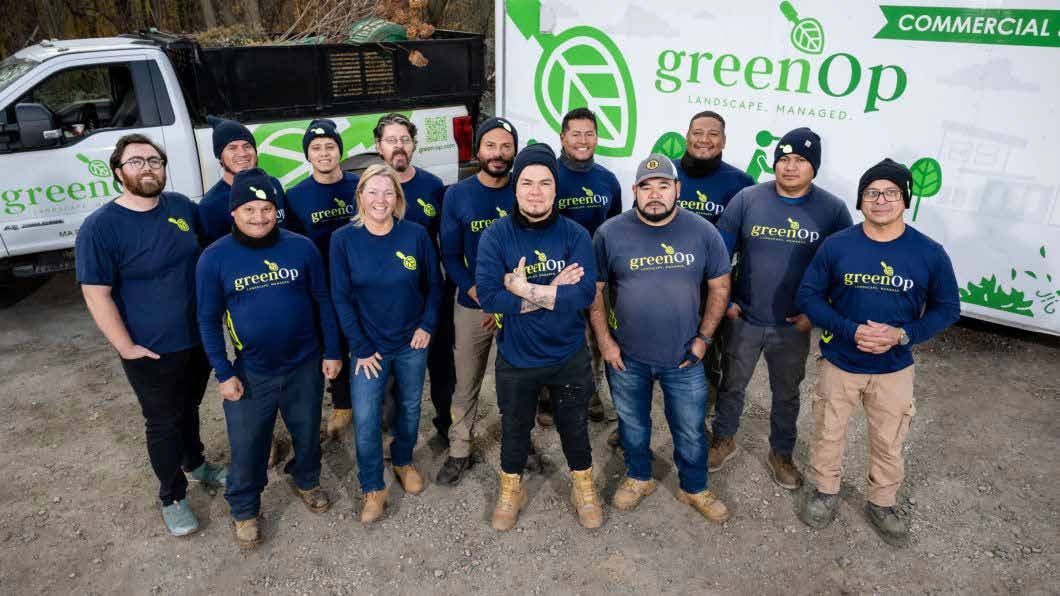
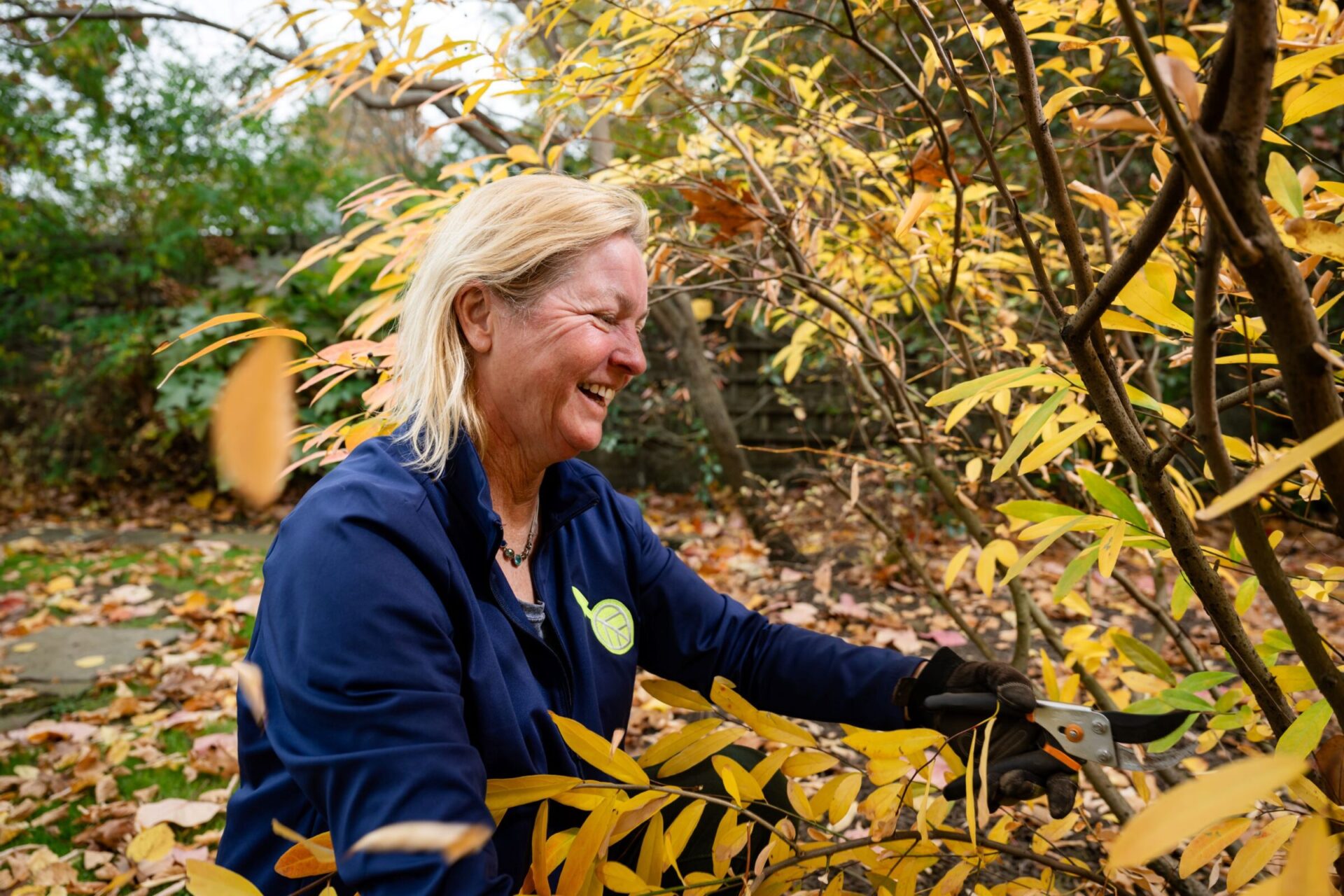
GreenOp Landscape is a professional, full-service landscaping company dedicated to making your property look and function at its best. With a focus on thoughtful design, efficient installation, and year-round maintenance, you get high-quality results without the hassle.
ABOUT GREENOP
Explore examples of landscapes we’ve designed and installed for homeowners throughout the region.

LET’S GET STARTED
Never worry about landscape maintenance again. Contact GreenOp Landscape today.