Best Landscaping Services in
in Brookline, MA.
Professional Landscaping for Homes & Businesses
Throughout the Greater Boston Area


Professional Landscaping for Homes & Businesses
Throughout the Greater Boston Area


Big enough for complex stonework, small enough to care about every patio, wall, and outdoor space.

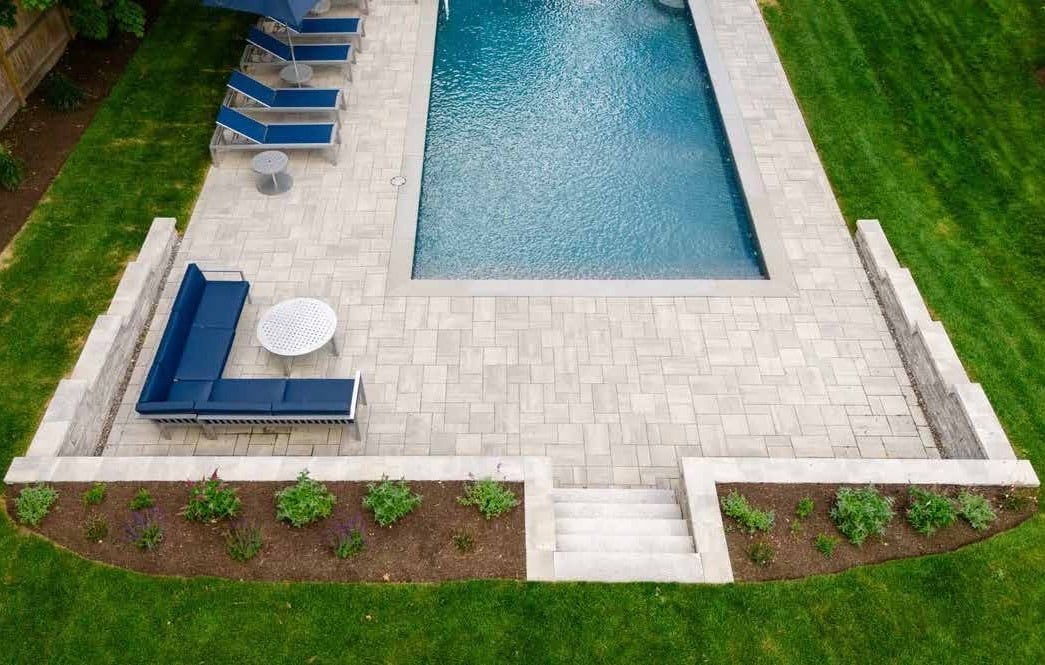
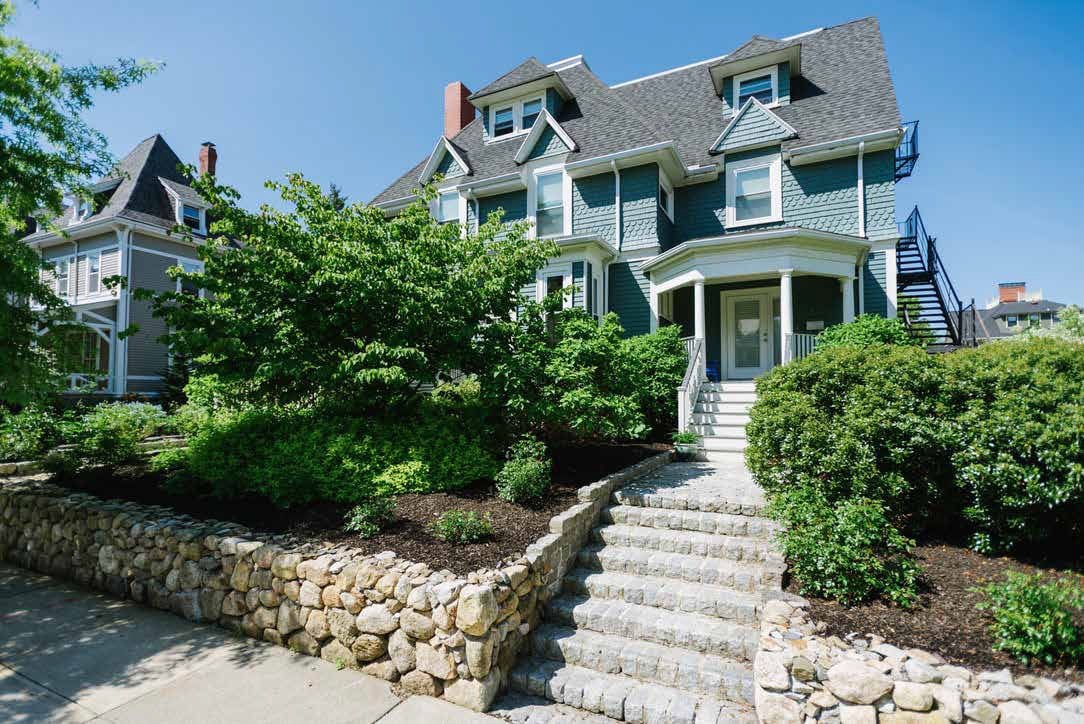
Patios, retaining walls, and masonry built with structural precision so your landscape performs for decades.

Clear communication, organized crews, and a smooth process from the first consultation to the final cleanup.

DESIGN + BUILD
Most landscaping companies are either too small to handle complex stonework or too large to care about a single patio. At GreenOp, we found our home in the middle. We specialize in high-impact projects — from custom pavers and retaining walls to outdoor kitchens — for homeowners who value precision over project size.

SEE OUR WORK
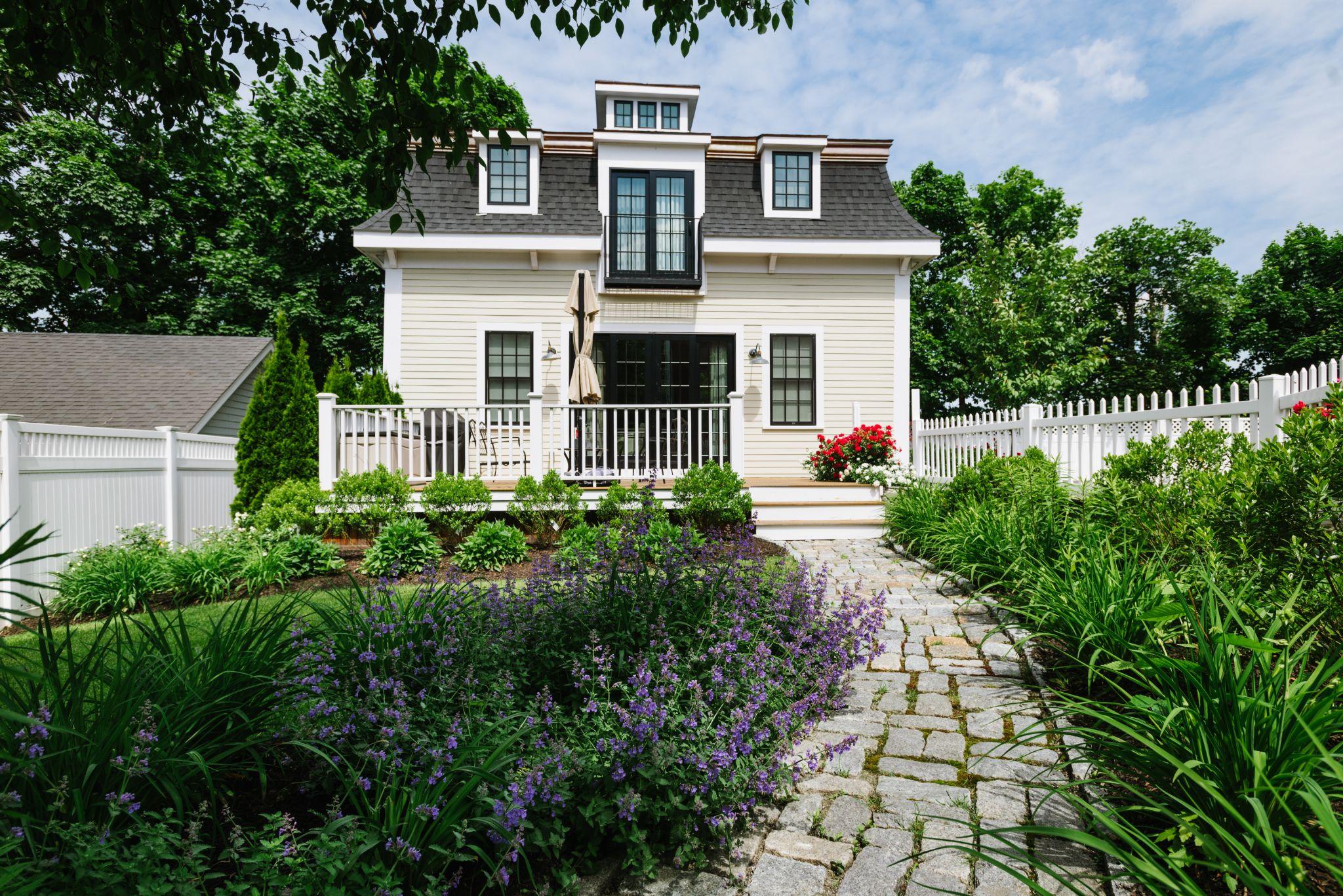
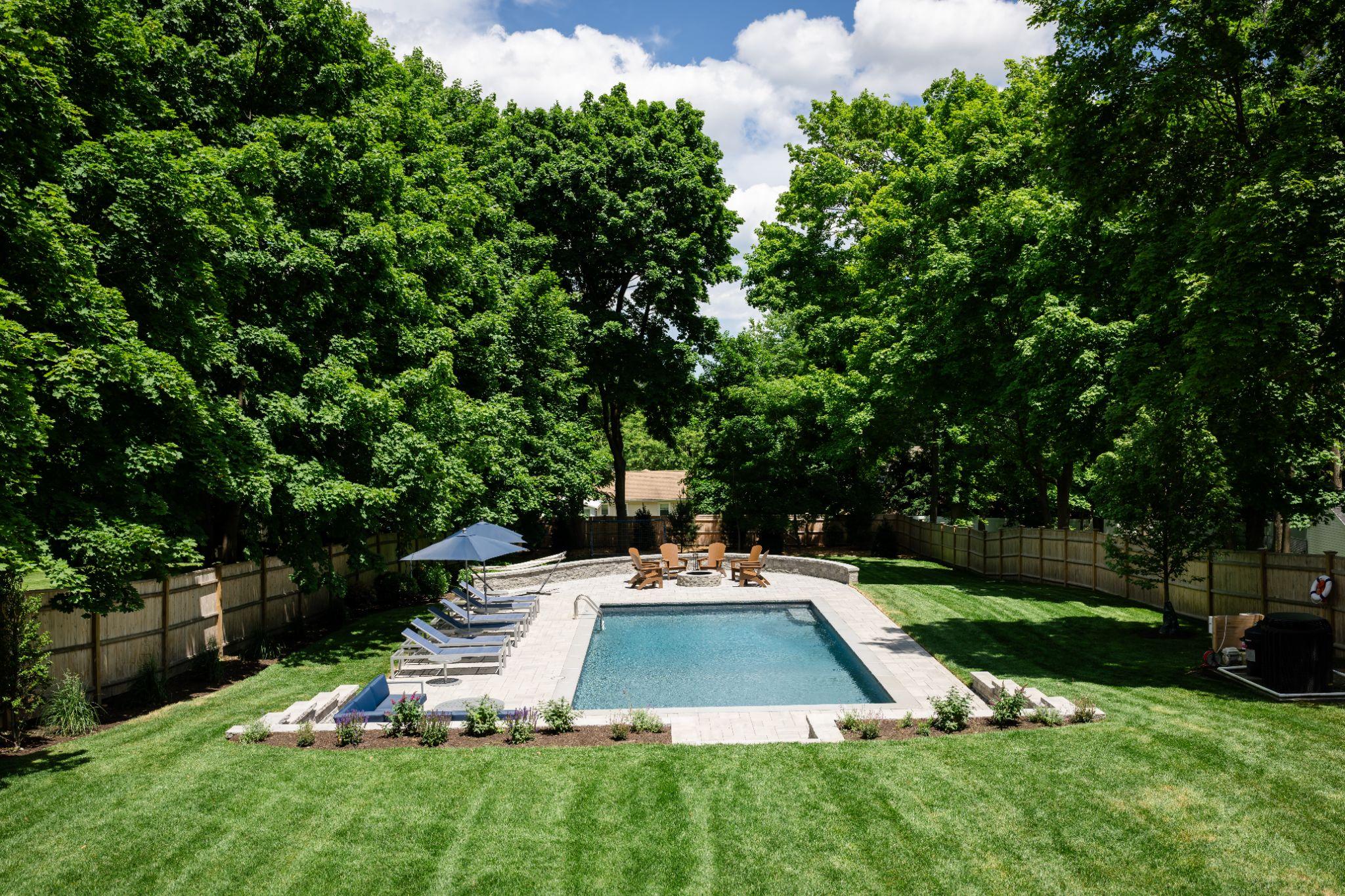
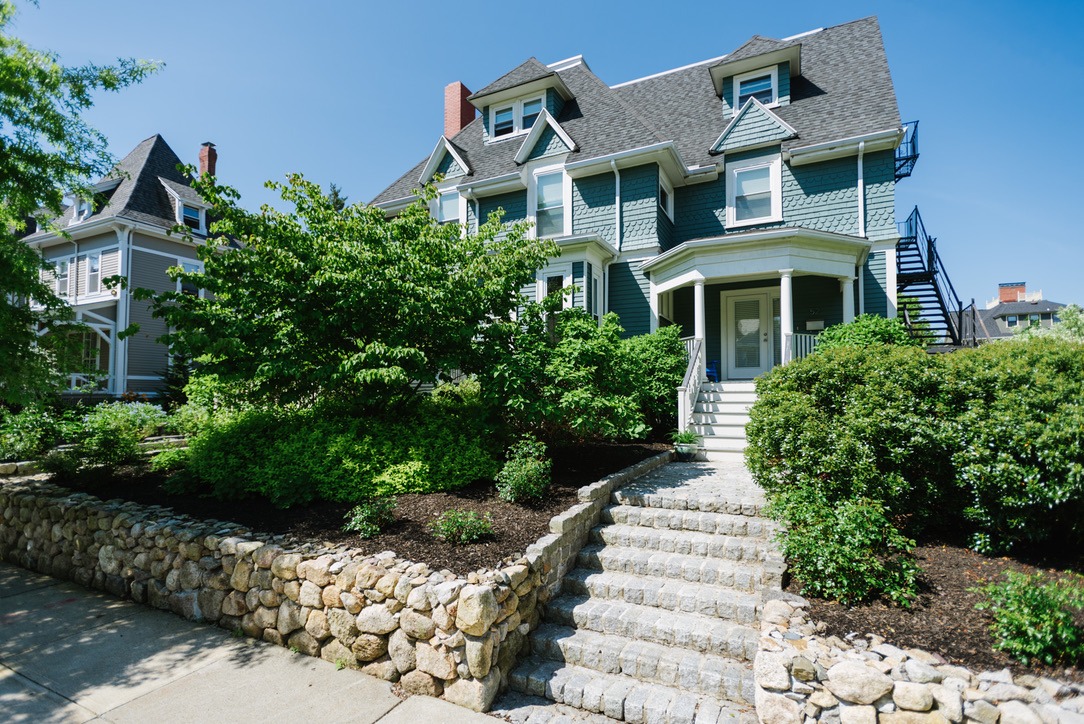
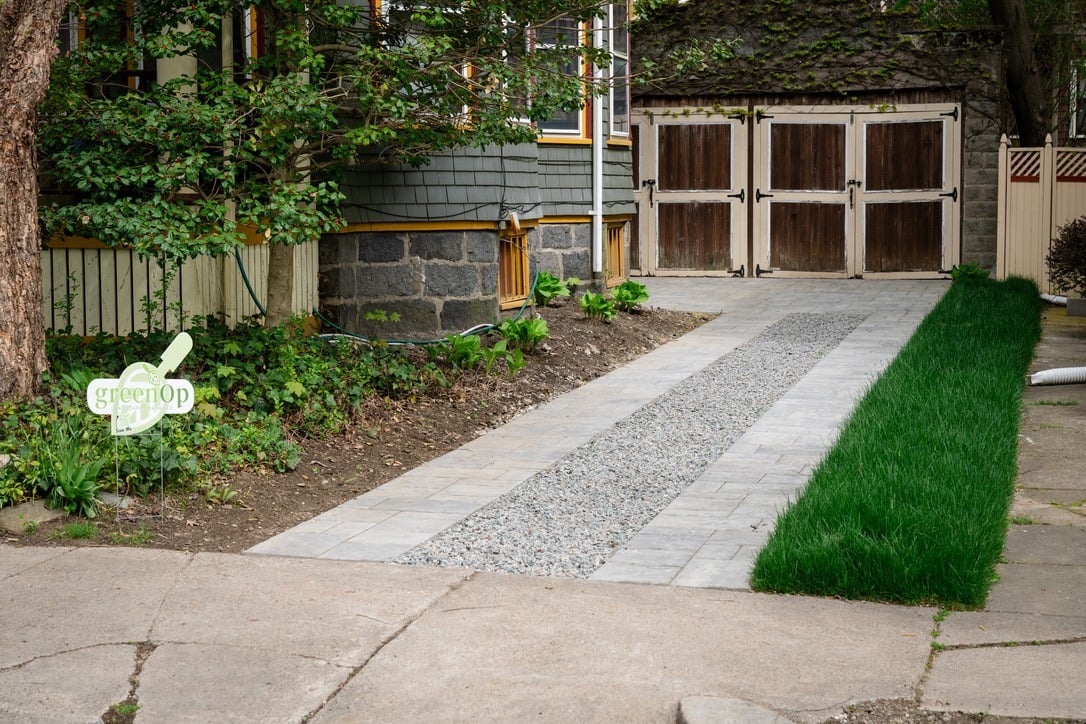
Take a look at some of the outdoor spaces we’ve transformed across Milton and the Greater Boston area — from custom patios and retaining walls to complete outdoor living environments. Every project reflects the same goal: thoughtful design, expert craftsmanship, and landscapes built to last.

GET AN INSTANT ESTIMATE
Planning a patio, retaining wall, or outdoor living space?
Our quick estimate tool gives you a rough cost range to help you
understand what your project might look like — before
committing to a consultation.

OUR SERVICES
Your landscape should enhance your home or business without adding to your to-do list. Our services make that possible for you.
CLIENTS LOVE WORKING WITH GREENOP
OUR PROCESS
A seamlessly managed experience. Your landscape should reflect your vision without added stress. Our process keeps things simple:

Collaborate with our team to craft a plan that aligns with your property’s aesthetic, maintenance preferences, and unique characteristics, ensuring a functional and beautiful design.

Our experienced crew works efficiently, keeping disruptions minimal while ensuring quality that enhances your outdoor space with a professional and refined result.

We ensure healthy plants, pristine hardscapes, and proactive solutions that keep your property looking its best season after season, all with minimal effort on your part.

Our team is available for questions or additional services, providing expert support and a commitment to maintaining your property’s beauty long after the initial project is complete.



One of the most significant decisions in professional landscaping is whether to include plant life or not. This decision can greatly affect not just the aesthetics, but also the functionality and maintenance requirements of the land.
However, planting does come with certain challenges that must be considered.
Alternatively, there might be situations where incorporating non-plant elements into a landscape design might be preferable. These could be hardscape elements like patios, walkways or water features.
In conclusion, whether to plant or not in professional landscaping depends on your personal preference, available resources, climate conditions and the specific requirements of the landscape. It’s all about creating a balance between aesthetics and functionality. A professional landscaper would be adept at understanding your needs and providing suitable solutions, ensuring a landscape design that is unique to you.
One of the most significant factors that influence successful landscaping is identifying and understanding the ideal zone for landscape installation. Generally, these zones are geographically defined areas which indicate where specific plants can grow based on conditions such as climate, soil type, and light exposure.
Different plant species thrive under varying conditions. As such, understanding what plants are ideal for your specific zone will help you decide which ones to include in your landscape design.
Commonly used by gardeners and farmers, hardiness zones are a standard way to identify the climate conditions suitable for growing particular types of plants. The United States Department of Agriculture (USDA) has designed a Plant Hardiness Zone Map that divides North America into 11 separate zones. Each individual zone is approximately 10 degrees Fahrenheit warmer or colder in an average winter than its neighboring zone.
Knowing this information helps determine which plants will best suit your landscape based on average lowest winter temperatures.
Another important consideration when determining the ideal landscape installation zone is understanding heat tolerance of different plants – often referred to as heat zones.
The American Horticultural Society (AHS) created a Heat-Zone Map dividing North America into 12 separate zones based on average annual high temperatures.
You can check the AHS Heat-Zone Map to understand which plants can tolerate heat conditions in your area, thereby ensuring their survival during hot summers.
Within these larger geographical areas, it’s essential also to consider microclimates – smaller areas within a defined geographical area where the climate differs from the surrounding area.
Elements such as buildings, bodies of water, or hills and valleys can affect microclimates by altering wind patterns and sunlight exposure. Understanding these small variances can help you create a landscape design that takes full advantage of your specific location.
Different plants thrive in different soil types. Sandy, clay, or loamy soils all have unique characteristics which can affect plant growth. Therefore, determining the soil type in your landscaping zone is crucial.
Soil testing services are available to assess the composition of your soil and make recommendations about which plants may thrive best in those conditions, or what amendments may be necessary to improve your soil for a wider variety of plantings.
By understanding these elements – hardiness zones, heat zones, microclimates, and soil types – you can make informed decisions about landscape installation for your specific area. With this knowledge at hand, you are better equipped to create a beautiful and thriving landscape that will flourish throughout the year.
Light exposure is a crucial factor that greatly influences landscape design. A profound understanding of light exposure can help us create a thriving, vibrant, visually appealing landscape. Different plants have different sunlight requirements, and placing them in areas with appropriate light conditions ensures their optimal growth and longevity.
There are three main types of light exposure: Full Sun, Partial Sun/Shade, and Full Shade.
Understanding the patterns of light exposure across your landscape assists you in creating an aesthetically pleasing yet functional design. It helps you strategically place plants where they’ll not only grow best but also contribute to the overall look you’re trying to achieve.
Whether you’re a professional landscaper or an avid gardener, understanding how light exposure impacts landscape design is key to creating beautiful, thriving outdoor spaces. By carefully considering sun and shade patterns in your yard, you can select and place plants in ways that promote their health and highlight their beauty — contributing to a successful landscape design.
Soil composition plays a significant role in the success and sustainability of any landscaping project. The different types of soils each have unique characteristics, advantages, and limitations, and understanding these can help guide your choice of plants and overall design.
Different plants have different requirements for their growth and survival. Some plants prefer sandy soils with excellent drainage properties while others thrive in clayey soils that retain water longer. The nutrient content also varies across different soil types – for instance; loamy soils are usually more fertile than sandy soils due to the presence of a higher percentage of organic matter.
It’s worth noting that some elements required by plants such as nitrogen, phosphorus and potassium are absorbed better in certain soil pH levels.
In summary, knowing the composition of your soil is crucial for successful landscaping. This knowledge allows you to select suitable plants and implement appropriate soil improvement methods, therefore ensuring a healthier and more sustainable landscape.
When planning your landscaping design, one aspect that may not immediately come to mind is the local wildlife. However, the potential impact of wildlife on your residential or commercial landscaping design can be significant. Everything from small insects to large mammals has the potential to influence how well your landscaping thrives and endures.
Insects play an essential role in pollination, a crucial process in plant reproduction. Bees, butterflies, and other pollinators are beneficial for flower beds and vegetable gardens alike. However, some insects can be detrimental to plants’ health. Aphids, caterpillars, and Japanese beetles can cause damage to leaves and stems, negatively impacting your plant’s growth and aesthetic.
Birds contribute significantly to the natural control of pest populations. They eat insects that can harm your plants while also playing a major function in spreading seeds across various areas. On the flip side, birds may also target your fruits or vegetables if you have them. A well-thought-out landscape design would include bird-friendly features (like birdhouses or feeders) that encourage these feathered friends’ presence without jeopardizing your plants.
Small mammals such as rabbits, squirrels, moles, and gophers can present a challenge for homeowners and commercial property owners alike due to their propensity for burrowing and chewing on plant roots or bark. If you live in an area where these animals are common, it’s important to consider deterrent methods or choose hardy plants less likely to be appealing as food sources.
Larger wildlife like deer can have a dramatic impact on your landscape design if they start nibbling on flowers or shrubs you’ve planted. They may be drawn by certain types of plants; therefore selecting deer-resistant species could help protect your garden without the need for fences or other direct deterrents.
Incorporating considerations about wildlife into your landscape design is not only important for protecting your investment but also contributes to creating a balanced ecosystem within your property. It represents a sustainable and environmentally friendly approach to landscaping that can result in a beautiful, thriving outdoor space.

ABOUT GREENOP
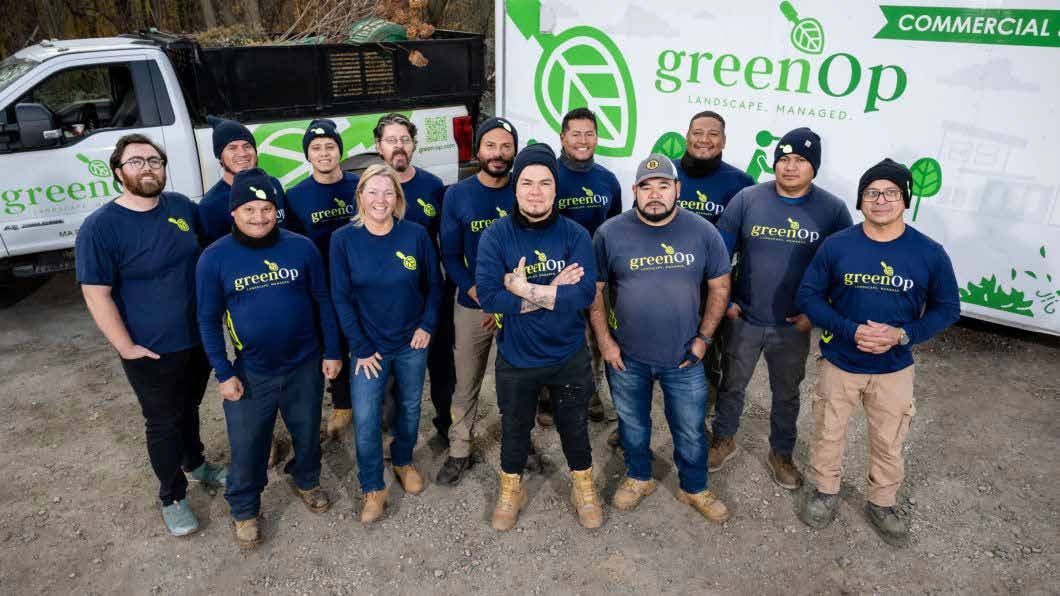
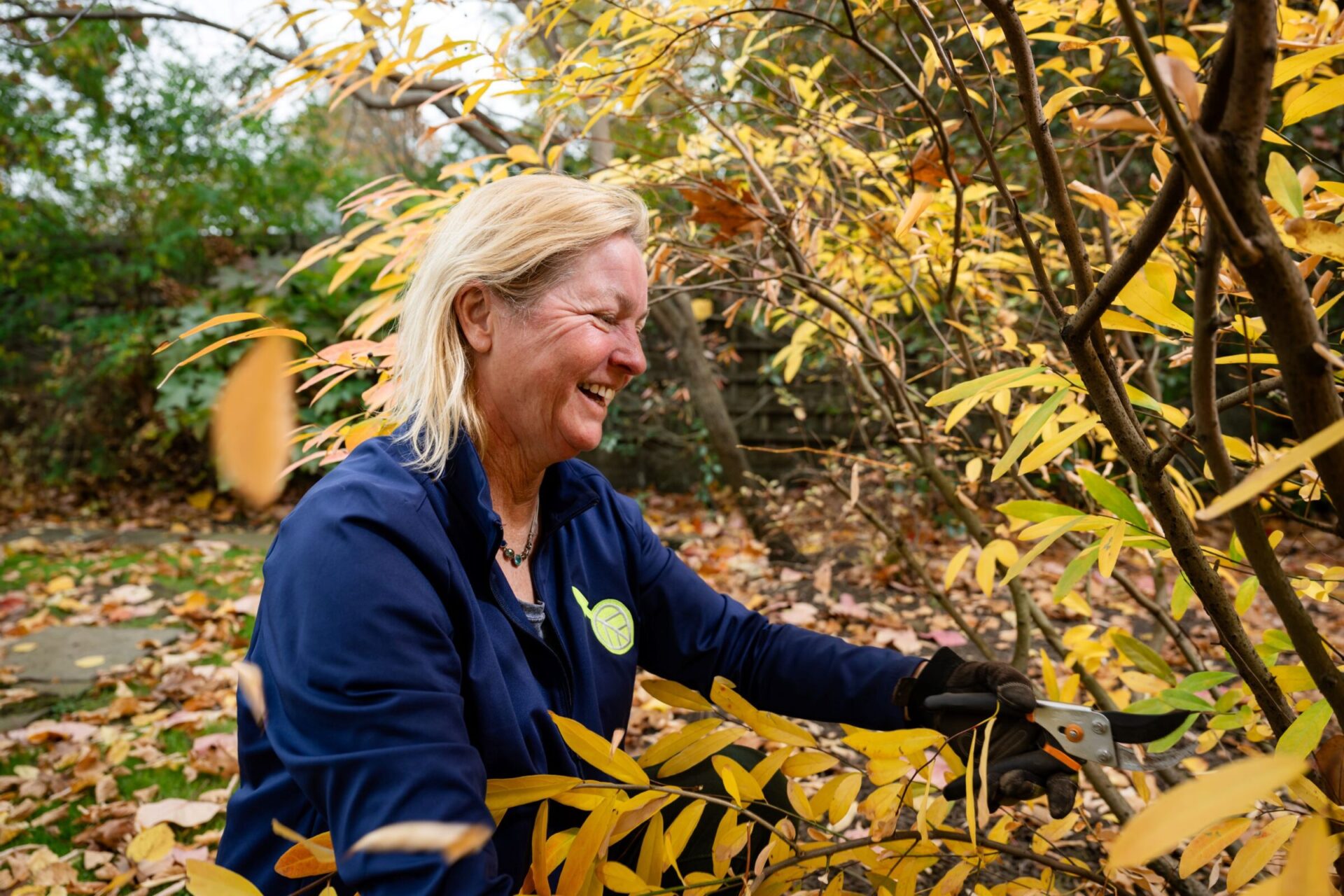
GreenOp Landscape is a professional, full-service landscaping company dedicated to making your property look and function at its best. With a focus on thoughtful design, efficient installation, and year-round maintenance, you get high-quality results without the hassle.
ABOUT GREENOP
Explore examples of landscapes we’ve designed and installed for homeowners throughout the region.

LET’S GET STARTED
Never worry about landscape maintenance again. Contact GreenOp Landscape today.