Best Landscaping Services in
in Weymouth, MA.
Professional Landscaping for Homes & Businesses
Throughout the Greater Boston Area


Professional Landscaping for Homes & Businesses
Throughout the Greater Boston Area


Big enough for complex stonework, small enough to care about every patio, wall, and outdoor space.

Patios, retaining walls, and masonry built with structural precision so your landscape performs for decades.

Clear communication, organized crews, and a smooth process from the first consultation to the final cleanup.

DESIGN + BUILD
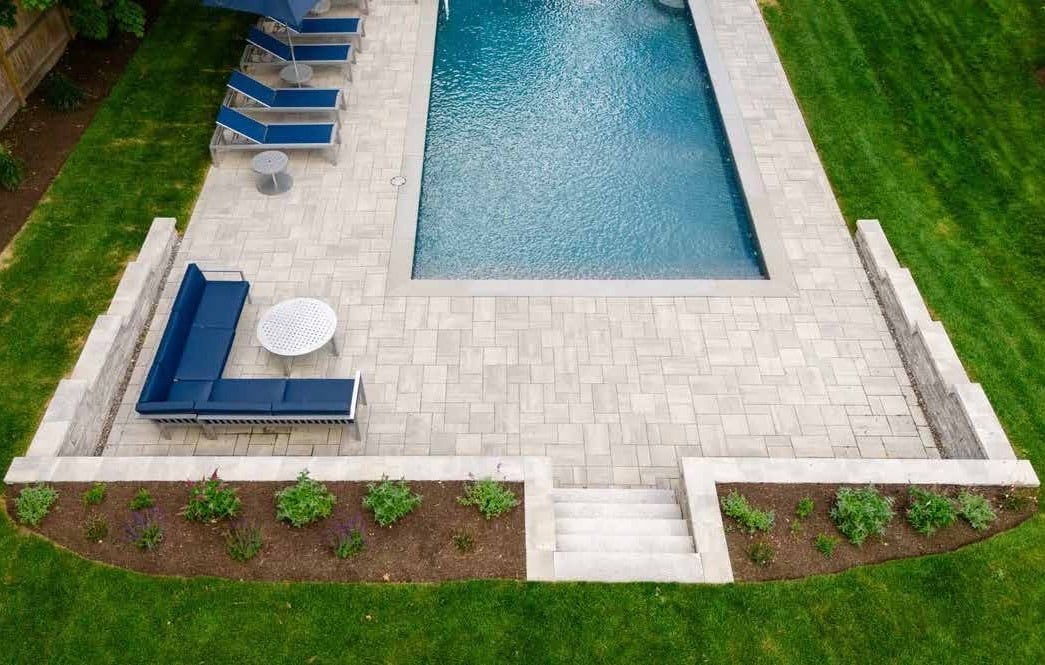
Most landscaping companies are either too small to handle complex stonework or too large to care about a single patio. At GreenOp, we found our home in the middle. We specialize in high-impact projects — from custom pavers and retaining walls to outdoor kitchens — for homeowners who value precision over project size.

SEE OUR WORK
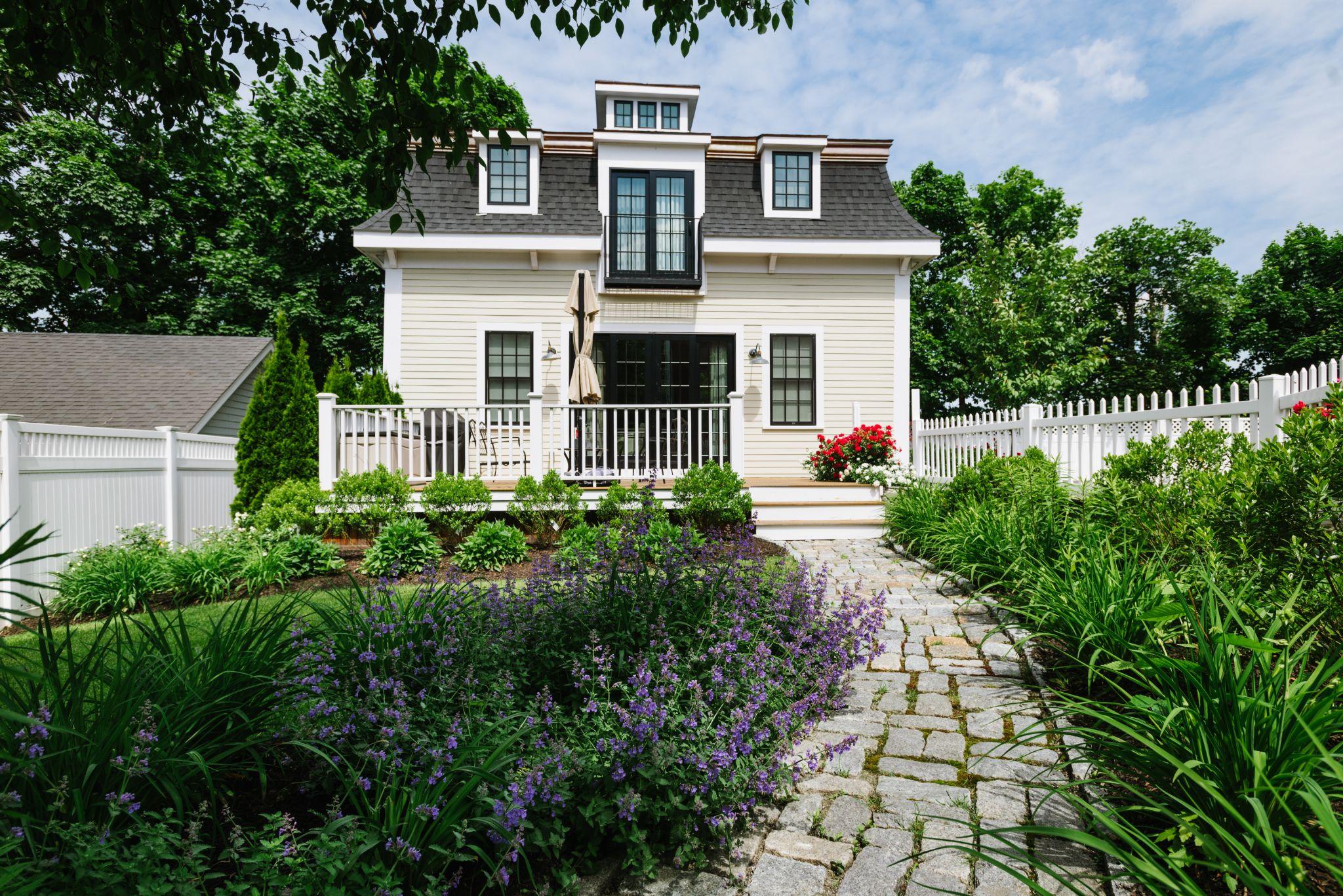
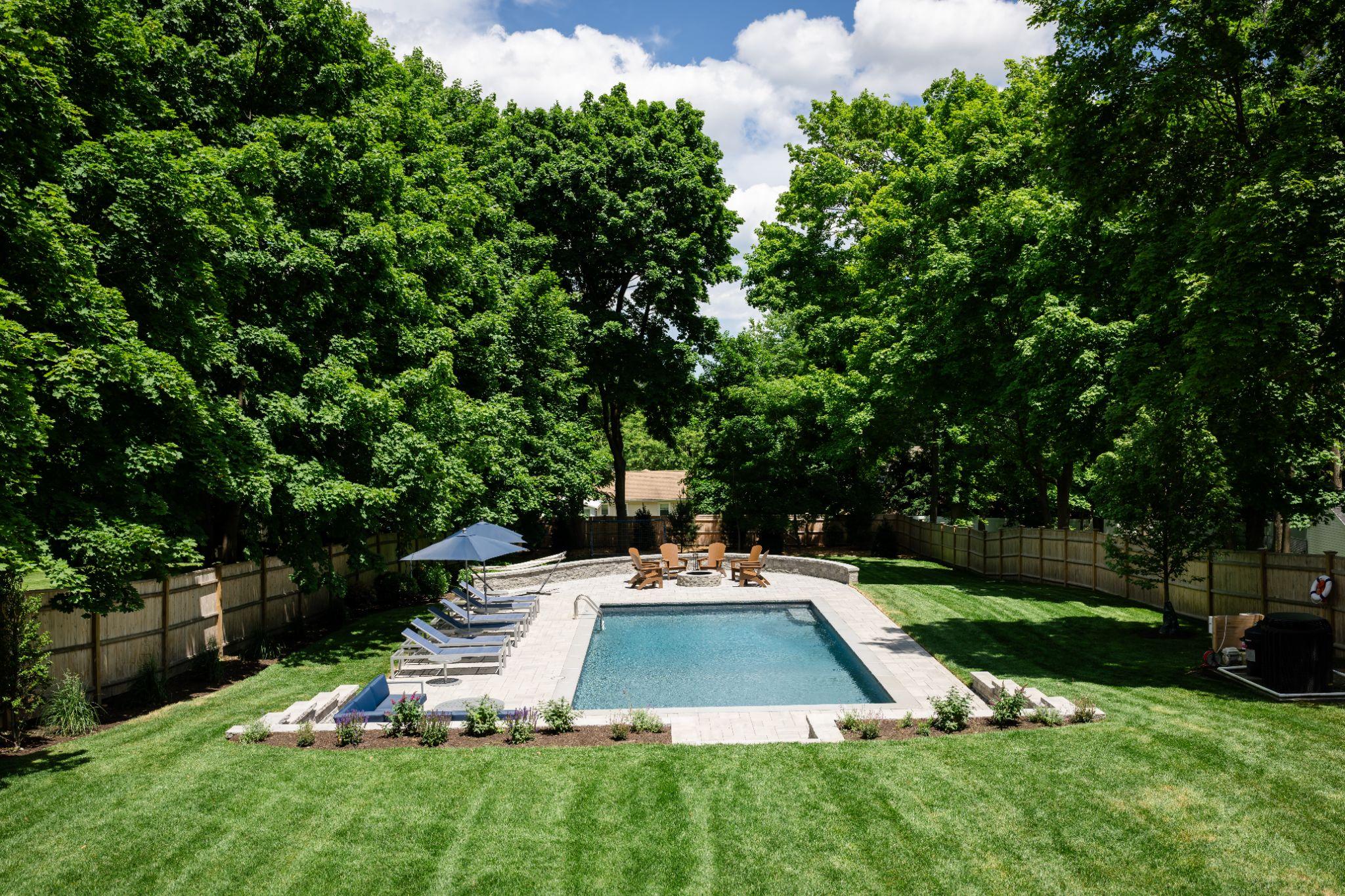
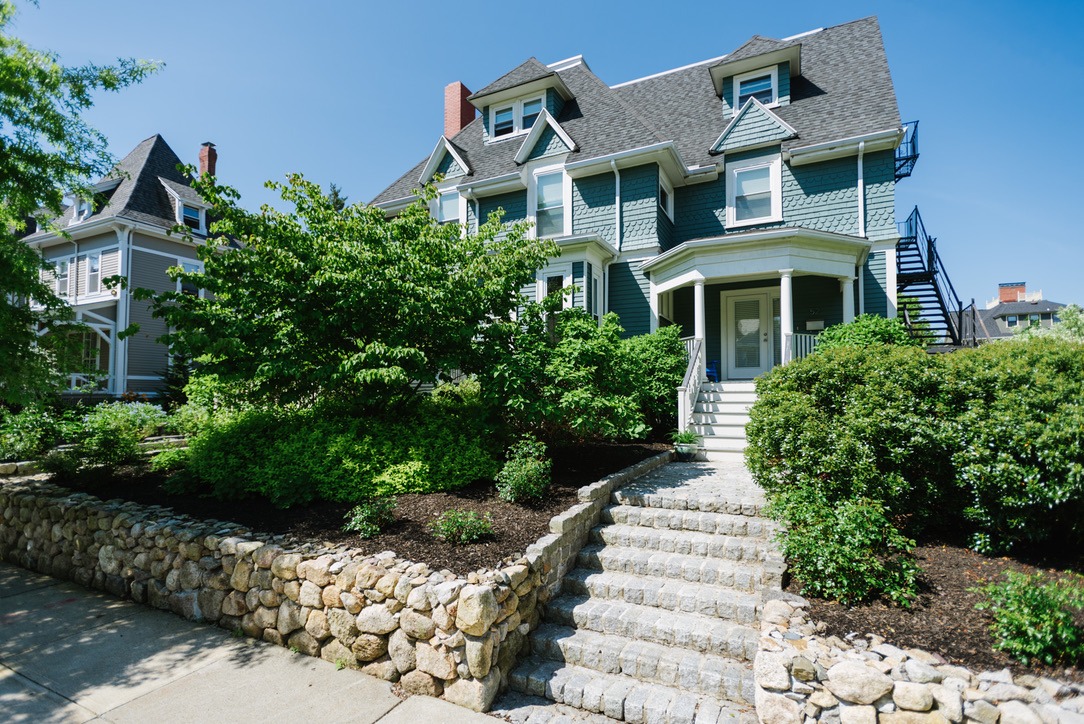
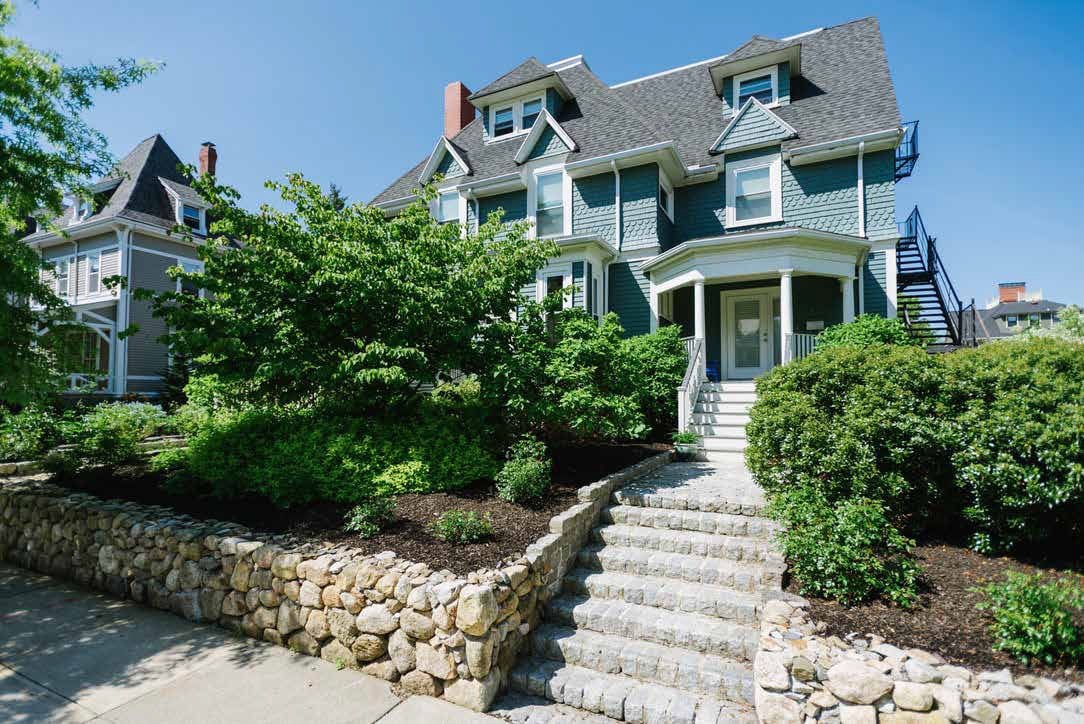
Take a look at some of the outdoor spaces we’ve transformed across Milton and the Greater Boston area — from custom patios and retaining walls to complete outdoor living environments. Every project reflects the same goal: thoughtful design, expert craftsmanship, and landscapes built to last.

GET AN INSTANT ESTIMATE
Planning a patio, retaining wall, or outdoor living space?
Our quick estimate tool gives you a rough cost range to help you
understand what your project might look like — before
committing to a consultation.

OUR SERVICES
Your landscape should enhance your home or business without adding to your to-do list. Our services make that possible for you.
CLIENTS LOVE WORKING WITH GREENOP
OUR PROCESS
A seamlessly managed experience. Your landscape should reflect your vision without added stress. Our process keeps things simple:

Collaborate with our team to craft a plan that aligns with your property’s aesthetic, maintenance preferences, and unique characteristics, ensuring a functional and beautiful design.

Our experienced crew works efficiently, keeping disruptions minimal while ensuring quality that enhances your outdoor space with a professional and refined result.

We ensure healthy plants, pristine hardscapes, and proactive solutions that keep your property looking its best season after season, all with minimal effort on your part.

Our team is available for questions or additional services, providing expert support and a commitment to maintaining your property’s beauty long after the initial project is complete.



When it comes to landscaping a yard, many people immediately think of lush, green grass. However, there are various reasons why you might not want or be able to grow grass in your yard. Perhaps you live in an area with poor soil quality or water shortage, or maybe you’re just looking for something low-maintenance and unique. Whatever the reason, here are some alternative methods to landscape your yard without the need for grass.
One way to fill your yard without grass is by using ground covers. These plants spread horizontally and form a dense layer of foliage, providing the same visual effect as grass without the need for mowing. * Creeping Thyme: This plant forms a beautiful carpet of pink flowers when it blooms and can tolerate foot traffic. * Sedum: These come in various colors and can grow even in poor soil.
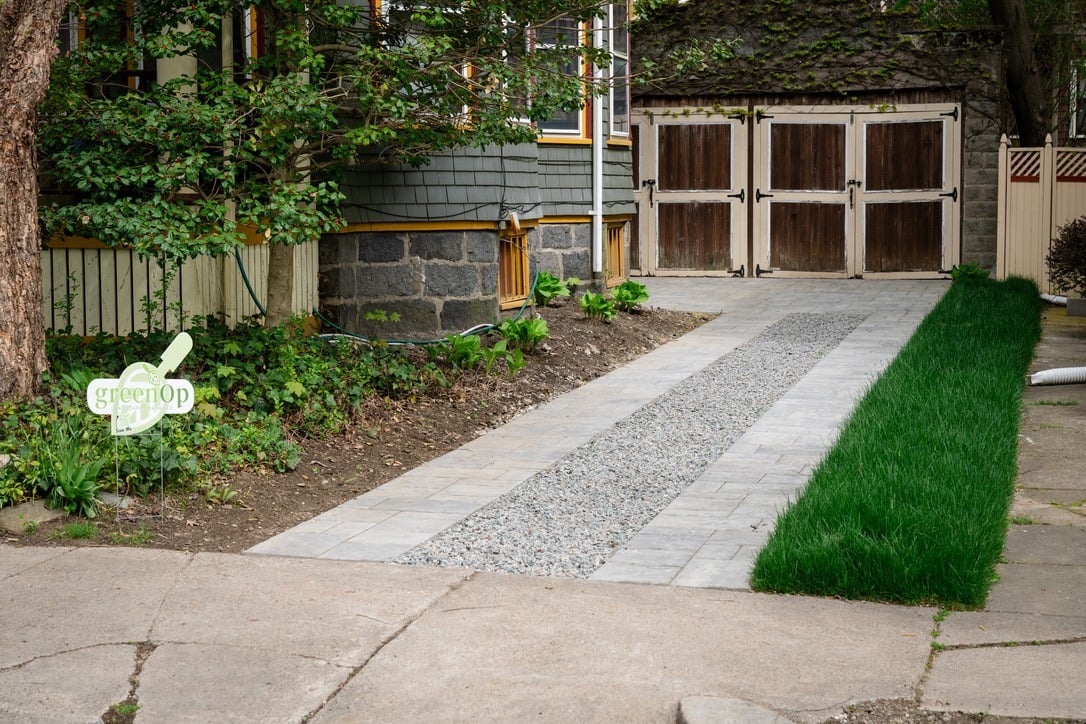
Gravel offers an excellent option for those looking for a minimalist or modern design. It requires no watering and minimal maintenance. You can use different types to create patterns and texture.
Paved patios are perfect for creating outdoor living spaces. They require no maintenance apart from occasional cleaning. You can select from various materials such as concrete slabs, natural stone tiles or bricks.
Using plant beds is another way you can add color and texture to your yard without needing any grass at all. * Perennial Flowers: Perennials are excellent because they return year after year, providing consistent color and beauty. * Shrubs: Shrubs can offer both greenery and blooms while also adding structure.
Xeriscaping involves using drought-resistant plants and landscaping techniques that reduce or eliminate the need for irrigation. This method is particularly suitable for areas with water scarcity.
| Xeriscaping Plants | Features |
| Agave | These are rosette-forming plants that are highly drought-tolerant. |
| Lavender | Known for its beautiful scent, this plant is also very drought-resistant. |
Finally, implementing a mixture of these methods can lead to a unique, creative, and beautiful yard without the need for grass. Remember that successful landscaping involves planning and understanding your landscape’s specific needs and conditions. This way, you’ll be able to select the best plants and materials that will thrive in your yard, ensuring a stunning result.
Embarking on a landscaping project can feel like a daunting task, especially if it’s your first time. However, with proper planning and organization, it can be an enriching and rewarding experience. Here’s a step-by-step guide to help you start your landscaping journey smoothly.
Before you pull out your tools and get your hands dirty, take some time to assess your yard. Consider factors such as the size of your yard, its topography, existing plants and trees, soil type, sunlight exposure and climate. Understanding these factors will help tailor a plan that fits the unique needs of your space.
What do you want to achieve with this landscape project? Are you aiming for aesthetic appeal, functionality, or both? Determining your goals early on will guide the direction of design decisions down the line.
Remember that specific goals lead to more successful outcomes. For instance, ‘creating an area for outdoor entertaining’ is more actionable than ‘improving my backyard.’
Look for landscaping ideas in magazines or online platforms such as Pinterest or Instagram. This will provide inspiration for possible designs and plant choices. Take notes of what appeals to you – color schemes, garden layouts, plant combinations or garden structures like pergolas or trellises.
Based on your assessment, goals and inspirations draw up a rough sketch of how you want your landscaped yard to look. You can either do this yourself or hire a professional landscape designer if budget allows.
Select plants that will thrive in your specific yard conditions. Consider factors such as your climate zone, soil type, and sunlight exposure. Also think about maintenance – certain plants require more care than others.
After finalizing your plan, the next crucial step is to prepare your yard for landscaping. This involves tasks like clearing out debris, trimming existing trees or shrubs, testing and prepping soil, and marking out areas where different elements of your design will go.
Now it’s time to bring your design to life. Start with hardscaping features before moving on to planting. This way you avoid damaging plants during the construction process.
Remember that patience is key in landscaping. It might take a few seasons before everything comes together as planned. Meanwhile, enjoy the process and take pride in seeing your yard transform slowly but surely into a beautiful landscape.
Landscaping a shaded yard can be a unique challenge. Not all plants thrive in low light conditions, and the lack of sunlight can stunt growth or lead to disease in certain species. However, with the right planning, strategic placement, and plant selection, you can create an attractive landscape that thrives in the shade.
When landscaping a shaded area, incorporating texture creates visual interest. Consider using large-leaved Hostas or ferns to add dimension to your yard. Combining different types of foliage like shiny leaves next to matte ones also enhances aesthetic appeal.
Creating layers with different plant heights adds depth to your shady landscape. Assemble a mix ranging from low ground covers like Creeping Jenny (Lysimachia nummularia), medium-sized perennials like Bleeding hearts (Dicentra spectabilis) and taller shrubs like Camellias.
While it’s true that many shade plants tend to have more subdued colors, that doesn’t mean you can’t have a colorful shade garden. Some flowers thrive in the shade and can add pops of color, but don’t forget about foliage. Some plants have vibrant green, red, yellow or even multicolored leaves.
Shade gardens often struggle with dry soil, as the canopy of trees or structures causing the shade may prevent rainfall from reaching the ground below. A thick layer of organic mulch not only helps retain moisture but also adds nutrients to the soil as it decomposes.
Consider adding a focal point such as a decorative statue, bird bath, or bench to your shaded landscape. This gives the eye a place to rest and adds interest to your garden.
Just because an area is naturally shaded doesn’t mean you can’t play with light. Consider adding landscape lighting to highlight your garden’s best features.
Landscaping a shaded yard may come with its unique set of challenges but with effective strategies and useful tips in hand, one can create a lush, thriving garden that is every bit as beautiful as its sun-drenched counterpart.
Landscaping a yard with poor soil conditions can be an uphill task. However, there are innovative and effective ways to navigate this challenge. This article aims to provide some constructive techniques that you can use.
The first step is understanding the nature of your soil. It’s essential to have your soil tested to determine its type and pH level. This will help you know what plants are most suitable for your yard and the amendments necessary for improving the soil structure and fertility.
Raised beds are another great technique to overcome poor soil conditions. They allow you to control the soil environment entirely, as you fill them with a suitable mix of topsoil, compost, and other amendments of your choice.
Finally, if your soil is very challenging or if you don’t have the means to improve it, consider soil-less gardening techniques like hydroponics or aquaponics. These methods involve growing plants in nutrient solutions instead of soil.
In essence, though landscaping a yard with poor soil conditions can be challenging, it’s by no means impossible. With a bit of patience, understanding and smart techniques, you can transform even the poorest soils into a thriving garden landscape.
Xeriscaping is an ecological and sustainable landscaping approach that focuses on reducing the need for irrigation. It’s especially beneficial in drought-prone areas or regions where water conservation is crucial. The beauty of xeriscaping is its ability to balance utility and aesthetics, creating visually pleasing landscapes that are sustainable and eco-friendly.
Remember that a successful xeriscape balances beauty with practicality. It allows you to create a stunning landscape that’s able to withstand harsh drought conditions, all while saving water and promoting biodiversity.

ABOUT GREENOP
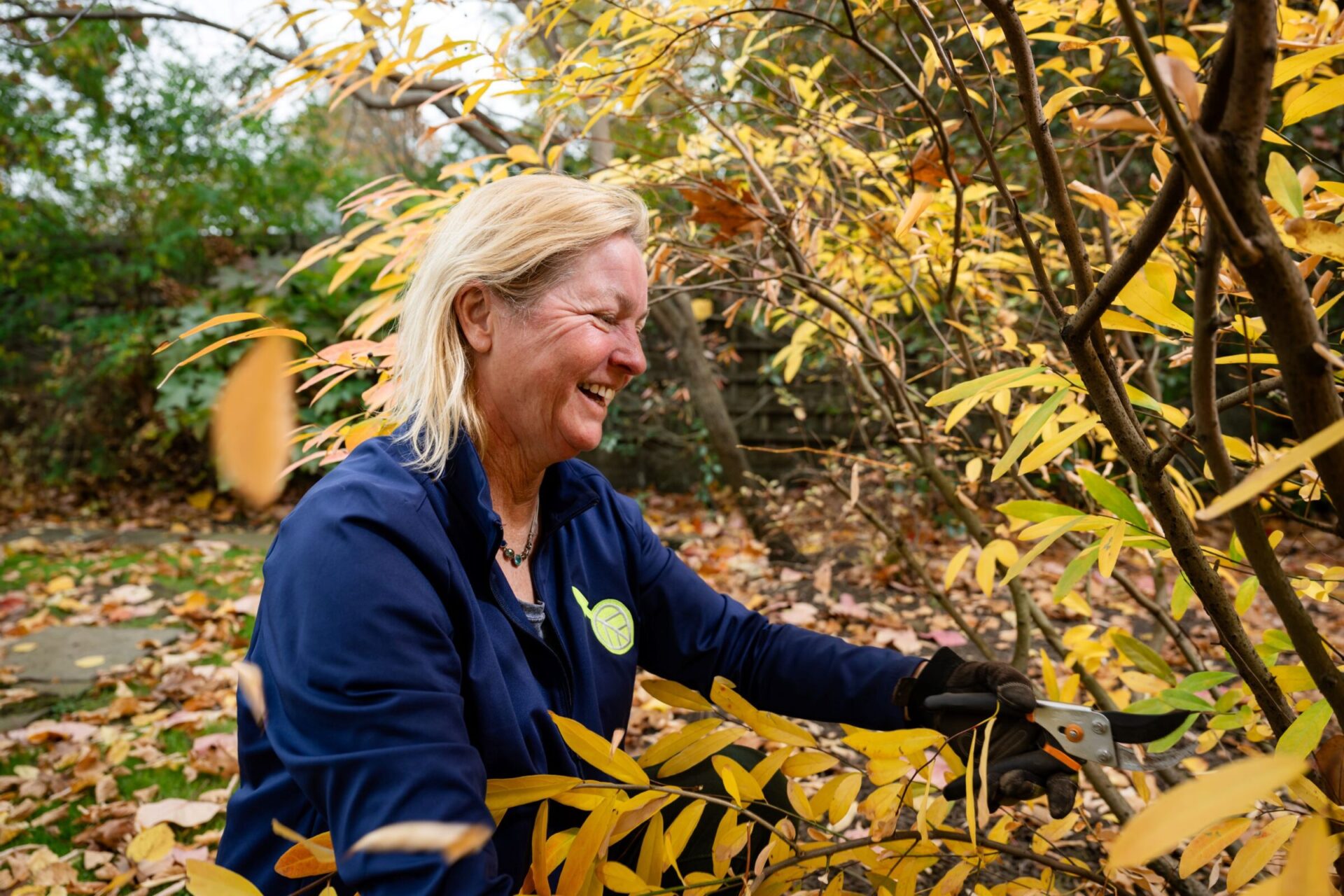
GreenOp Landscape is a professional, full-service landscaping company dedicated to making your property look and function at its best. With a focus on thoughtful design, efficient installation, and year-round maintenance, you get high-quality results without the hassle.

ABOUT GREENOP
Explore examples of landscapes we’ve designed and installed for homeowners throughout the region.

LET’S GET STARTED
Never worry about landscape maintenance again. Contact GreenOp Landscape today.